Walnut
Walnut trees belong to the genus Juglans, which comprises approximately 20 species of deciduous trees within the family Juglandaceae. These trees are native…
What are the main species of walnut trees, and where are they commonly found?
Walnut trees belong to the genus Juglans, which comprises approximately 20 species of deciduous trees within the family Juglandaceae. These trees are native to regions across North and South America, southern Europe, Asia, and the West Indies.1
The most prominent species include:
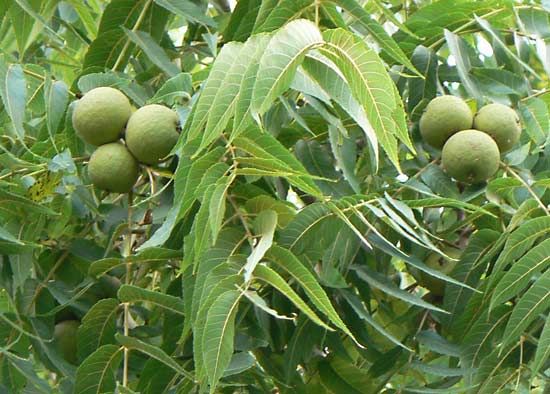
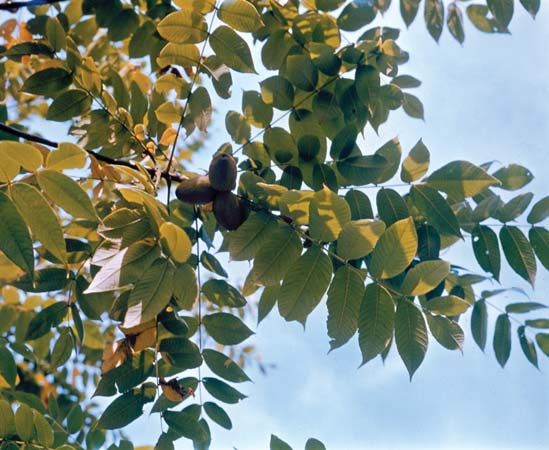
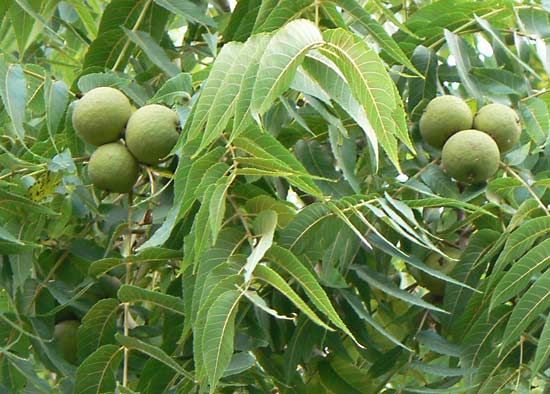
- Black walnut (Juglans nigra): Native to eastern North America, this tall tree is highly valued for its decorative, dark, fine-grained wood used in furniture and gunstocks. It is also cultivated for the dye found in its fruit husks.12
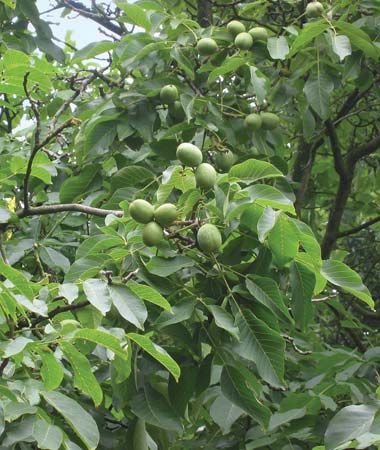
- English walnut (J. regia): Also known as the Persian walnut, this species is native to Iran. It is extensively cultivated for its high-quality edible seeds, which are sold commercially as walnuts.13
- Butternut (J. cinerea): This species is also native to eastern North America and produces an edible, nutlike seed.1
Generally, the Juglandaceae family is distributed throughout the north temperate zone, extending through Central America and the Andes Mountains to Argentina, as well as across temperate Asia to Java and New Guinea.4
What are the nutritional benefits of walnuts, and how are they commonly used in cuisine?
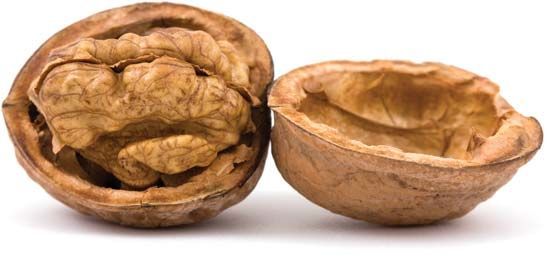
Walnuts are considered nutritional powerhouses, offering significant health benefits due to their dense profile of essential nutrients. They are an excellent source of alpha-linolenic acid, a type of omega-3 fatty acid, and provide good amounts of copper, magnesium, and phosphorous. Medical studies have indicated that regular consumption of walnuts can help lower cholesterol levels and improve overall cardiovascular function.6
In terms of culinary use, walnuts are highly versatile. They can be enjoyed raw as a snack or incorporated into a wide variety of dishes, including:
- Baked goods: Added to breads, muffins, and cakes for texture and flavor.
- Salads: Used to provide a crunchy contrast to fresh greens.
- Stir-fries: Mixed into savory dishes for added richness.
- General cooking: Included in various recipes to enhance both nutritional value and taste.6
What are the differences between English walnuts and black walnuts?
English walnuts (Juglans regia) and black walnuts (Juglans nigra) are both valuable members of the Juglandaceae family, but they differ in their origins and physical characteristics.
- Origin: The English walnut is native to Iran, whereas the black walnut is native to eastern North America.21
- Leaf Structure: English walnut trees feature leaflets with smooth margins and round tips, with the terminal leaflet being the largest. In contrast, native North American walnuts, such as the black walnut, have leaflets that are largest toward the center of the leaf and possess toothed margins.1
- Commercial Use: While both species are prized for their dark, fine-grained wood used in furniture, paneling, and gunstocks, the English walnut is the primary species cultivated commercially for its edible seeds.21
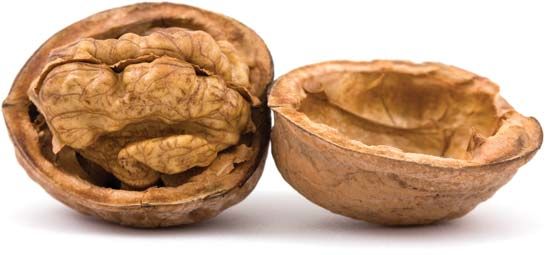
Both trees produce fruit that is botanically classified as a drupe rather than a true nut, consisting of an edible seed enclosed in a woody pit within a thick husk.21
How is walnut wood used in furniture making and other industries?
Walnut wood is highly valued across several industries for its dark, fine-grained, and decorative qualities. Both the black walnut and the English walnut are prized for their timber, which is commonly utilized in the following ways:
- Furniture and Cabinetry: The wood is a premier choice for high-quality household furniture, cabinetry, and fine woodwork. The wood of the English walnut, sometimes referred to as Circassian walnut, is particularly noted for its use in veneers and intricate cabinetwork due to its attractive, irregularly veined appearance.382
- Interior Design: Beyond furniture, the wood is frequently used for decorative paneling in homes and commercial spaces.38
- Specialized Manufacturing: Due to its durability and aesthetic appeal, walnut wood is a traditional material for gunstocks.38
In addition to the wood itself, the shells of the black walnut are repurposed for various industrial applications. When finely ground into flour, these shells are used in plastic molding powders, as glue extenders, and as an abrasive for “sand-blasting” jet engines. They are also utilized for polishing and deburring metal parts, cleaning foundry molds, and improving tire traction.9
Sources
- Walnut — Encyclopædia Britannica
- English walnut — Encyclopædia Britannica
- black walnut — Encyclopædia Britannica
- Fagales - Juglandaceae — Encyclopædia Britannica
- black walnut — Merriam-Webster
- pine nut — Encyclopædia Britannica
- Nutritional Powerhouses: 8 Foods That Pack a Nutritional Punch — Encyclopædia Britannica
- Fruit farming - Waste materials, other uses — Encyclopædia Britannica
- Circassian walnut — Merriam-Webster
Published on · 3 min read