Pilot Whale
The two main species of pilot whales are the short-finned pilot whale (Globicephala macrorhynchus) and the long-finned pilot whale (G. melas).

What are the two main species of pilot whales, and how do they differ?
The two main species of pilot whales are the short-finned pilot whale (Globicephala macrorhynchus) and the long-finned pilot whale (G. melas).1
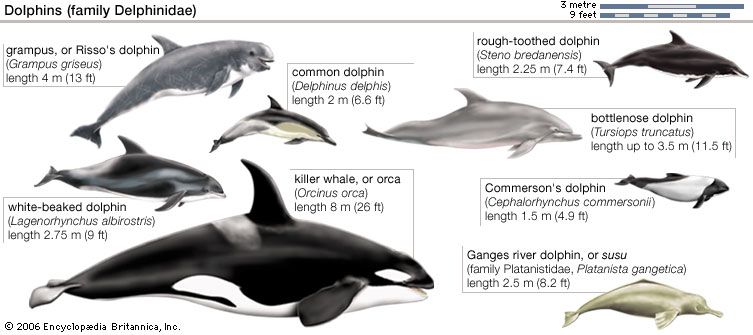
Both species belong to the dolphin family and share a similar appearance, characterized by a round, bulging forehead, a short beaklike snout, and a black body, sometimes featuring a pale, anchor-shaped mark on the throat and chest.1
The primary differences between the two include:
- Flipper Length: The most pronounced physical difference is the length of their flippers.1
- Habitat: While both species inhabit oceans worldwide—excluding the Arctic—long-finned pilot whales are notably absent from tropical waters.1
- Lifespan: Female short-finned pilot whales live longer on average (about 63 years) compared to female long-finned pilot whales (about 50 years). Males of both species have a similar average lifespan of 46 years.1
- Reproduction: Female short-finned pilot whales experience menopause, a trait not noted for the long-finned species.1

How long do pilot whales typically live, and what is their reproductive cycle like?
Pilot whales exhibit distinct lifespans based on sex and species. On average, males of both the short-finned and long-finned species live to be 46 years old. Females generally live longer: the average lifespan for a female long-finned pilot whale is about 50 years, while female short-finned pilot whales live approximately 63 years.1
Regarding their reproductive cycle, pilot whales reach sexual maturity between 6 and 10 years of age. While most female cetaceans remain capable of reproduction throughout their lives, female short-finned pilot whales are a notable exception. They experience menopause, a biological adaptation where ovulation ceases, leaving them in a post-reproductive state for a significant portion of their lives. Scientists speculate that this trait may have evolved to allow older females to assist in the rearing of younger members of the group.21

What are the physical characteristics that distinguish pilot whales from other cetaceans?
Pilot whales are members of the dolphin family, Delphinidae, and possess several distinct physical characteristics that set them apart from other toothed whales:
- Head Shape: They are easily recognized by a prominent, round, bulging forehead, often referred to as a melon, which is more pronounced than in many other dolphin species.13
- Snout: Unlike many dolphins that have a long, distinct rostrum (beak), pilot whales have a very short, beaklike snout.13
- Flippers: They possess slender, pointed flippers. The length of these flippers is a key diagnostic feature, particularly when distinguishing between the two species: the long-finned pilot whale and the short-finned pilot whale.1
- Coloration: They are generally black or dark gray in color. Many individuals also display a unique, pale, anchor-shaped marking on their throat and chest.13
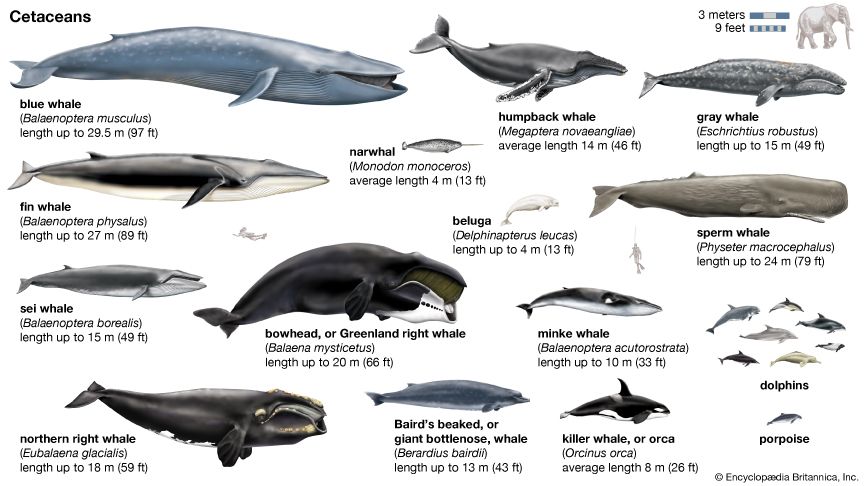
- Size: They are medium-sized cetaceans, typically reaching lengths of 4 to 6 meters (13 to 20 feet), with males generally growing larger than females.13
Where are pilot whales commonly found, and do they migrate?
Pilot whales are widely distributed across the globe, inhabiting all of the world’s oceans with the notable exception of the Arctic. While their range is extensive, there is a specific distinction between the two species regarding their preferred water temperatures: long-finned pilot whales are generally absent from tropical waters, whereas short-finned pilot whales occupy warmer regions.1
Regarding migration, the provided information does not specify distinct migratory patterns for these animals. Instead, they are described as highly gregarious creatures that live in large groups, ranging from dozens to thousands of individuals, and are primarily focused on feeding on squid within their respective oceanic habitats.1
Sources
- pilot whale — Encyclopædia Britannica
- cetacean - Age and growth — Encyclopædia Britannica
- pilot whale — Merriam-Webster
Published on · 3 min read