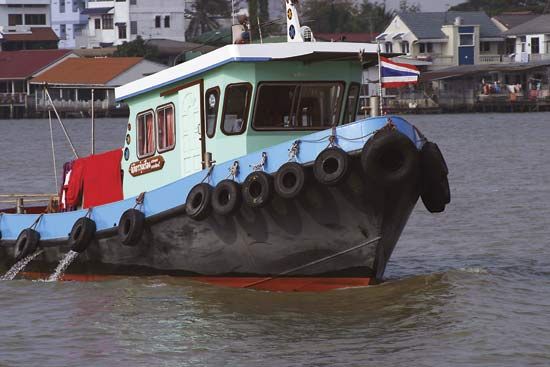
Ping River
The Ping River is a major river located in northwestern Thailand. It originates in the Daen Lao Range along the border between Thailand and Myanmar and flows…
What is Ping River?
The Ping River is a major river located in northwestern Thailand. It originates in the Daen Lao Range along the border between Thailand and Myanmar and flows in a south-southeasterly direction for approximately 370 miles (590 km).1
As one of the primary headstreams of the Chao Phraya River, the Ping joins with the Nan and Yom rivers at Ban Pak Nam Pho (near Nakhon Sawan) to form the Chao Phraya. The Wang River serves as the Ping’s main tributary.12
The river is significant for both its urban centers and its infrastructure. Notable cities situated along its banks include Chiang Mai, Tak, and Kamphaeng Phet. Additionally, a major dam located north of Tak is utilized for the generation of hydroelectric power.1
What are the other main headstreams of the Chao Phraya River?
The Chao Phraya River is formed by four primary headstreams that originate in the mountains of northern Thailand: the Ping, Wang, Yom, and Nan rivers.4
While the Ping and the Nan are the two major rivers that officially combine at Nakhon Sawan to form the main course of the Chao Phraya, the Wang and Yom serve as critical components of the system:24
- Nan River: A 390-mile-long river that rises in the Luang Phra Bang Range. It receives the Yom River before joining the Ping.2
- Yom River: A tributary that flows into the Nan River near the town of Chum Saeng.2
- Wang River: The primary tributary of the Ping River, which eventually contributes its waters to the Chao Phraya confluence.41
How does the Chao Phraya River support agriculture in Thailand?
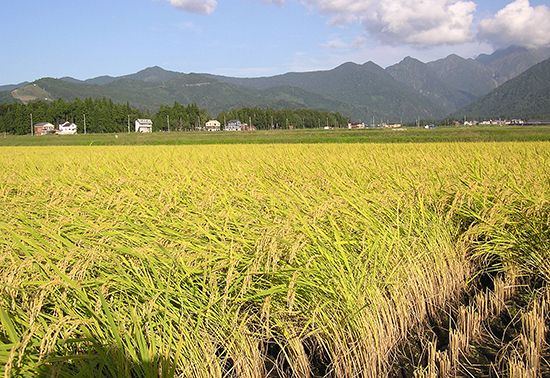
The Chao Phraya River is the lifeblood of Thai agriculture, particularly for the cultivation of rice, which serves as the country’s primary staple crop and a major export.25
The river supports farming through several key mechanisms:
- Alluvial Deposition: During the wet season, the river overflows its banks, flooding the flat delta plain. This annual flooding deposits rich alluvium, creating highly fertile soil that is essential for productive harvests.267
- Irrigation Infrastructure: The river system is the foundation for numerous major irrigation projects. Dams, such as the one located at Chai Nat, help manage water flow, providing necessary irrigation for areas on the extreme edges of the plain that do not receive natural flooding.26
- Water Access: The river and its extensive network of canals (khlongs) provide a consistent source of water for agricultural use, drainage, and fishing.2
While the Chao Phraya basin remains a primary commercial rice-producing region, the river’s role in managing water resources has been vital for expanding the land available for cultivation and supporting the country’s broader agricultural output.65
What role do dams play in managing Thailand’s river systems?
Dams play a multifaceted role in managing Thailand’s river systems, serving as critical infrastructure for economic and agricultural development. Primarily constructed between the 1950s and 1980s, these structures have been instrumental in three key areas:
- Flood Control: By regulating water flow, dams help mitigate the risks associated with unpredictable flooding, which has historically caused significant damage to agricultural land and communities.58
- Irrigation Expansion: Dams allow for the storage of water during the dry season, enabling farmers to cultivate second or third crops. This infrastructure has been vital for extending irrigation to higher ground on the edges of plains that do not benefit from natural seasonal inundation.582
- Hydroelectric Power: Many of these projects, such as the multipurpose dam near Nam Phong, are designed to generate hydroelectric power, providing a sustainable energy source for the country.58
While these dams provide essential benefits, their construction has also raised environmental and social concerns, including the displacement of populations and the disruption of local ecosystems. Consequently, the management of these river systems remains a balance between meeting human economic needs and addressing the environmental impacts of large-scale engineering.98
Sources
- Ping River — Encyclopædia Britannica
- Chao Phraya River — Encyclopædia Britannica
- Ping — Merriam-Webster
- Nan River — Encyclopædia Britannica
- Thailand - Drainage of Thailand — Encyclopædia Britannica
- Thailand - Agriculture, forestry, and fishing — Encyclopædia Britannica
- Thailand - Soils — Encyclopædia Britannica
- Mekong River - Irrigation and flood control — Encyclopædia Britannica
- dam - Rise of environmental and economic concerns — Encyclopædia Britannica
Published on · 3 min read