Pink
Pink is a versatile term that refers to both a range of colors and a specific group of plants. As a color, it is defined as any hue ranging from bluish red…
What is pink?
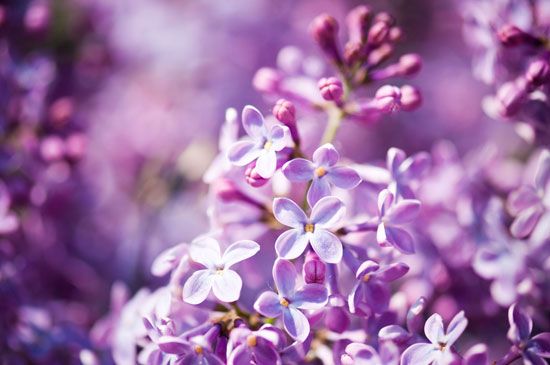
Pink is a versatile term that refers to both a range of colors and a specific group of plants. As a color, it is defined as any hue ranging from bluish red to red, characterized by medium to high lightness and low to moderate saturation. While we now associate the word primarily with this light-red color, it was historically used to describe a greenish-yellow hue.12
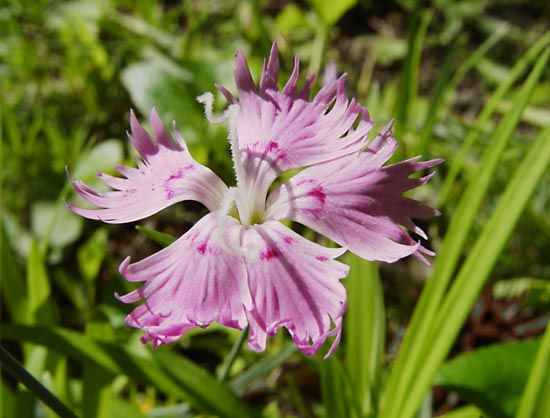
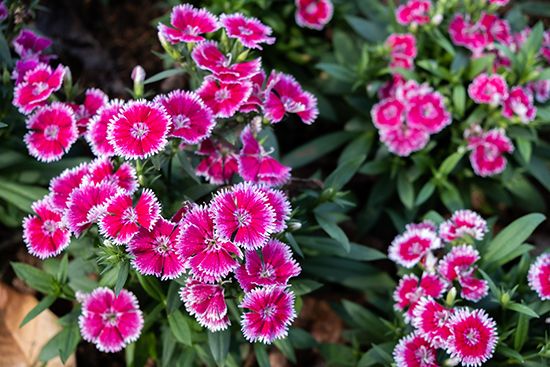
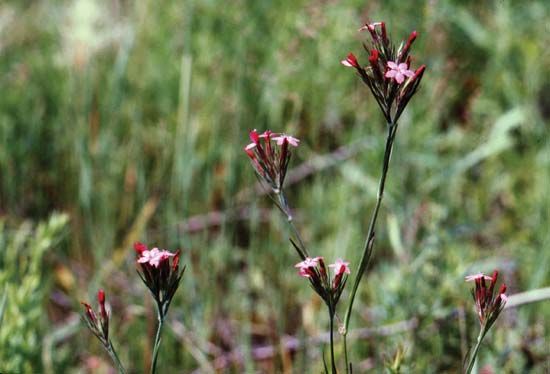
The name itself originates from the Dianthus genus of flowers, which includes species with petals ranging from white to deep red. Etymologists suggest the flower’s name may have been inspired by the jagged edges of its petals, which resemble ornamental perforations, or perhaps by the appearance of its center.23
Beyond its literal color definition, “pink” is used in various contexts:
- Politics: It can describe someone holding moderately radical or socialistic views.4
- Idioms: Phrases like “tickled pink” describe being emotionally moved or excited, while “in the pink” refers to the highest degree or best possible condition.43
How does the color pink appear in nature beyond flowers?
Beyond the botanical world, the color pink appears in nature through various biological and geological processes:
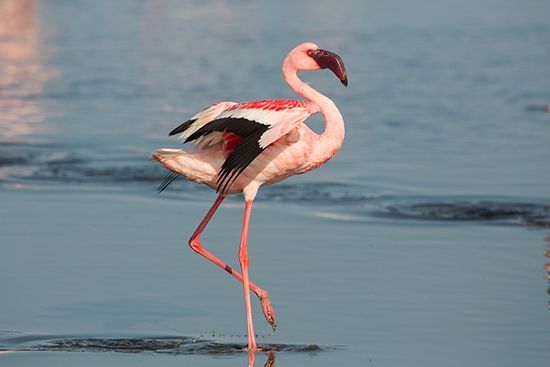
- Animals: The vibrant pink plumage of flamingos is not hereditary but is instead derived from their diet. These birds consume algae, brine fly larvae, and brine shrimp rich in carotenoids. Enzymes in their digestive systems break down these pigments, which are then deposited into their feathers and skin, resulting in their iconic coloration.7
- Minerals and Gemstones: Certain minerals exhibit a consistent pink hue as a diagnostic property. For example, rhodonite is characteristically pink. Additionally, some minerals like tourmaline can display distinct color zonation, shifting from colorless to pink within a single crystal. Other notable pink-hued stones include rose quartz and morganite.89
While atmospheric phenomena like sunsets can create reddish or orange hues in the sky through Rayleigh scattering, these are distinct from the stable pigments found in biological organisms or mineral structures.10
Why did the color pink change its meaning over time?
The association of pink with gender has shifted significantly over time, contradicting the modern assumption that it has always been a “girly” color. In the mid-19th century, pastel colors became a popular fashion for infants, but they were not marketed by sex; both boys and girls wore various pastels, including pink and blue.12
By the early 20th century, some retailers began suggesting gender-appropriate colors. A 1918 trade publication, Earnshaw’s Infants’ Department, famously argued that pink was more suitable for boys because it was a “decided and stronger color,” while blue was considered “delicate and dainty” and thus better for girls.1213
The modern inversion—pink for girls and blue for boys—did not become standard until the 1940s. This trend was further solidified by the 1980s, influenced by the advent of prenatal testing, which allowed parents to emphasize a child’s sex before birth, and advancements in laundry technology that made maintaining colorful clothing easier. Interestingly, the word “pink” itself originally referred to a greenish-yellow hue before being applied to the Dianthus flower and its associated colors.121314
How do artists mix pigments to create different shades of pink?
Sorry, the Britannica knowledge base does not contain information regarding the specific techniques artists use to mix pigments to create different shades of pink.
Sources
- pink — Merriam-Webster
- Pink: The Color that Will Change Your Life | Pink — Merriam-Webster
- baby pink — Merriam-Webster
- pink — Merriam-Webster
- surface coating - Colour pigments — Encyclopædia Britannica
- pink — Merriam-Webster
- Why Are Flamingos Pink? — Encyclopædia Britannica
- pink — Encyclopædia Britannica
- mineral - Colour — Encyclopædia Britannica
- Why Are Clouds White? — Encyclopædia Britannica
- list of gemstones — Encyclopædia Britannica
- Has Pink Always Been a “Girly” Color? — Encyclopædia Britannica
- pink — Merriam-Webster
- Pink: The Color that Will Change Your Life | Baby Pink — Merriam-Webster
- Pink: The Color that Will Change Your Life | Hot Pink — Merriam-Webster
Published on · 3 min read