Pistacia
The genus Pistacia consists of nine species of aromatic trees and shrubs primarily native to Eurasia. While the majority of species are found in this region…
In what regions of the world are Pistacia plants primarily found?
The genus Pistacia consists of nine species of aromatic trees and shrubs primarily native to Eurasia. While the majority of species are found in this region, the genus also has a presence in other parts of the world:1
- North America: One species is native to the southwestern portion of the continent.1
- Canary Islands: One species is native to this archipelago.1
These plants are generally adapted to warm, semiarid regions and are known for their ability to tolerate poor soils. The most well-known member, the pistachio (Pistacia vera), is believed to be indigenous to Iran and is now widely cultivated in areas ranging from Afghanistan to the Mediterranean and in California.12
Are there any notable medicinal or traditional uses for Pistacia plants?
Several species within the Pistacia genus are recognized for their medicinal properties, primarily due to the aromatic resins they produce.
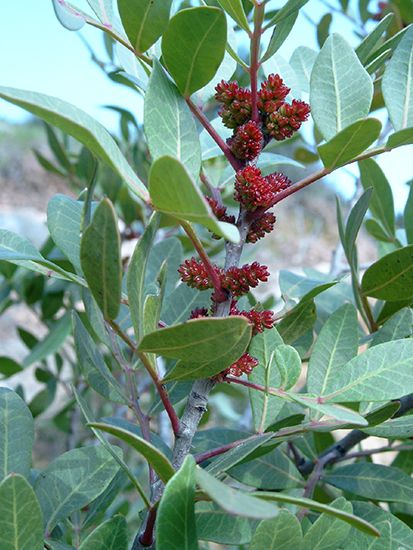
- Mastic Tree (Pistacia lentiscus): This evergreen shrub is the source of mastic, an aromatic resin collected from incisions in the bark. Beyond its industrial applications in varnishes and adhesives, mastic has a long history of use in medicine. It is also utilized as a flavoring agent in various liqueurs.45
- Turpentine Tree (Pistacia terebinthus): Also known as the terebinth, this species produces a sweet-smelling gum that has traditionally been employed for medicinal purposes.5
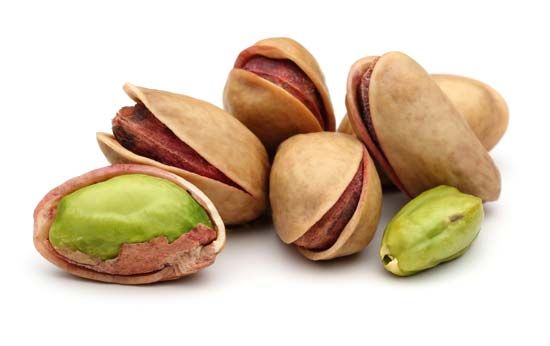
While the genus includes these medicinal varieties, it is also economically significant for the pistachio (Pistacia vera), which is primarily valued as a nutritious food source rich in protein, fat, and vitamin B6.1
What is the taxonomic classification of the Pistacia genus?
The Pistacia genus is classified within the following taxonomic hierarchy:
- Family: Anacardiaceae (the cashew or sumac family)617
- Order: Sapindales7
The genus Pistacia comprises nine species of aromatic trees and shrubs. Members of the family Anacardiaceae are characterized by the presence of resin ducts in their bark and typically feature compound leaves and small, often dioecious flowers that develop into drupes.167
What are the main characteristics of plants in the Pistacia genus?
The Pistacia genus consists of nine species of aromatic trees and shrubs belonging to the Anacardiaceae family. These plants are primarily native to Eurasia, with additional species found in the Canary Islands and southwestern North America.1
Key Botanical Characteristics
- Growth and Foliage: Members can be either deciduous or evergreen. They typically feature compound leaves that are arranged alternately along the stems.1
- Reproduction: The plants are dioecious, meaning individual trees are either male or female. Their flowers are generally small and often lack petals.13
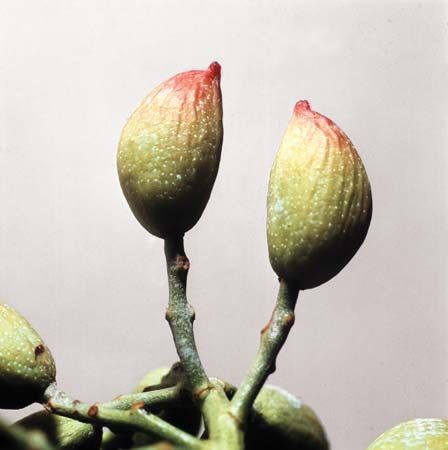
- Fruit: The fruit is characterized as an asymmetrical drupe.1
- Environmental Adaptability: These plants are well-adapted to warm, semiarid regions and are notable for their ability to thrive in poor soils.1
Beyond their botanical traits, the genus is economically and medicinally significant, producing edible pistachio nuts and aromatic resins like mastic.1
Sources
- Pistacia — Encyclopædia Britannica
- pistacia — Merriam-Webster
- Pistachio — Encyclopædia Britannica
- mastic — Encyclopædia Britannica
- mastic tree — Merriam-Webster
- list of plants in the family Anacardiaceae — Encyclopædia Britannica
- Anacardiaceae — Encyclopædia Britannica
Published on · 2 min read