Rauvolfia
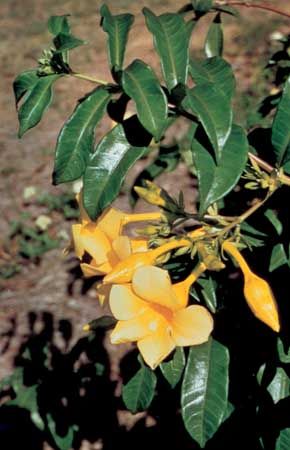
Rauvolfia (also spelled Rauwolfia) is a genus of approximately 110 species of shrubs and trees belonging to the dogbane family (Apocynaceae). These plants…

What is Rauvolfia?
Rauvolfia (also spelled Rauwolfia) is a genus of approximately 110 species of shrubs and trees belonging to the dogbane family (Apocynaceae). These plants are native to tropical regions and are characterized by small, typically white or greenish-white flowers.12
The genus is primarily recognized for its medicinal properties, as the roots of many species contain alkaloids such as reserpine. Historically, the powdered root of the Indian species Rauvolfia serpentina was used to treat a variety of conditions, including snakebites, insomnia, hypertension, and mental health disorders. While reserpine was once widely used as a tranquilizer and for treating schizophrenia, it is now used less frequently for hypertension due to the availability of modern drugs with fewer side effects. Additionally, some species within the genus are cultivated as ornamentals.123
What are alkaloids and how do they function in plants?
Alkaloids are a class of naturally occurring organic compounds characterized by the presence of at least one nitrogen atom, typically within a cyclic (ring) structure. Because these nitrogen atoms can act as bases in acid-base reactions, the name “alkaloid” signifies their “alkali-like” nature.4
While the precise biological role of alkaloids in plants remains a subject of scientific study, several functions have been proposed:
- Chemical Defense: Alkaloids may protect plants from destruction by certain insect species or deter grazing animals due to their often bitter taste.45
- Metabolic Regulation: Some evidence suggests they are not merely waste products of metabolism but play specific roles in plant development. For instance, in some species, alkaloid concentrations increase significantly just before seed formation and decrease once the seed is ripe.4
- Ecological Interaction: It is possible that the specific chemical properties of these compounds help attract certain insects or serve other ecological purposes that are not yet fully understood.5
Who was Leonhard Rauwolf and why is the plant named after him?
Leonhard Rauwolf (also spelled Rauwolff) was a 16th-century German botanist, physician, and traveler who lived until 1596. He is best known for his extensive travels through the Near East, where he collected and documented numerous plant specimens that were previously unknown to European science.3
The plant genus Rauvolfia—which includes shrubs and trees in the dogbane family—was named in his honor to commemorate his significant contributions to the field of botany and his pioneering efforts in documenting medicinal flora.3
How have modern medicines replaced traditional herbal remedies?
Modern medicine has not simply replaced traditional herbal remedies; rather, it has evolved from them through the application of rigorous scientific standards, chemical isolation, and standardized manufacturing. While humans have used plants for medicinal purposes for millennia based on intuition and trial and error, the modern pharmaceutical industry emerged in the 19th century by focusing on the purification of active ingredients.678
The transition from traditional use to modern medicine involves several key advancements:
- Isolation and Purification: Scientists began isolating specific compounds—such as morphine from opium and quinine from cinchona bark—to ensure accurate dosing and eliminate toxic impurities found in raw plant materials.9
- Standardization: Unlike traditional herbalism, which may use variable plant extracts, modern phytotherapy utilizes standardized extracts that contain a consistent, quantified amount of active constituents, often verified through chromatography.6
- Evidence-Based Research: Modern medicines undergo controlled clinical trials to prove safety and efficacy, whereas many traditional remedies lack such rigorous biomedical evaluation.610
- Synthetic Development: Understanding the chemical structure of natural compounds has enabled chemists to synthesize analogs that are safer or more effective than the original plant-derived substances.89
We could dive deeper into how ethnopharmacology continues to use traditional knowledge to identify new drug leads.
Sources
- Rauvolfia — Encyclopædia Britannica
- reserpine — Encyclopædia Britannica
- rauwolfia — Merriam-Webster
- alkaloid — Encyclopædia Britannica
- Steroid - Steroids of insects, fungi, and other organisms — Encyclopædia Britannica
- phytotherapy — Encyclopædia Britannica
- traditional Chinese medicine - Genetics research and drug development — Encyclopædia Britannica
- pharmaceutical industry - Lead compounds from natural products — Encyclopædia Britannica
- pharmaceutical industry - Medicines of ancient civilizations — Encyclopædia Britannica
- pharmaceutical industry - Pharmaceutical industry in the modern era — Encyclopædia Britannica
- pharmaceutical industry — Encyclopædia Britannica
- pharmaceutical industry - Isolation and synthesis of compounds — Encyclopædia Britannica
- nutritional disease - Botanicals and functional foods — Encyclopædia Britannica
- complementary and alternative medicine - Efficacy of CAM — Encyclopædia Britannica
Published on · 3 min read