Pterostyrax
Pterostyrax is a genus comprising approximately four species of deciduous shrubs and trees belonging to the storax family (Styracaceae). Native to East Asia…
What is Pterostyrax?
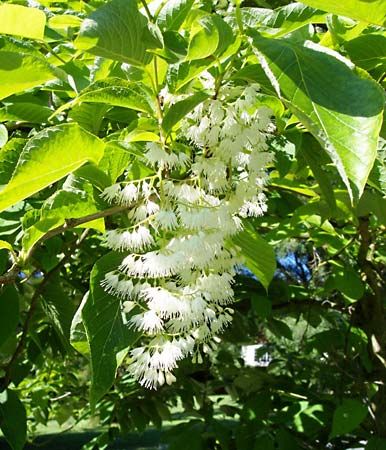
Pterostyrax is a genus comprising approximately four species of deciduous shrubs and trees belonging to the storax family (Styracaceae). Native to East Asia, these plants are recognized for their alternate, stalked leaves and fragrant white flowers that bloom in large clusters.1
Two notable species, P. hispidus and P. corymbosus, are commonly referred to as the epaulette tree and are frequently cultivated as ornamentals in various regions. P. hispidus, which can reach heights of 15 meters (50 feet), is distinguished by its oblong, finely toothed leaves and its unique, 10-ribbed, bristly fruit.1
What other plants belong to the Styracaceae family?
The Styracaceae family, often called the silver bells family, consists of approximately 11 genera and 160 species of evergreen or deciduous trees and shrubs found in warm temperate to tropical regions.2
The largest genus in the family is Styrax, which includes about 120 species such as the snowdrop bush (S. officinalis) and various snowbell trees. Other notable genera within the family include:32
- Halesia: Comprising five species, including the silver bells (H. carolina), which are native to the southeastern United States and prized as ornamentals.42
- Rehderodendron: A genus of nine species concentrated in Southeast Asia and Malesia.2
- Alniphyllum: A group of three species also found in Southeast Asia and Malesia.2
- Parastyrax: A genus noted for producing drupes, unlike the winged fruits characteristic of many other family members.2
These plants are generally recognized by their spirally arranged, toothed leaves, white flowers, and the presence of stellate or scaly hairs.2
Why are some species in this genus called epaulette trees?
Species in the Pterostyrax genus, such as P. hispidus and P. corymbosus, are commonly called epaulette trees due to the appearance of their inflorescences. The name refers to the tree’s hanging clusters of fragrant white flowers, which resemble the decorative shoulder ornaments known as epaulets (or epaulettes) worn on military uniforms.16
The term “epaulet” itself is derived from the French word épaulette, a diminutive of épaule, meaning “shoulder”. While the botanical name Pterostyrax highlights the plant’s physical characteristics—such as its bristly, 10-ribbed fruit—the common name serves as a descriptive metaphor for the way the flower clusters drape from the branches, much like the ornamental fringe of a shoulder piece.716
What conditions are best for growing ornamental trees?
Growing healthy ornamental trees requires careful attention to site selection, soil quality, and ongoing maintenance to ensure the plants remain vigorous and resistant to pests.
Site Selection and Soil Conditions
The success of ornamental trees begins with choosing an appropriate site. For optimal growth, most trees require deep, well-drained soil that allows roots to extend at least three feet (one metre) into the ground. Poor internal drainage or heavy subsoil can lead to weak, shallow root systems that struggle to absorb necessary water and nutrients.8
Before planting, it is essential to assess the soil’s physical condition. In areas with poor soil, you may improve fertility by applying fertilizers containing major elements—such as nitrogen, phosphorus, and potassium—along with necessary trace elements and lime, ideally guided by a soil test. If the site is very infertile, growing leguminous cover crops for a year prior to planting can help enrich the soil.8
Maintenance and Health
Vigorous growth is the best defense against pests and diseases. To maintain tree health:
- Pruning: Regularly remove diseased portions of the tree to reduce the spread of infections like canker or wood rot.9
- Pest Management: Monitor trees for signs of infestation. While natural enemies often keep pest populations in check, foresters and horticulturists may use selective thinning or sanitation harvests to remove susceptible or infested trees, which prevents the buildup of harmful organisms.10
- Environmental Protection: Be mindful of local microclimatic conditions, such as frost hazards, which can damage sensitive species.8
By selecting appropriate species for your specific environment and maintaining vigorous growth through proper management, you can ensure your ornamental trees thrive as functional and aesthetic elements of your landscape.81011
Sources
- Pterostyrax — Encyclopædia Britannica
- storax — Encyclopædia Britannica
- Styracaceae — Merriam-Webster
- silver bells — Encyclopædia Britannica
- Ericales - Styracaceae — Encyclopædia Britannica
- epaulette tree — Merriam-Webster
- epaulet Has French and Latin Roots — Merriam-Webster
- Fruit farming - Site selection — Encyclopædia Britannica
- forestry - Insect and disease control — Encyclopædia Britannica
- Plant disease - Eradication — Encyclopædia Britannica
- horticulture - Trees — Encyclopædia Britannica
Published on · 3 min read