Pit Bull
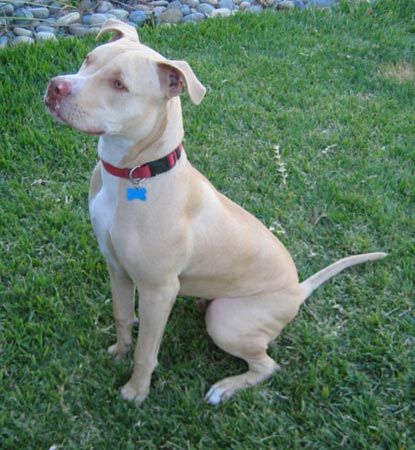
The term "pit bull" does not refer to a single, distinct breed but rather to a category of muscular, short-haired dogs—such as the American Pit Bull Terrier…
How did pit bulls originate and what were they originally bred for?
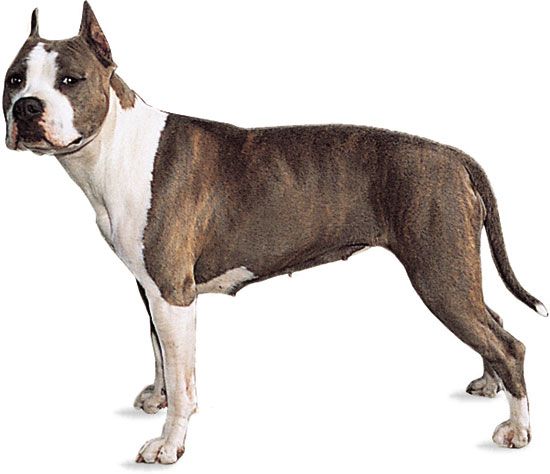
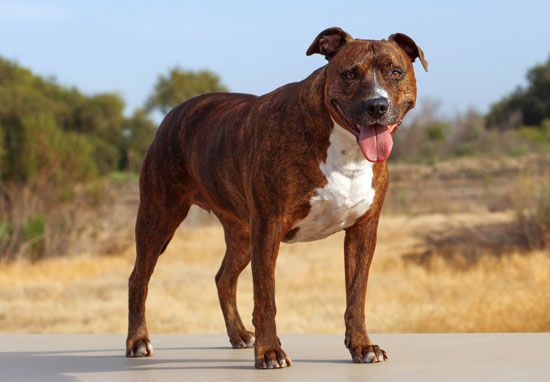
The term “pit bull” does not refer to a single, distinct breed but rather to a category of muscular, short-haired dogs—such as the American Pit Bull Terrier and American Staffordshire Terrier—that share similar physical characteristics.123
These dogs originated in the 19th-century British Isles, developed from Bulldog and terrier ancestry. While they were initially bred for tasks such as hunting and the capturing or restraining of semi-feral livestock, they were also historically utilized for bearbaiting and bullbaiting. Following the outlawing of these blood sports in England in 1835, the popularity of dog-on-dog fighting increased.3452
When these dogs arrived in the United States in 1817, they were further crossbred to create the American Pit Bull. Although they were trained to be tenacious fighters against other dogs, aggression toward humans was not encouraged, as the animals had to be handled by trainers during fights. Unfortunately, the subsequent illegalization of dogfighting led some breeders to mistreat these animals to induce a more vicious temperament, contributing to the breed’s controversial reputation today.234

What are the different breeds that are commonly referred to as ‘pit bulls’?
“Pit bull” is not a single, distinct breed but rather a category or umbrella term used to describe several muscular, short-haired dog breeds that share similar ancestry and physical traits. Because the term is generic, different kennel clubs and organizations classify these dogs in various ways.783
The breeds most commonly referred to as “pit bulls” include:
- American Pit Bull Terrier: Often considered the primary breed associated with the name, it was the first to be recognized by the United Kennel Club in 1898.85
- American Staffordshire Terrier: Developed in the United States from smaller British ancestors, this breed is larger and heavier than the American Pit Bull Terrier. While the American Kennel Club (AKC) recognizes it as a separate breed, other organizations may group it under the broader pit bull classification.638
- Staffordshire Bull Terrier: A smaller, stocky breed developed in 19th-century England. It is a direct ancestor of the American Staffordshire Terrier and is frequently included in the pit bull family.48
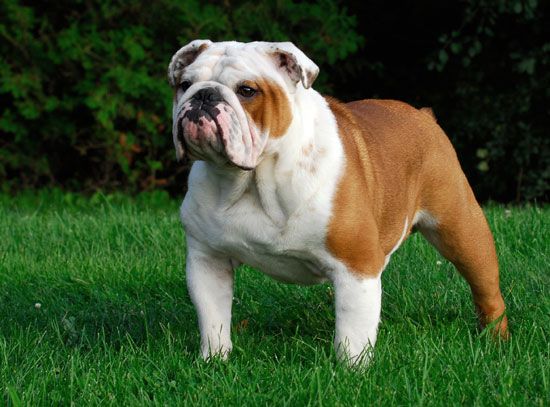
- Bull Terrier: Historically, this breed has also been associated with the pit bull name, though it is often categorized distinctly in modern breed standards.8
What is the average lifespan of a pit bull, and how does it compare to other breeds?
The average lifespan of an American Pit Bull Terrier is 12–16 years. In comparison, the American Bully, a related breed created in the 1980s and 1990s, has a slightly shorter average lifespan of 10–14 years.39
While these ranges are generally consistent with many other dog breeds, individual longevity can be influenced by factors such as genetics, diet, and overall health care. Pit bulls and their related breeds are known to be susceptible to specific health issues, such as hip dysplasia, which can impact their quality of life and long-term health.39
Because “pit bull” is an umbrella term rather than a single, standardized breed, lifespan can vary depending on the specific lineage and the health practices of individual breeders. Responsible ownership, including regular veterinary checkups and appropriate exercise, remains the most effective way to support the health and longevity of these dogs.3
What are some common misconceptions about pit bull temperament and behavior?
Common misconceptions regarding pit bull temperament often stem from the breed’s complex history and controversial reputation. Understanding these dogs requires separating myths from documented behavioral traits.
Common Misconceptions
- Inherently Vicious Temperament: A major misconception is that pit bulls are naturally aggressive toward humans. Historically, these dogs were bred for tenacity and fighting other dogs, but aggression toward humans was actively discouraged because handlers needed to manage them safely during fights.311
- “Like Any Other Dog”: Conversely, some argue that pit bulls are identical to all other breeds. While proponents note that pit bulls often score similarly to friendly breeds like Golden Retrievers on temperament tests, experts point out that the breed possesses unique physical and behavioral traits—such as high tenacity and a tendency to continue an attack once started—that distinguish them from many other dogs.34
- Breed-Specific Danger: Many organizations, including the American Veterinary Medical Association, reject the idea that any specific breed is inherently dangerous, arguing that behavior is heavily influenced by training and ownership. However, critics argue that the breed’s history of being bred for fighting has resulted in genetic predispositions toward certain behaviors, such as a lower threshold for anger or a high pain tolerance.124
The Role of Environment
The majority of pit bulls lead peaceful lives as loyal, playful, and obedient companions. However, because they are “dogs of extremes,” their behavior can be significantly impacted by their environment. Irresponsible breeding and mistreatment—particularly in the context of illegal dogfighting—are primary drivers of the vicious behavior sometimes observed in the breed.311
Sources
- pit bull — Merriam-Webster
- Pit bull bans — Encyclopædia Britannica
- pit bull — Encyclopædia Britannica
- pit bull: Top Questions — Encyclopædia Britannica
- American Staffordshire terrier — Merriam-Webster
- American Staffordshire Terrier — Encyclopædia Britannica
- American pit bull terrier — Merriam-Webster
- Staffordshire Bull Terrier — Encyclopædia Britannica
- Pit bull bans - Pro 3: BSL controls dogs that are genetically dangerous. — Encyclopædia Britannica
- American Bully — Encyclopædia Britannica
- dog - Breed-specific behaviour — Encyclopædia Britannica
- Pit bull bans - Con 1: BSL does not make communities safer. — Encyclopædia Britannica
Published on · 4 min read