What Dogs Make an American Bully?
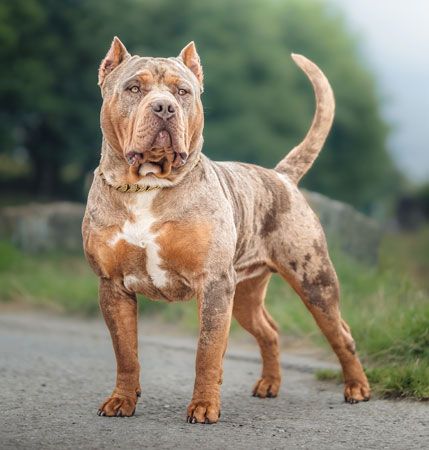
The American Bully is a companion dog breed developed in the United States during the 1980s and 1990s. Breeders created the dog by crossing the American Pit…
What Dogs Make an American Bully?
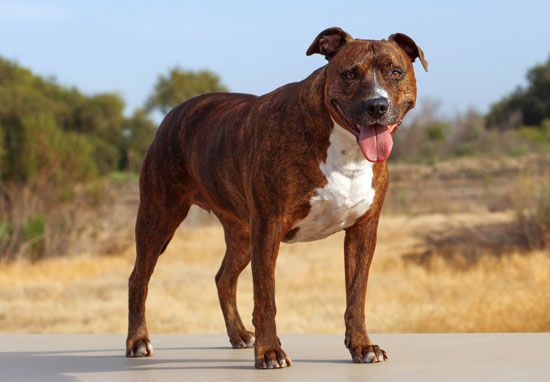
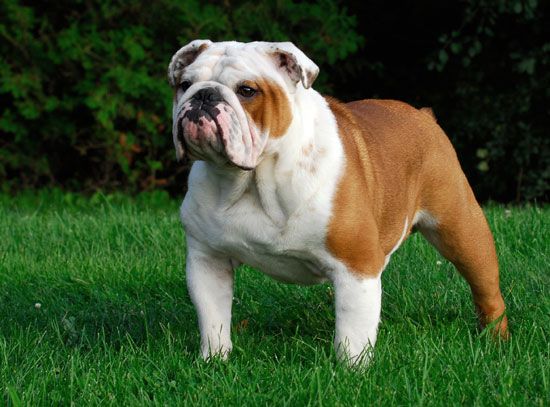
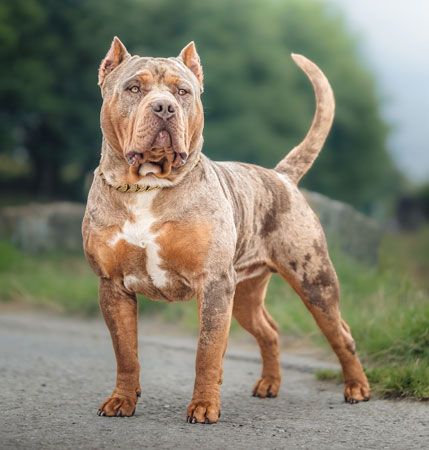
The American Bully is a companion dog breed developed in the United States during the 1980s and 1990s. Breeders created the dog by crossing the American Pit Bull Terrier with various bulldog breeds to combine the pit bull’s physical strength with the more gentle, laid-back temperament of the bulldog.12
Specifically, the foundation of the breed involves crossing pit bulls with the following:
- English Bulldog
- American Bulldog
- Olde English Bulldogge12
The objective was to produce a companion animal with a broad chest, marked musculature, and a powerful jaw, while simultaneously attempting to diminish the aggressive instincts associated with the pit bull lineage. While many American Bullies serve as loving pets, the success in tempering these aggressive traits has been mixed, and the breed remains involved in a significant number of attacks on humans and other animals.12
Why do major kennel clubs like the American Kennel Club not recognize the American Bully?
The American Kennel Club (AKC) does not recognize the American Bully as an official breed primarily due to a lack of consistency in the breed’s physical traits, overlapping characteristics with other established breeds, and its relatively short history. Kennel clubs typically prioritize breeds with long-standing, documented lineages, and because the American Bully is a newer, hybrid-derived breed, it does not meet these traditional requirements for recognition.12
Furthermore, the AKC maintains strict standards for purebred registration, and because the American Bully was developed by crossing American Pit Bull Terriers with various bulldog breeds, it is often viewed as a hybrid or designer dog rather than a distinct, stable purebred line. This lack of standardization has led to the creation of separate registries, such as the American Bully Kennel Club (ABKC), which was established specifically to manage the breed’s standards.21
What are the physical differences between the pocket, standard, and XL varieties of the American Bully?
The American Bully is categorized into three primary varieties based on height at the withers, as recognized by the United Kennel Club. The physical differences between these varieties are summarized below:
Variety
Height at Withers
Weight
13–17 inches (33–43 cm)
11–22 pounds (5–10 kg)
Standard/Classic
16–20 inches (41–51 cm)
45–110 pounds (20–50 kg)
XL
19–23 inches (48–58 cm)
80–140 pounds (36–64 kg)
Key Distinctions
- Classic vs. Standard: While grouped together by height, the “classic” variety is distinguished by a lighter body frame and less muscle mass compared to the “standard” variety.
- Size Variations: Dogs shorter than the pocket variety are referred to as “micros,” while those taller than the XL variety are known as “XXLs.” XXLs are typically 2–3 inches taller and 20–30 pounds heavier than the XL variety.
Regardless of their specific variety, all American Bullies are characterized by a large, broad head, a short and compact body with a deep, wide chest, and a muscular neck.
What is brachycephalic airway syndrome and why does it affect certain dog breeds?
Brachycephalic airway syndrome is a collection of upper respiratory tract obstructions that commonly affect brachycephalic (flat-faced) dog breeds, such as pugs, bulldogs, French bulldogs, and shih tzus.
These health issues arise because humans have selectively bred these dogs to retain infantlike features, including small noses and jaws, into adulthood. While these traits are often considered aesthetically desirable, they result in a compressed skull structure that forces the animal’s internal anatomy into a restricted space. This leads to chronic breathing difficulties, as the dogs struggle to move air through their obstructed airways.
The consequences for these animals are severe: they overheat easily, have a significantly lower capacity for physical activity, and often require surgery to breathe properly. Because these health problems are a direct result of human-driven breeding practices that prioritize appearance over animal welfare, many veterinarians and animal-welfare activists argue that breeding for these exaggerated features is unethical.5
Sources
- What Dogs Make an American Bully? — Encyclopædia Britannica
- American Bully — Encyclopædia Britannica
- American Kennel Club — Encyclopædia Britannica
- American Staffordshire Terrier — Encyclopædia Britannica
- Is It Wrong to Own a Flat-Faced Dog? — Encyclopædia Britannica
Published on · 3 min read