Plantago
Plantago is a genus comprising approximately 270 species of small, herbaceous flowering plants found worldwide, particularly in temperate regions. These…
What is Plantago?
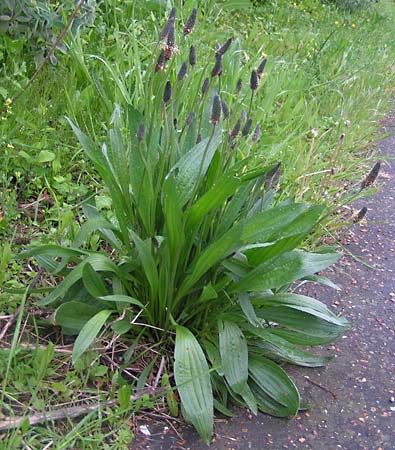
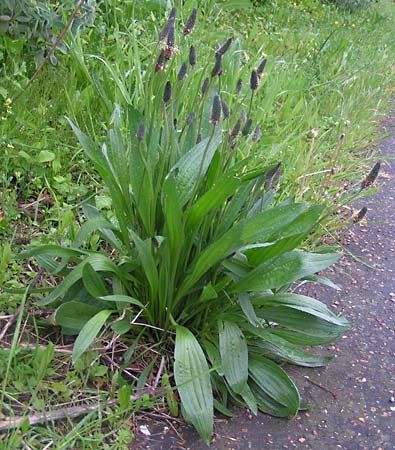
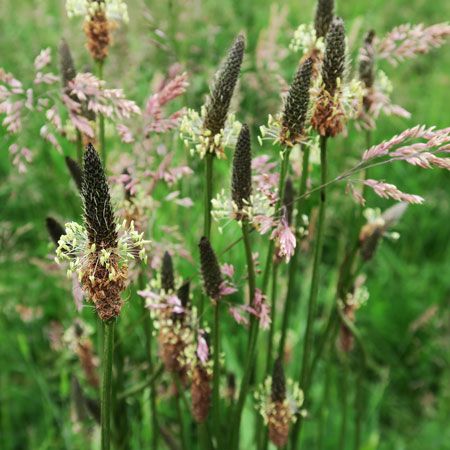
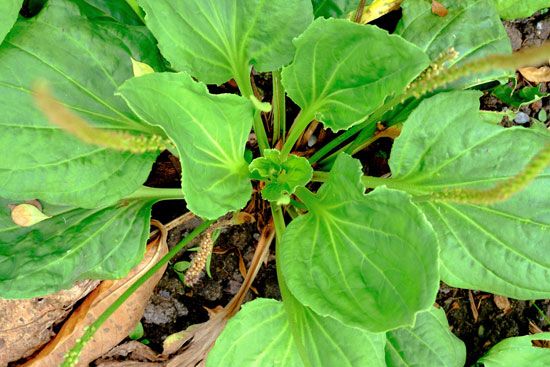
Plantago is a genus comprising approximately 270 species of small, herbaceous flowering plants found worldwide, particularly in temperate regions. These plants typically feature a dense tuft of basal leaves and leafless stalks topped with a spike of small flowers. They are members of the Plantaginaceae family, which also includes well-known genera such as Digitalis (foxglove) and Antirrhinum (snapdragon).123
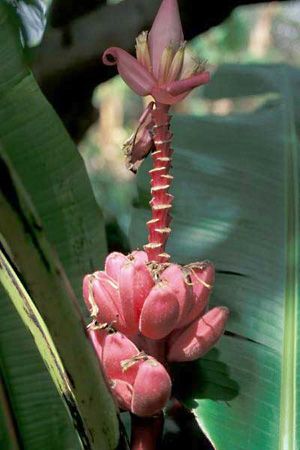
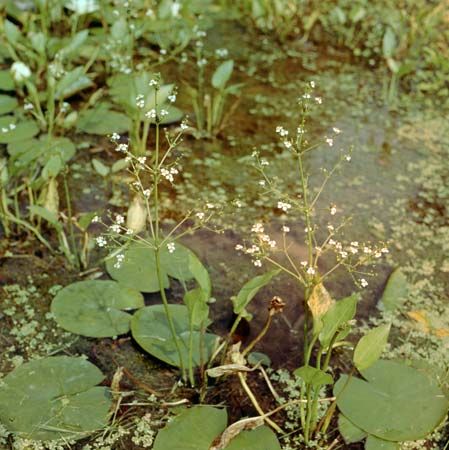
It is important to note that Plantago species are commonly referred to as plantains, but they are entirely unrelated to plantain bananas, water plantains, or mud plantains.12
Many Plantago species are recognized as weeds or medicinal herbs, with some, such as the greater plantain (P. major), historically used to treat wounds and inflammation. Additionally, blond plantain (P. ovata) is commercially significant for its seeds; the outer coats, known as psyllium husks, are widely used as fiber supplements and food additives due to their ability to form a viscous gel.1
What is the difference between Plantago and the banana plantain?
It is a common misconception that Plantago and the banana plantain are related due to their shared name; however, they are entirely distinct plants belonging to different botanical families and serving different purposes.43
Key Differences
Feature
Plantago
Banana Plantain
Scientific Name
Genus
Plantago
Musa
species (e.g.,
M. paradisiaca
)
Family
Plantaginaceae
Musaceae
Musaceae
Plant Type
Small, herbaceous annuals
Gigantic, treelike herbs
Primary Use
Medicinal herbs or weeds
Staple food crop (starchy fruit)
Botanical Distinctions
- Plantago: These are small, herbaceous plants characterized by simple basal leaves and leafless stalks topped with spikes of small flowers. They are part of the Plantaginaceae family, which includes various weeds and ornamental flowers.43
- Banana Plantain: These are a major group of banana varieties that grow from an underground stem (rhizome) and can reach heights of up to 10 meters. They are members of the Musaceae family. Unlike common dessert bananas, plantains are high in starch and are typically cooked—boiled or fried—before consumption.45
How does psyllium husk benefit human health?
Psyllium husk, derived from the seeds of the blond plantain (Plantago ovata), offers several significant benefits to human health primarily due to its exceptionally high content of soluble dietary fiber.1
When consumed, these husks readily absorb water and swell to form a viscous gel, which provides the following health advantages:
- Digestive Health: Psyllium is widely used as a bulk-forming laxative to promote regularity and alleviate constipation.16
- Heart Health: Regular consumption may assist in lowering blood cholesterol levels.1
- Metabolic Support: It can help improve blood glucose control, making it a useful component for managing blood sugar levels.1
- Appetite Regulation: By promoting a sense of fullness, psyllium husks can support satiety, which may assist in weight management efforts.1
Beyond these health benefits, psyllium husks are frequently used in the food industry as thickeners, stabilizers, and moisture-retaining agents in products such as breakfast cereals, baked goods, and gluten-free items.1
What other plants belong to the Plantaginaceae family?
The Plantaginaceae family is a diverse group of approximately 90 genera and 1,900 species of herbaceous plants within the order Lamiales. Following modern taxonomic reorganization, many plants previously classified as “scrophs” (formerly in Scrophulariaceae) are now included in this family.37
Notable genera and species within the family include:
- Veronica: The largest genus in the family, containing about 450 species commonly known as speedwells.37
- Penstemon: A large genus comprising about 270 species of herbs known for their showy flowers.37
- Linaria: Known as toadflax, this genus includes nearly 200 species featuring attractive, two-lipped flowers.37
- Digitalis: The foxglove genus, which includes species like D. lanata and D. purpurea, used as sources for heart medications.37
- Antirrhinum: The snapdragon genus, popular in the floral industry.37
- Aquatic Genera: Includes Hippuris (mare’s tail), Littorella, and Callitriche (water starwort).37
- Other Genera: Adenosma, Angelonia, Bacopa, Campylanthus, Chaenorhinum, Globularia, Kickxia, Nanorrhinum, Ourisia, Russelia, Sibthorpia, and Stemodia.3
Sources
- Plantago — Encyclopædia Britannica
- Lamiales - Plantaginaceae — Encyclopædia Britannica
- Plantaginaceae — Encyclopædia Britannica
- Plantain — Encyclopædia Britannica
- Musaceae — Encyclopædia Britannica
- psyllium — Merriam-Webster
- Lamiales — Encyclopædia Britannica
- Plantaginaceae — Merriam-Webster
Published on · 3 min read