Hosta
Hostas, also known as plantain lilies, are hardy herbaceous perennials belonging to the asparagus family (Asparagaceae) and are native to eastern Asia.
What are the main characteristics of hosta plants?
Hostas, also known as plantain lilies, are hardy herbaceous perennials belonging to the asparagus family (Asparagaceae) and are native to eastern Asia.12
Key characteristics include:
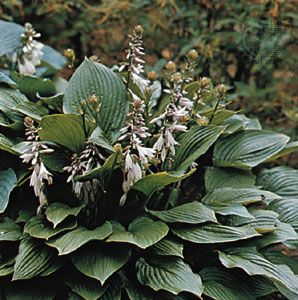
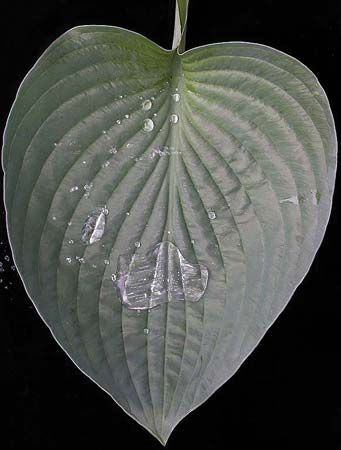
- Foliage: They are primarily cultivated for their conspicuous, ribbed leaves, which grow in a cluster at the base of the plant. These leaves vary significantly in size and come in a range of colors, including light-to-dark green, yellow, blue, or variegated patterns.12
- Flowers: The plants produce tubular white or bluish-purple flowers arranged in clusters at the tips of stalks that emerge from the foliage.12
- Growth Habits: While they thrive best in light shade, they are adaptable to a variety of environmental conditions.12
- Reproduction: Depending on the species, they bloom from late spring to early fall and produce fruit in the form of a long capsule.1
How many species of hosta exist, and where are they native to?
There are approximately 40 species of hostas, which are hardy herbaceous perennials belonging to the asparagus family (Asparagaceae).21
These plants are native to eastern Asia.21
How do different hosta varieties differ in terms of size, color, and leaf texture?
Hosta varieties exhibit significant diversity in their physical traits, primarily defined by their foliage. While all hostas are characterized by their ribbed leaves that grow in a basal cluster, they differ in the following ways:
- Size: The foliage varies considerably in scale. Leaf lengths range from as small as 1.2 cm (0.5 inches) to as large as 45 cm (18 inches), with widths spanning from 1.2 cm (0.5 inches) to 30 cm (12 inches).1
- Color: The leaves display a wide spectrum of colors. Varieties can feature shades ranging from light to dark green, as well as yellow, blue, or variegated patterns.12
- Texture: A defining characteristic across the genus is the ribbed texture of the leaves, which provides a consistent structural element despite the variations in size and color.12
What are some common pests that affect hosta plants?
The provided search results do not contain information regarding specific pests that commonly affect hosta plants. While the results discuss various leafhopper species and their impact on other crops, as well as general plant disease control measures, they do not identify pests associated with the genus Hosta.
Sources
- hosta — Encyclopædia Britannica
- Did you know? — Merriam-Webster
- leafhopper — Encyclopædia Britannica
- Plant disease - Control measures — Encyclopædia Britannica
Published on · 2 min read