Plum Curculio
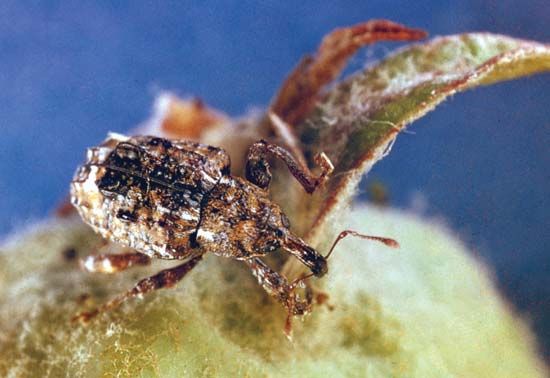
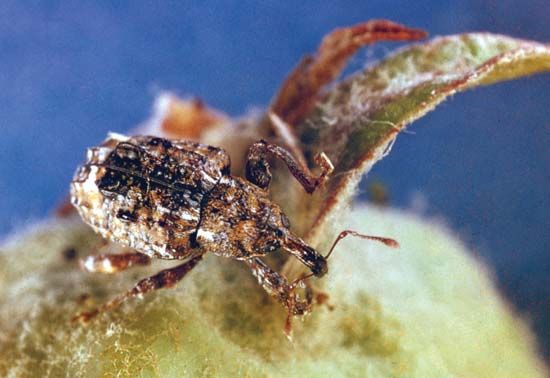
The plum curculio (Conotrachelus nenuphar) is a significant North American insect pest that causes serious damage to a wide variety of fruit trees, including…
How has the plum curculio impacted the fruit industry economically?
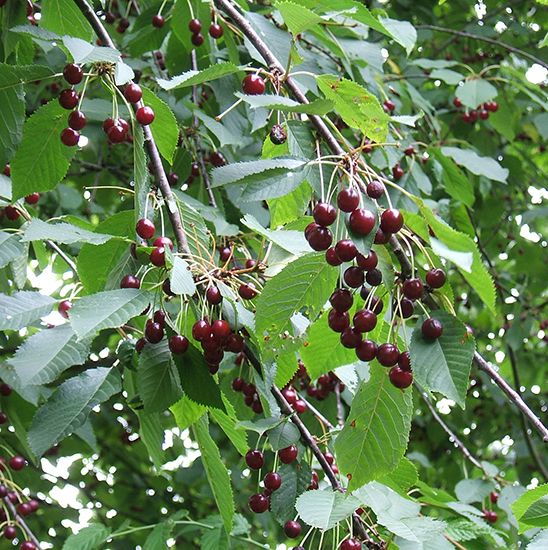
The plum curculio (Conotrachelus nenuphar) is a significant North American insect pest that causes serious damage to a wide variety of fruit trees, including plums, peaches, cherries, nectarines, and apples.123
While the provided search results confirm that the insect is highly destructive to these crops by puncturing fruit skin to deposit eggs and having larvae that burrow into and spoil the pulp, they do not contain specific data regarding the precise economic impact or financial losses to the fruit industry. Consequently, I cannot provide a detailed economic analysis based on the current knowledge base.123
Where is the plum curculio most commonly found, and what are its native regions?
The plum curculio (Conotrachelus nenuphar) is a weevil native to North America. It is widely distributed across the continent, where it serves as a primary pest for various fruit trees, including plums, peaches, cherries, nectarines, and apples.12
The insect is most commonly found in orchards and environments where these host trees are cultivated, as the adult feeds on the leaves and uses the fruit to deposit its eggs. Because it is indigenous to North America, its life cycle—which involves overwintering in hibernation and producing up to two generations annually—is well-adapted to the regional climate.12
What types of fruits are most commonly affected by the plum curculio?
The plum curculio (Conotrachelus nenuphar) is a highly destructive weevil that targets a wide range of fruit crops. The fruits most commonly affected include:
The adult insect uses its snout to puncture the skin of young fruit to deposit its eggs, often creating a characteristic crescent-shaped incision. Once the larvae hatch, they burrow into the center of the fruit to feed on the pulp, which causes the fruit to spoil.123
What is the life cycle of the plum curculio?
The life cycle of the plum curculio (Conotrachelus nenuphar) consists of four primary stages: egg, larva, pupa, and adult. Both sexes of the adult pass the winter in hibernation, often within debris or trash piles.13
- Egg: In the spring, the female uses her snout to puncture the skin of young fruit, creating a characteristic crescent-shaped incision. She deposits an egg into each wound.132
- Larva: After hatching, the legless larva burrows into the center of the fruit to feed on the pulp around the stone or core. This feeding process typically lasts three to five weeks, during which the fruit is spoiled.132
- Pupa: Once fully fed, the larva leaves the fruit and enters the soil to pupate. This stage lasts approximately one month.13
- Adult: The adult emerges from the soil to feed on the leaves and fruit of host trees. Depending on the climate, the species may complete up to two generations annually.13
Sources
- Plum curculio — Encyclopædia Britannica
- plum curculio — Merriam-Webster
- Curculio — Encyclopædia Britannica
Published on · 2 min read