Pocono Mountains
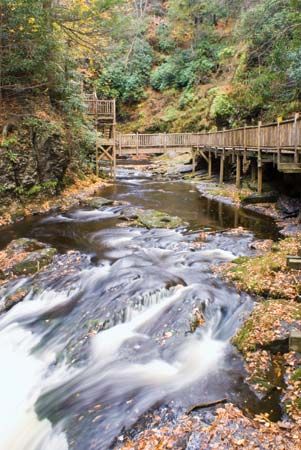
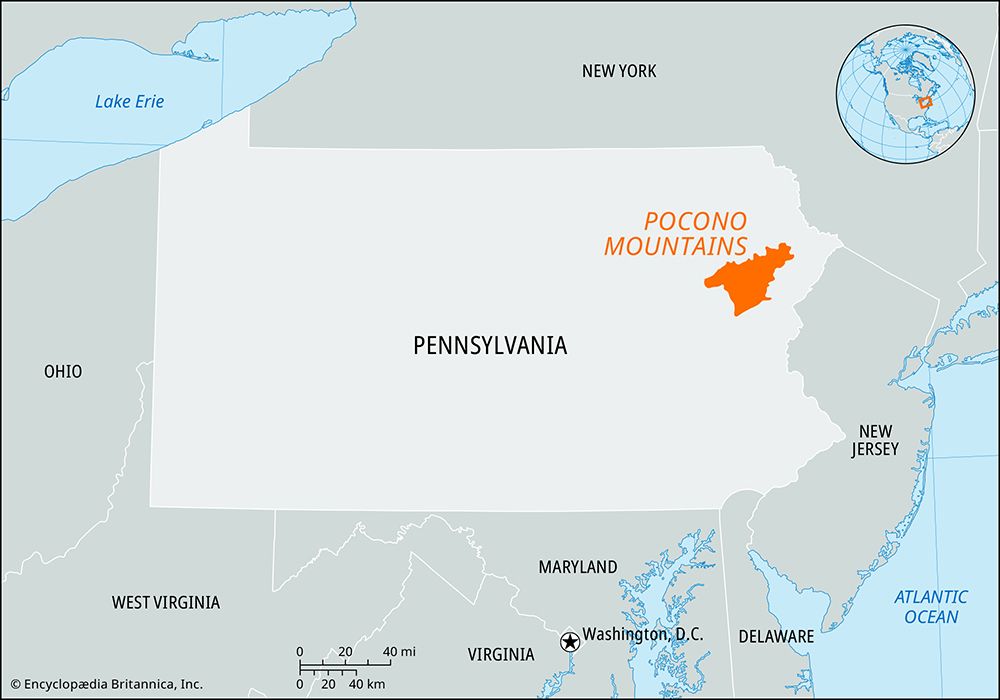
The Pocono Mountains are a premier destination for outdoor recreation, known for their scenic forests, lakes, and streams.
What are some popular recreational activities and tourist attractions in the Pocono Mountains?
The Pocono Mountains are a premier destination for outdoor recreation, known for their scenic forests, lakes, and streams.1
The region is particularly famous for its resort facilities that cater to visitors throughout the year. Popular recreational activities include:1
- Winter Sports: The area is widely recognized for its numerous skiing resorts, which draw many tourists during the colder months.2
- Outdoor Exploration: The plateau’s natural landscape provides an ideal setting for enjoying the outdoors, with its heavily forested terrain and diverse water features offering opportunities for sightseeing and nature-based activities.1
The Poconos serve as a significant hub within Pennsylvania’s broader tourism landscape, which also includes extensive state park systems and historic sites across the state.2
How were the Pocono Mountains formed geologically, and what is their estimated age?
The Pocono Mountains are not a distinct mountain range formed by a single event, but rather a high-elevation plateau composed of resistant rock layers. Their current form is primarily the result of differential erosion, where hard sandstones and conglomerates have withstood the forces of weathering, leaving the region raised above the surrounding lowlands.1
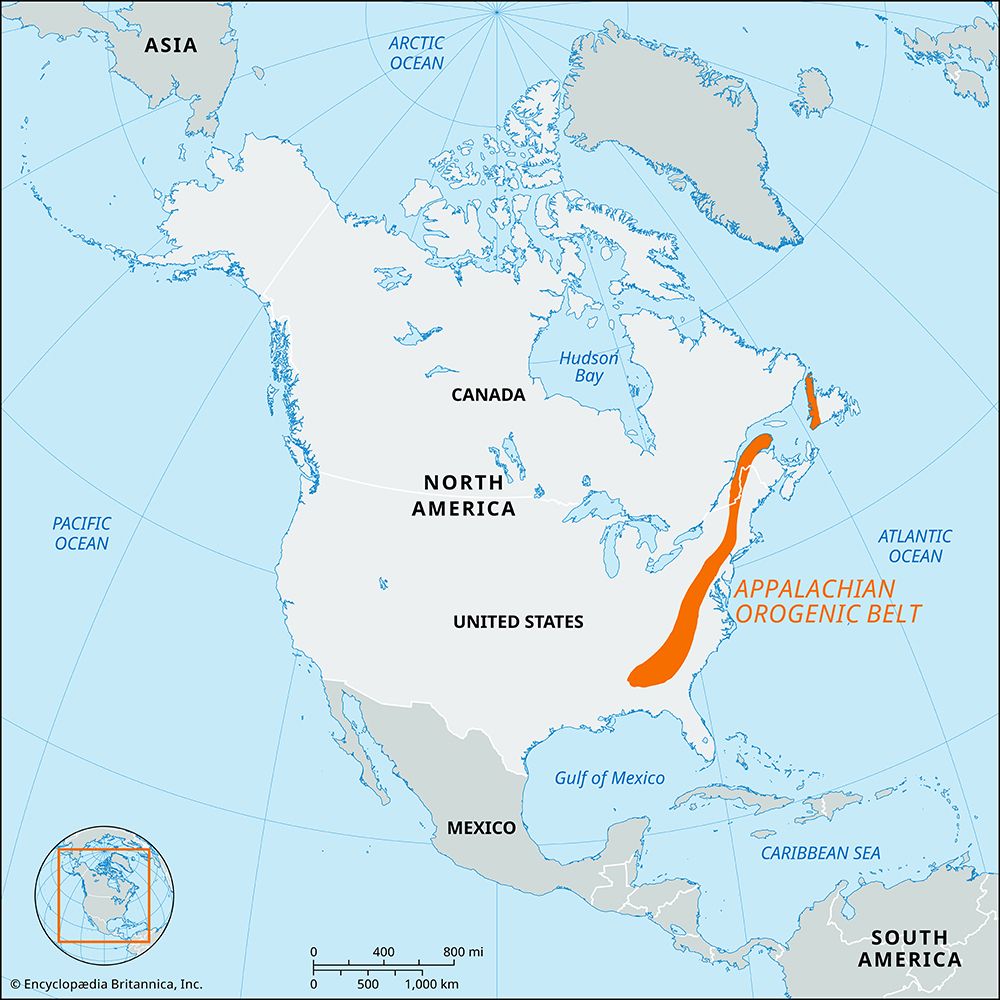
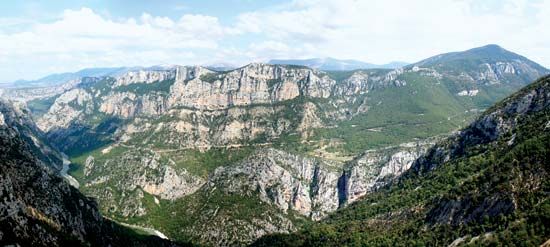
Geologically, the Poconos are part of the larger Appalachian orogenic belt, an ancient mountain system formed through a series of continental collisions. These collisions triggered three major orogenies: the Taconic (approx. 472 million years ago), the Acadian (390–370 million years ago), and the Alleghenian (300–250 million years ago). While the Poconos share this deep geological history, their specific character as a flat-topped plateau is defined by these ancient sedimentary layers that have persisted through millions of years of landscape evolution.31
How have the Pocono Mountains influenced the economic development of northeastern Pennsylvania?
The Pocono Mountains have played a pivotal role in the economic development of northeastern Pennsylvania primarily by serving as a major hub for the tourism and hospitality industries.
The region’s natural features—including its heavily forested plateau, scenic lakes, and streams—have long supported the growth of numerous resort facilities that attract visitors throughout both the summer and winter seasons. This focus on tourism is a cornerstone of the economy for several communities, such as Mount Pocono, East Stroudsburg, and Stroudsburg, the latter of which serves as a county seat and regional center.145
Beyond tourism, the economic landscape of the area is supported by a mix of activities, including:
- Services and Education: The presence of institutions like East Stroudsburg University of Pennsylvania contributes to the local service economy.5
- Diversified Industry: Economic activity in the region also includes light manufacturing and diversified farming, which complement the dominant tourism sector.5
What is the cultural and historical significance of the Pocono Mountains to Native American tribes and early European settlers?
The Pocono Mountains hold significant historical weight regarding the interactions between Native American tribes and European settlers. A defining event in this history is the Walking Purchase of 1737, a controversial agreement negotiated between Thomas Penn and the Delaware people that involved lands within the region.1
For early European settlers, the area became a site of both strategic military importance and frontier development. In 1760, Colonel Jacob Stroud settled in the area and later constructed Fort Penn in 1776, which served as a defensive structure during the American Revolutionary period. The region also became a refuge for survivors of the Wyoming Massacre of 1778, who sought safety in the area following the conflict. These early settlements laid the groundwork for the establishment of towns like Stroudsburg, which was formally laid out in 1806 and later became a county seat.5
Sources
- Pocono Mountains — Encyclopædia Britannica
- Pennsylvania - Sports and recreation — Encyclopædia Britannica
- Appalachian orogenic belt — Encyclopædia Britannica
- Monroe — Encyclopædia Britannica
- Stroudsburg — Encyclopædia Britannica
Published on · 3 min read