Poison Hemlock
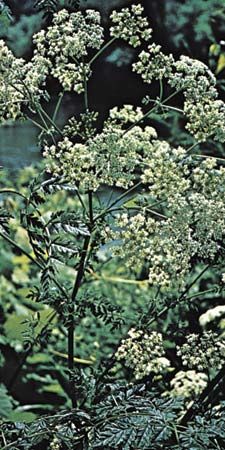
Poison hemlock (Conium maculatum) is a highly toxic herbaceous plant containing poisonous alkaloids such as coniine. Ingestion of even small amounts of the…
Are there any potential medicinal uses for poison hemlock, despite its toxicity?
Poison hemlock (Conium maculatum) is a highly toxic herbaceous plant containing poisonous alkaloids such as coniine. Ingestion of even small amounts of the plant can lead to severe symptoms, including muscular weakness, paralysis, respiratory failure, and death.12
The provided search results do not indicate any safe or recognized medicinal uses for poison hemlock. On the contrary, the plant is historically and scientifically documented primarily for its extreme toxicity, famously associated with the death of the philosopher Socrates. Because the plant is lethal to both humans and livestock, it is classified strictly as a poisonous species rather than a medicinal one.12
Given the significant danger posed by this plant, it is essential to prioritize safety and avoid any contact with or consumption of it.
What toxic compounds are present in poison hemlock, and how do they affect the human body?
Poison hemlock (Conium maculatum) contains several potent toxic alkaloids, most notably coniine (C8H17NC_8H_{17}N), as well as conhydrine, N-methylconiine, and coniceine.125
These compounds are highly toxic to both humans and livestock, with all parts of the plant containing the poison. When ingested, these alkaloids act as powerful neurotoxins that disrupt the nervous system. The primary physiological effects on the human body include:1
- Muscular weakness: A progressive loss of muscle control, often beginning in the extremities.2
- Paralysis: The toxins can lead to paralysis of the muscles, including those required for breathing.2
- Respiratory failure: The ultimate cause of death is typically respiratory paralysis, leading to collapse and fatality.12
- Other symptoms: Ingestion may also result in blindness.2
Because even small amounts can be fatal, poison hemlock is considered one of the most dangerous plants. It is historically significant as the substance used in the execution of the philosopher Socrates.12
How is poison hemlock different from other similar-looking plants, such as Queen Anne’s lace?
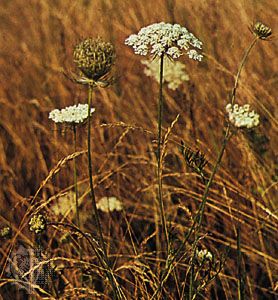
Distinguishing between poison hemlock (Conium maculatum) and similar-looking plants like Queen Anne’s lace (wild carrot) is critical for safety, as poison hemlock is lethal if ingested.13
While both belong to the Apiaceae family and share similar lacy leaves and white, umbrella-shaped flower clusters (umbels), there are key physical differences to observe:
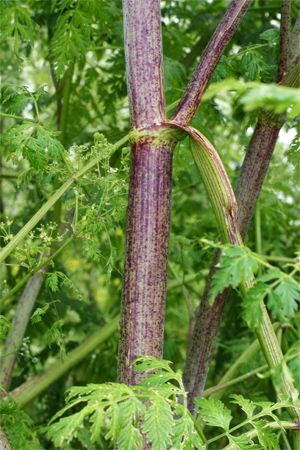
- Stem Appearance: The stem of the poison hemlock is a primary identifier; it is hollow and typically features distinct red or purple spots or streaks, particularly toward the base.1
- Hairiness: Poison hemlock is a hairless plant. In contrast, many look-alikes, such as wild carrot, often have hairy stems.1
- Venation: If you examine the leaves closely, the veins of poison hemlock leaflets terminate at the tips of the teeth, whereas in related dangerous species like water hemlock, the veins end at the notches between the teeth.1
Because of the extreme risk of respiratory collapse and death from even small amounts of poison hemlock, it is vital to avoid handling or consuming any wild plant that you cannot identify with absolute certainty.13
How does poison hemlock affect livestock and wildlife that may encounter it?
Poison hemlock (Conium maculatum) is highly toxic to livestock and other animals that may encounter it. Because all parts of the plant contain potent alkaloids—most notably coniine—ingestion of even small amounts can be fatal to animals.1
When livestock or wildlife consume the plant, the toxins act as neurotoxins that disrupt the nervous system, leading to a rapid onset of severe symptoms. The physiological effects on animals include:
- Muscular weakness: A progressive loss of muscle control, often starting in the extremities.2
- Paralysis: The toxins cause paralysis of the muscles, which eventually affects the respiratory system.2
- Respiratory failure: The primary cause of death in poisoned animals is respiratory paralysis, which leads to collapse and fatality.12
- Additional symptoms: Ingestion may also result in blindness.2
Because the plant remains toxic throughout its life cycle, it poses a persistent threat to grazing animals in areas where it has been introduced, such as North America, Australia, and parts of Asia.1
Sources
- poison hemlock — Encyclopædia Britannica
- poison - Plant poisons (phytotoxins) — Encyclopædia Britannica
- poison hemlock — Merriam-Webster
- hemlock — Merriam-Webster
- coniine — Merriam-Webster
- water hemlock — Encyclopædia Britannica
Published on · 3 min read