Lovage
Lovage (Levisticum officinale) is a perennial herb belonging to the parsley family (Apiaceae), native to southern Europe. It is the sole member of its genus…
What is lovage?
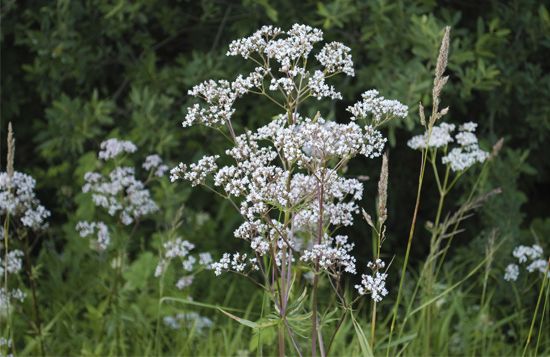
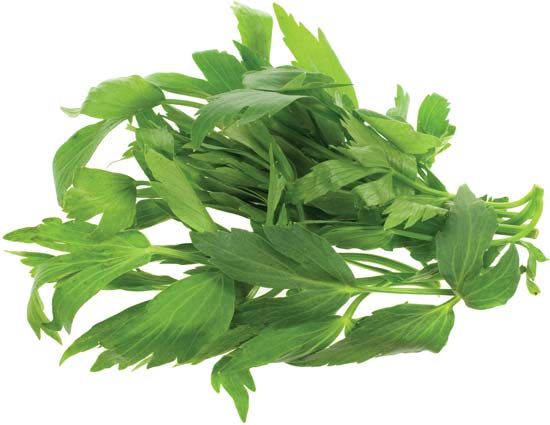
Lovage (Levisticum officinale) is a perennial herb belonging to the parsley family (Apiaceae), native to southern Europe. It is the sole member of its genus and is characterized by a sweet flavor often compared to celery.1
The plant is highly versatile in its applications:
- Culinary: The stalks and foliage are used as a vegetable or to flavor meats, while the seeds serve as a flavoring for confectionery and liqueurs.1
- Medicinal: Historically used in traditional medicine, the rhizomes are utilized as a carminative, and the herb is sometimes employed as a diuretic.12
- Industry: The essential oil extracted from the flowering tops is used in both perfumery and food flavoring.1
What other herbs belong to the parsley family?
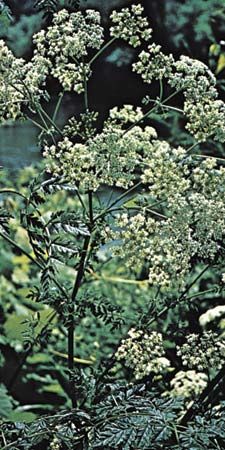
The parsley family (Apiaceae) is a diverse group comprising nearly 3,820 species, many of which are economically significant as culinary herbs, spices, and vegetables. While some members are well-known for their flavor, it is important to note that the family also includes highly toxic plants, such as poison hemlock and water hemlock, which should never be consumed.3
Common edible herbs and spices within this family include:
- Parsley (Petroselinum crispum)
- Coriander (Coriandrum sativum), also known as cilantro31
- Dill (Anethum graveolens)
- Anise (Pimpinella anisum)
- Angelica (Angelica archangelica)
- Caraway (Carum carvi)
- Cumin (Cuminum cyminum)
- Fennel (Foeniculum vulgare)3
Additionally, several root and leaf vegetables belong to this family, such as carrots, celery, and parsnips.3
How is lovage different from celery in cooking?
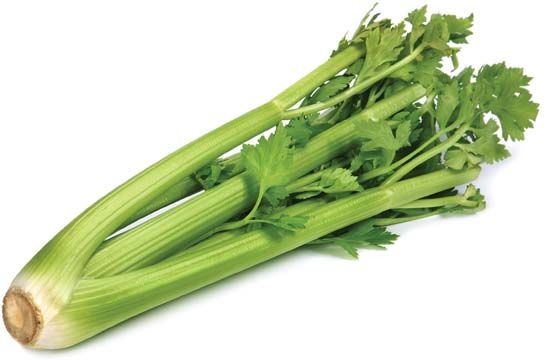
While lovage and celery share a similar sweet, aromatic flavor profile, they differ significantly in their culinary roles and usage:
- Usage Intensity: Lovage is primarily used as a potent flavoring agent rather than a primary vegetable. Because its flavor is much more intense and concentrated than that of celery, it is typically used in smaller quantities to season dishes like soups, stews, and meats.12
- Versatility of Parts: While celery is commonly consumed for its crisp stalks, almost every part of the lovage plant is utilized in cooking. Its foliage and stalks are used to flavor foods, its seeds serve as a seasoning for confectionery and liqueurs, and its rhizomes have historically been used for their medicinal properties.1
- Culinary Application: Celery is often treated as a staple vegetable or aromatic base, whereas lovage is treated as a specialized herb, similar to parsley or angelica, to enhance the depth of a dish.1
What are some traditional medicinal uses for herbs?
Throughout history, herbs have been utilized for a wide array of medicinal purposes, ranging from the treatment of specific ailments to use in rituals and hygiene.
Historical Medicinal Applications
In ancient civilizations—including those of China, Egypt, Greece, and Rome—herbs were foundational to medical practice. Early herbals, or manuals for identifying and preparing remedies, documented their use in treating nearly every known ailment. Notable historical applications include:7
- Digestive Health: Ancient Egyptians used senna pods and castor oil for constipation, and peppermint and caraway for indigestion.8
- Fever and Pain: Early Chinese medicine utilized chang shan (Dichroa febrifuga) for its antifever properties, while opium derivatives were historically employed for pain relief.8
- Respiratory Conditions: Plants containing ephedrine, such as ma huang, were used by ancient Chinese physicians to address various respiratory issues.8
- Ritual and Hygiene: Beyond direct treatment, herbs were used in holy oils, as aphrodisiacs, and by shamans as charms to ward off evil spirits. They were also commonly used to clean and fragrance homes.7
Modern Perspectives
While traditional herbalism relies on empirical knowledge passed down through generations, modern phytotherapy applies scientific rigor to plant-derived medications. Today, some herbal remedies are supported by clinical evidence; for example, St. John’s wort is recognized for providing symptomatic relief in cases of mild to moderate depression, and peppermint oil is used for irritable bowel syndrome.910
However, it is essential to approach herbal remedies with caution. Because some herbal products can pose health risks, including potential toxicity or fatal overdosing, they should be used with awareness of their pharmacological activity.10
Sources
- lovage — Encyclopædia Britannica
- lovage — Merriam-Webster
- Apiaceae — Encyclopædia Britannica
- lovage oil — Merriam-Webster
- Chinese parsley — Merriam-Webster
- coriander: Top Questions — Encyclopædia Britannica
- spice and herb — Encyclopædia Britannica
- phytotherapy — Encyclopædia Britannica
- pharmaceutical industry - Medicines of ancient civilizations — Encyclopædia Britannica
- traditional Chinese medicine - The practice of traditional medicine — Encyclopædia Britannica
- complementary and alternative medicine - Efficacy of CAM — Encyclopædia Britannica
Published on · 3 min read