Minari
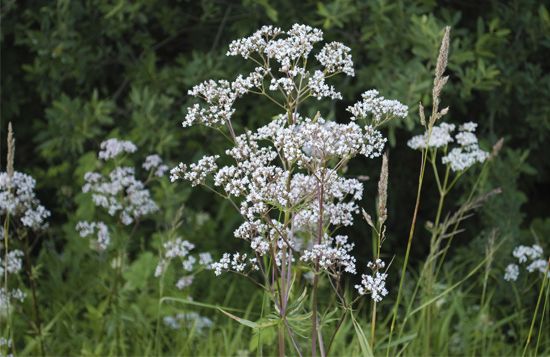
Minari (Oenanthe javanica), also known as water celery or water dropwort, is a perennial herb in the carrot family (Apiaceae). Native to East Asia, it…
What is minari?
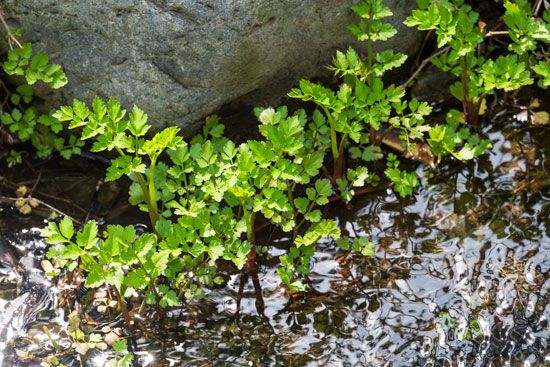
Minari (Oenanthe javanica), also known as water celery or water dropwort, is a perennial herb in the carrot family (Apiaceae). Native to East Asia, it thrives in wetlands, marshes, and irrigated fields, where it is valued for its crunchy texture and mildly peppery taste.12
The plant is rich in dietary fiber, minerals, and antioxidants, including vitamin C and flavonoids. While cultivated minari is a popular culinary ingredient in dishes like kimchi and soups, wild harvesting requires caution; some related species, such as hemlock water-dropwort, contain potent neurotoxins that can cause fatal poisoning.12
Beyond its culinary use, the plant served as the namesake for the 2020 film Minari. Director Lee Isaac Chung chose the title to symbolize resilience and renewal, reflecting the plant’s ability to grow robustly after winter dormancy.2

Why is it dangerous to forage for wild minari?
Foraging for wild minari (Oenanthe javanica) is dangerous primarily due to the risk of misidentification. Minari belongs to the carrot family (Apiaceae), a group of plants that often share similar physical characteristics, such as white or yellow flower clusters and divided leaves.2
The primary safety concern is that other members of the same genus, most notably Oenanthe crocata (hemlock water-dropwort), contain potent neurotoxins. These related species are highly toxic and have been responsible for fatal poisoning in humans. Because it is easy to confuse these dangerous plants with edible minari without specialized botanical knowledge, foraging in the wild carries a significant risk of accidental ingestion of toxic material.23
For these reasons, it is strongly recommended to obtain minari from cultivated sources, which are considered much safer for consumption.23

What are some other plants in the carrot family?
The carrot family, known as Apiaceae, is a diverse group of approximately 3,820 species of flowering plants. Many members are aromatic herbs characterized by hollow stems and flat-topped flower clusters called umbels.45
Below are some notable plants within this family, categorized by their primary uses:
Food Crops and Vegetables
- Carrot (Daucus carota)
- Celery (Apium graveolens)
- Celeriac (A. graveolens, variety rapaceum)
- Parsnip (Pastinaca sativa)
- Fennel (Foeniculum vulgare)46
Herbs and Spices
- Parsley (Petroselinum crispum)
- Coriander/Cilantro (Coriandrum sativum)
- Dill (Anethum graveolens)
- Cumin (Cuminum cyminum)
- Anise (Pimpinella anisum)
- Caraway (Carum carvi)46
Poisonous Species
It is important to note that the family also includes highly toxic plants, such as:
- Poison hemlock (Conium maculatum)
- Water hemlock (Cicuta maculata)
- Cowbane (Oxypolis species) Cowbane (Oxypolis species)45
How does the film Minari use the plant as a metaphor?
In the 2020 film Minari, directed by Lee Isaac Chung, the plant serves as a poignant metaphor for the immigrant experience. Chung selected the title because minari is known for its ability to return and grow robustly following winter dormancy.
This specific growth pattern mirrors the film’s central themes of endurance and renewal within the life of a Korean immigrant family as they navigate the challenges of establishing a new life. Just as the plant thrives in difficult conditions and spreads through its own resilience, the characters in the film demonstrate a similar capacity to persevere and flourish despite adversity.2
Sources
- minari: Top Questions — Encyclopædia Britannica
- minari — Encyclopædia Britannica
- poison - Plant poisons (phytotoxins) — Encyclopædia Britannica
- list of plants in the family Apiaceae — Encyclopædia Britannica
- Apiaceae — Encyclopædia Britannica
- Brassicales - Brassicaceae , Capparaceae, and Cleomaceae — Encyclopædia Britannica
- list of economically important members of the family Apiaceae — Encyclopædia Britannica
Published on · 3 min read