Pompano
Pompano fish, belonging to the family Carangidae, are characterized by a deep-bodied shape and a lack of teeth. These marine fishes typically feature small…
What are the physical characteristics of pompano fish?
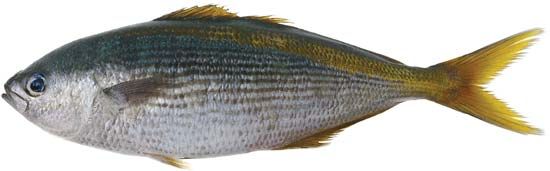
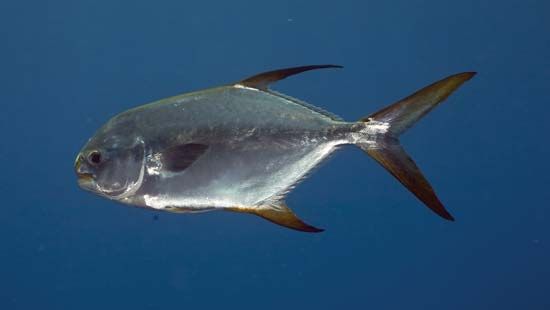
Pompano fish, belonging to the family Carangidae, are characterized by a deep-bodied shape and a lack of teeth. These marine fishes typically feature small scales, a narrow tail base, and a forked tail. Most species are silvery in appearance and inhabit warm coastal waters globally.1
Physical dimensions vary by species:
- Common Pompano: Reaches approximately 45 cm (18 inches) in length and weighs about 1 kg (2 pounds).1
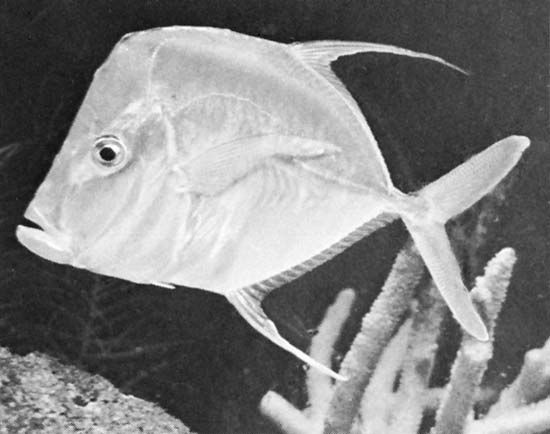
- African Pompano: Grows to about 90 cm in length and is noted for having long, threadlike rays extending from its dorsal and anal fins, particularly in its youth.1
- Longfin Pompano: Distinguished by its elongated fins and tail.2
It is important to note that the term “pompano” is sometimes applied broadly; for instance, the Pacific pompano is actually a member of the butterfish family and differs from the Trachinotus species.13
Where are pompano fish typically found in the wild?
Pompano fish of the genus Trachinotus are widely distributed in warm coastal waters across the globe. Their specific habitats vary by species:1
- Common Pompano (T. carolinus): Primarily found along the Atlantic and Gulf coasts of the United States.1
- Great Pompano or Permit (T. goodei): Inhabits waters off the coast of Florida and the West Indies.1
- African Pompano (Alectis crinitis): Located in the Atlantic and eastern Pacific oceans.1
- Pacific Pompano (Peprilus simillimus): Unlike the Trachinotus species, this fish belongs to the butterfish family and is found in the Pacific region.1
These fish are generally associated with shorelines and coastal environments, which is also the namesake for Pompano Beach, a city in Florida known for the historical abundance of these food fish in its nearby coastal waters.14
What is the importance of pompano fish in commercial fishing?
Pompano fish are highly regarded in the commercial fishing industry due to their status as a choice food source. Among the various species, the common pompano (Trachinotus carolinus) is particularly valued for its culinary quality, making it a significant commercial fish along the Atlantic and Gulf coasts of the United States.1
The economic importance of these fish is historically significant enough that it has influenced regional geography; for example, the city of Pompano Beach in Florida was named after the abundance of these prized fish found in its nearby coastal waters. Additionally, other species such as the Pacific pompano are also recognized as important food fish within their respective regions.14
What different species of pompano exist?
The term “pompano” refers to several distinct marine species, primarily within the family Carangidae, though the name is also applied to unrelated fish.
Species of the Genus Trachinotus
These are deep-bodied, toothless, and silvery fish found in warm coastal waters worldwide:1
- Common Pompano (T. carolinus): Often called the Florida pompano, this is a highly prized commercial food fish found along the Atlantic and Gulf coasts of the United States. It typically reaches about 45 cm in length and 1 kg in weight.12
- Permit (T. goodei): Also known as the great pompano, this blue and silver fish is found in the waters off Florida and the West Indies.1
Other Species
- African Pompano (Alectis crinitis): A member of the Carangidae family found in the Atlantic and eastern Pacific. It can grow to 90 cm and features long, threadlike rays on its fins when young.1
- Pacific Pompano (Peprilus simillimus): Unlike the others, this is a small, bluish-green food fish belonging to the butterfish family.12
Sources
- pompano — Encyclopædia Britannica
- pompano — Merriam-Webster
- longfin pompano — Merriam-Webster
- Pompano Beach — Encyclopædia Britannica
Published on · 3 min read