Butterfish
Butterfish, belonging to the family Stromateidae, are distinct from butterflyfishes (family Chaetodontidae), which are separate, brightly colored…
What are the main characteristics of butterfish (family Stromateidae)?
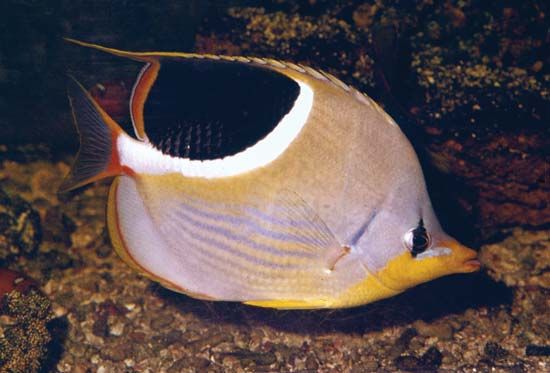
Butterfish, belonging to the family Stromateidae, are distinct from butterflyfishes (family Chaetodontidae), which are separate, brightly colored reef-dwelling species.12
The main characteristics of the family Stromateidae include:
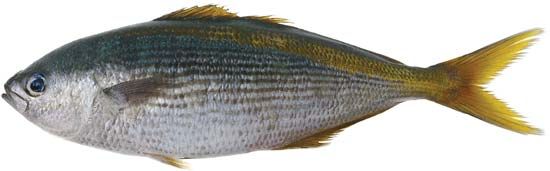
- Physical Appearance: They are thin, deep-bodied, and generally oval-shaped with silvery scales. They possess a small mouth, a forked tail, and a single dorsal fin.13
- Anatomy: A defining feature is the presence of peculiar, toothed outpocketings in the esophagus located behind the pharyngeal bones. They are also noted for having smooth scales and relatively feeble spines.13
- Habitat and Behavior: These fishes are found in warm and temperate seas. Some species, such as the dollarfish, are known for seeking shelter among the tentacles of jellyfish during their youth.1
- Dietary Significance: Several species within this family, including the harvest fish and the Pacific pompano, are commonly consumed as food.13
Are butterfish important in commercial fishing, and how are they typically prepared for consumption?
Butterfish (family Stromateidae) are indeed important in commercial fishing, as several species are valued as food sources globally. Notable examples include the dollarfish (Poronotus triacanthus), the harvest fish (Peprilus alepidotus), the Pacific pompano, and the black-spotted Pampus argenteus found in Oriental markets.1
Regarding their preparation, the provided search results do not contain specific culinary instructions or traditional recipes for butterfish. While these fish are recognized for their slippery coating of mucus and are commonly consumed, the specific methods used to prepare them for the table are not detailed in the available documentation.14
How do butterfish get their name, and what unique features contribute to this?
Butterfish (family Stromateidae) derive their name from a distinct physical characteristic: they possess a slippery, oily coating of mucus that makes them feel smooth to the touch, much like butter.1
This unique feature is a defining trait of these bony fishes, which are generally thin, deep-bodied, and oval-shaped with silvery scales. Beyond their texture, they are anatomically distinguished by a small mouth, a forked tail, and a single dorsal fin. A particularly specialized feature of the family is the presence of peculiar, toothed outpocketings in the esophagus located behind the pharyngeal bones.41
While the name is most commonly associated with the Stromateidae family, it is worth noting that the term is sometimes applied to other species, such as the rock gunnel of the family Pholidae, which shares a similar slippery appearance.4
How do butterfish interact with other marine species in their ecosystem?
Butterfish (family Stromateidae) engage in specialized interspecific relationships within their marine ecosystems, most notably through a protective association with jellyfishes.
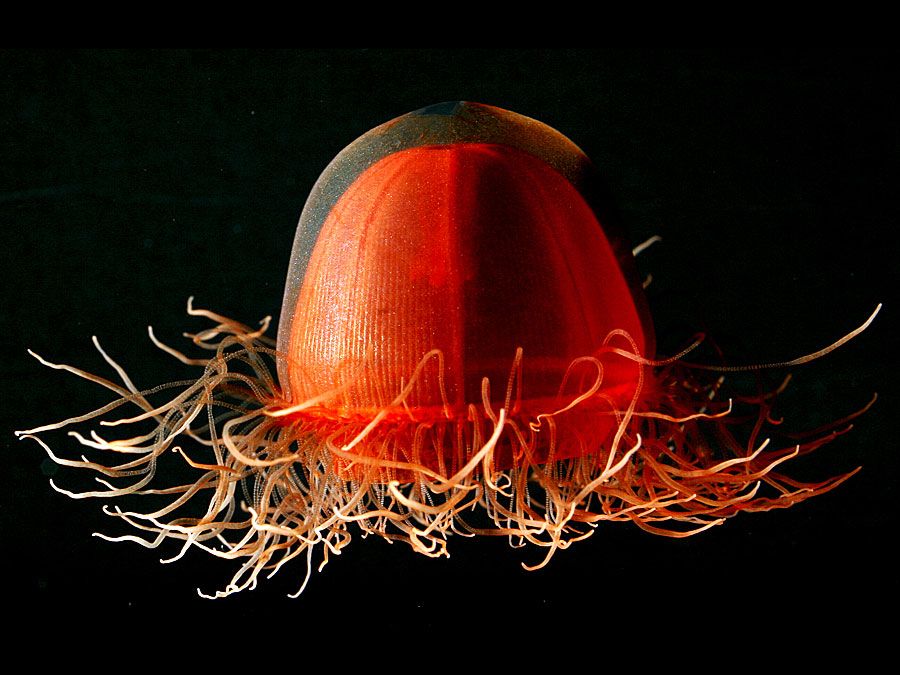
When young, certain species of butterfish, such as the dollarfish (Poronotus triacanthus), seek shelter among the tentacles of jellyfishes. This relationship is highly beneficial for the juvenile fish, as they are immune to the stinging cells of the jellyfish, providing them with a secure environment that offers protection from predators.15
This type of commensal or protective interaction is not unique to butterfish; similar behaviors are observed in other marine species, such as the fry of mackerel and tuna, which also utilize the tentacles of jellyfishes for safety. These interactions highlight the complex ways in which various perciform fishes utilize their surroundings and other organisms to enhance their survival in the wild.5
Sources
- butterfish — Encyclopædia Britannica
- Stromateidae — Merriam-Webster
- butterflyfish — Encyclopædia Britannica
- butterfish — Merriam-Webster
- perciform - Interspecific relationships — Encyclopædia Britannica
Published on · 2 min read