Ponnaiyar River
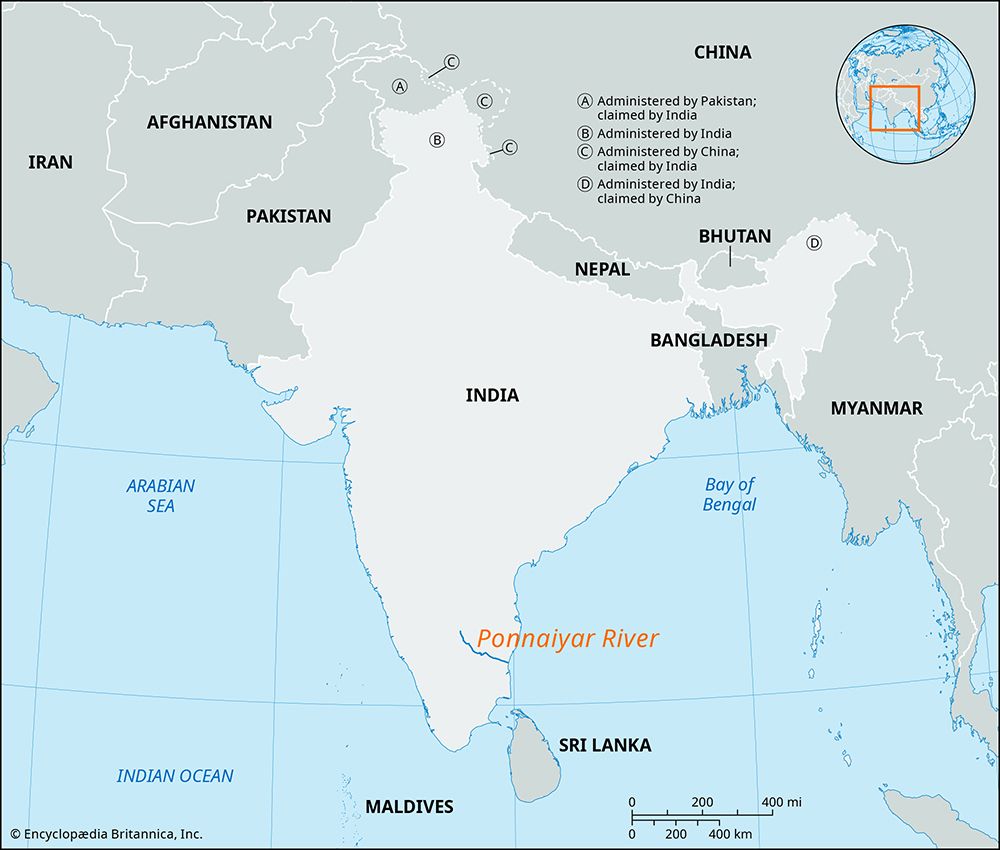
The Ponnaiyar River is a significant waterway in southern India, flowing through the states of Karnataka and Tamil Nadu.
What is Ponnaiyar River?
The Ponnaiyar River is a significant waterway in southern India, flowing through the states of Karnataka and Tamil Nadu.1
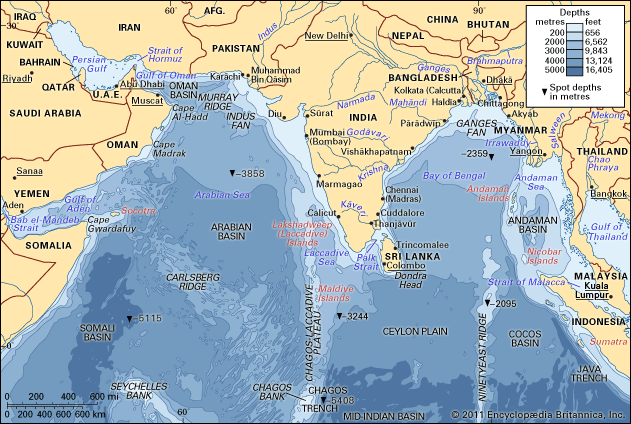
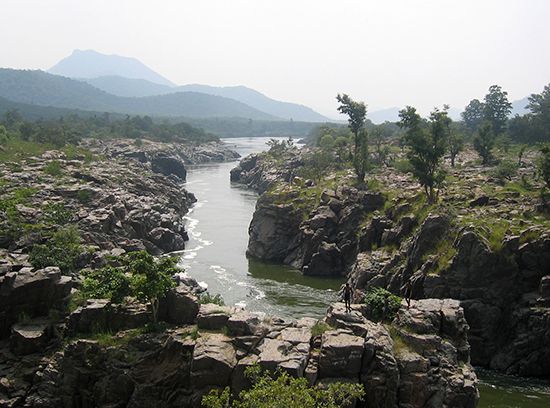
Rising as the Southern Pinakim on the eastern slope of Nandidrug Mountain in Karnataka, the river travels southward for 50 miles before turning southeastward for another 200 miles through Tamil Nadu, eventually emptying into the Bay of Bengal at Cuddalore. Its primary tributaries include the Chinnar, Markanda, Vaniar, and Pamban rivers.1
The Ponnaiyar is vital for agriculture, as it is extensively dammed for irrigation, with notable reservoirs located at Krishnagiri and Sathanur. While heavy rains at its source can trigger sudden, brief floods, the river also holds cultural significance; it is considered sacred by Hindus, who celebrate festivals along its banks during the Tamil month of Tai.1
How do dams impact irrigation in South India?
Dams play a critical role in South India’s agricultural landscape by addressing the challenges posed by the region’s highly seasonal rainfall and the limitations of its geological structure. Because peninsular India relies on a monsoon-dependent water regime and features hard rock formations that restrict groundwater access, dams and their associated reservoirs are essential for ensuring a reliable, year-round water supply.3
The impact of these structures on irrigation includes:
- Water Storage and Distribution: Dams create reservoirs that store water, which is then distributed through extensive canal networks to support crop growth. This allows farmers to move beyond subsistence farming by enabling the cultivation of multiple crops per year, thereby strengthening food security.43
- Mitigating Climate Risks: By providing a controlled water supply, irrigation projects protect farmers from the unpredictability of the monsoon, reducing the high risk of crop failure associated with rain-fed agriculture.43
- Infrastructure Development: The government has prioritized multipurpose river development projects to expand irrigation capacity, which is vital for agricultural development in areas where natural water availability is insufficient.4
- Environmental and Social Challenges: While beneficial, large-scale irrigation can lead to issues such as soil waterlogging and increased salinity if drainage is not properly managed. Additionally, the construction of large dams has historically faced opposition due to the displacement of communities and the submergence of forests, leading to significant social movements.567
What are some other major rivers in Tamil Nadu?
In addition to the Ponnaiyar River, Tamil Nadu is home to several other major rivers that flow eastward from the inland hills toward the Bay of Bengal. These include:910
- Kaveri River: Often called the “Ganges of the South,” this sacred river is vital for the state’s agriculture. It forms a massive, extensively irrigated delta region known as the “garden of southern India” and is supported by major infrastructure like the Mettur Dam.11
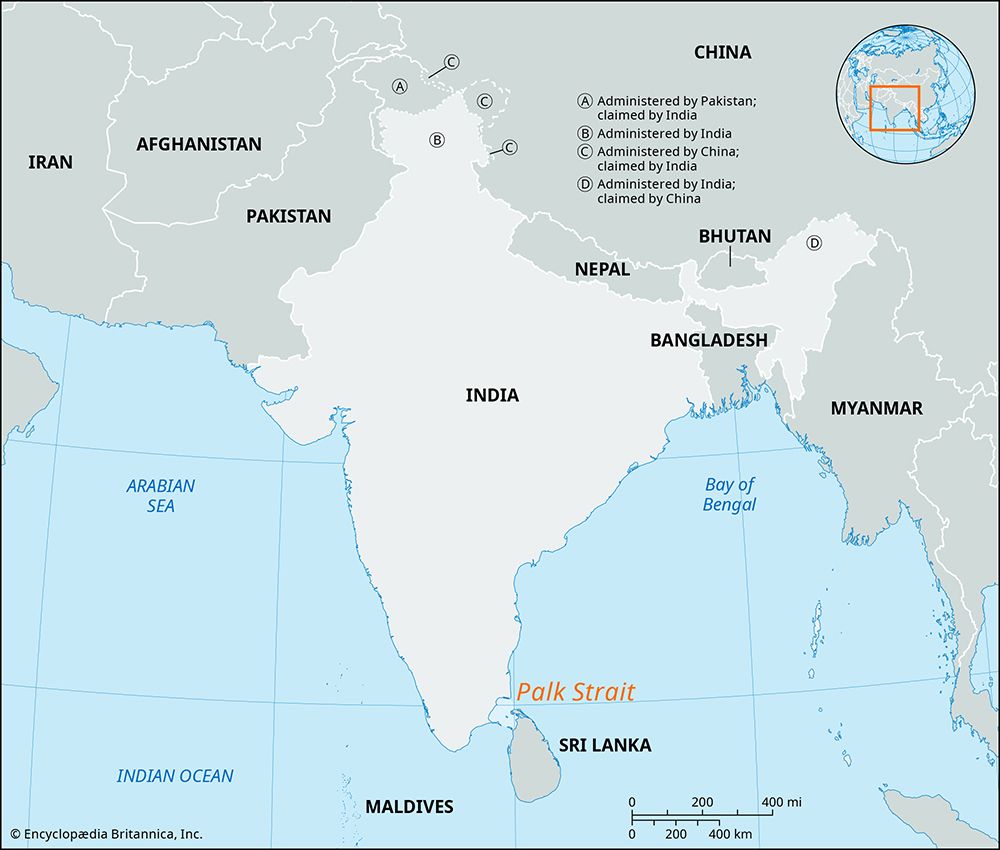
- Vaigai River: Flowing 150 miles through southern Tamil Nadu, this river passes through the city of Madurai before reaching its mouth at the Palk Strait.2
- Palar River: Rising in Karnataka, this river flows 183 miles through Tamil Nadu. Its flow is notably irregular, and it has been dammed in several locations to support irrigation.12
- Thamirabarani River: Another significant river that flows eastward across the plains of Tamil Nadu.910
Why are many rivers in India considered sacred?
In India, many rivers are considered sacred because they are deeply intertwined with Hindu mythology, spiritual practice, and the concept of the tirtha—a holy site where the divine and earthly realms intersect.1314
Rivers are often personified as goddesses who provide purification and spiritual liberation. The Ganges River, for instance, is revered as the holiest of all; according to myth, it descended from heaven to earth to purify the ashes of ancestors, with the god Shiva breaking its fall to protect the planet. Similarly, the Kaveri River is celebrated in Tamil literature as the “Ganges of the South,” and its entire course is regarded as holy ground.1391516
The sanctity of these rivers is expressed through several key traditions:
- Ritual Bathing: Pilgrims perform ritual baths (snana) at river confluences or sources, believing the water cleanses them of sin.149
- Funerary Rites: Casting the ashes of the deceased into sacred rivers is believed to grant the soul a direct passage to heaven.179
- Mythological Association: Many rivers are the settings for divine adventures, such as the Yamuna River being associated with the youth of Krishna.13
Sources
- Ponnaiyar River — Encyclopædia Britannica
- Palar River — Encyclopædia Britannica
- water infrastructure in India - Reservoirs — Encyclopædia Britannica
- Indus River - Irrigation of the Indus River — Encyclopædia Britannica
- water infrastructure in India - Historical background — Encyclopædia Britannica
- water infrastructure in India - Irrigation systems — Encyclopædia Britannica
- Origins of agriculture - Irrigation — Encyclopædia Britannica
- India - Agriculture — Encyclopædia Britannica
- Kaveri River — Encyclopædia Britannica
- Vaigai River — Encyclopædia Britannica
- Tamil Nadu - Relief, drainage, and soils — Encyclopædia Britannica
- Tamil Nadu Plains — Encyclopædia Britannica
- Ganges River: Top Questions — Encyclopædia Britannica
- Hinduism - Myths of holy rivers and holy places — Encyclopædia Britannica
- Shiva - Descent of the Ganges — Encyclopædia Britannica
- tirtha — Encyclopædia Britannica
- Ganges River - People — Encyclopædia Britannica
- Ganges River — Encyclopædia Britannica
Published on · 3 min read