Poodle
Poodles are widely regarded as excellent family pets, known for being great companions to people of all ages. They are generally playful, fairly…
How do Poodles typically behave as family pets and with children?
Poodles are widely regarded as excellent family pets, known for being great companions to people of all ages. They are generally playful, fairly affectionate, and friendly toward everyone, including children. Because they are not fighters, they are often well-suited for family environments.1
As one of the most intelligent and easily trained breeds, Poodles are highly versatile and eager to participate in family activities. Their ability to learn complex tasks makes them responsive to training, and they are adept at following signals. While they are generally gentle, it is important to note that individual dogs may differ in their specific behavior and temperament.1
Beyond their role as companions, Poodles are also known for being excellent watchdogs, though some may have a tendency to bark excessively. Regardless of whether you have a Standard, Miniature, or Toy variety, these dogs thrive when provided with regular mental and physical challenges, such as games and organized activities.1
How do Poodles perform in dog sports and activities?
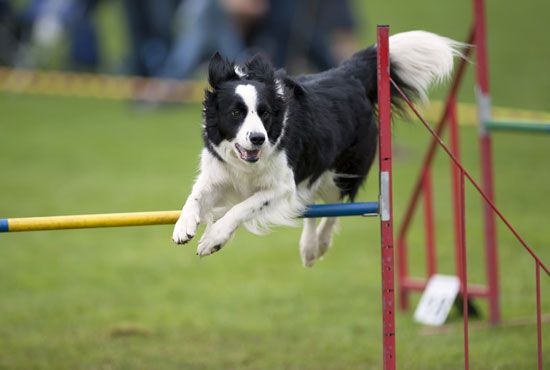
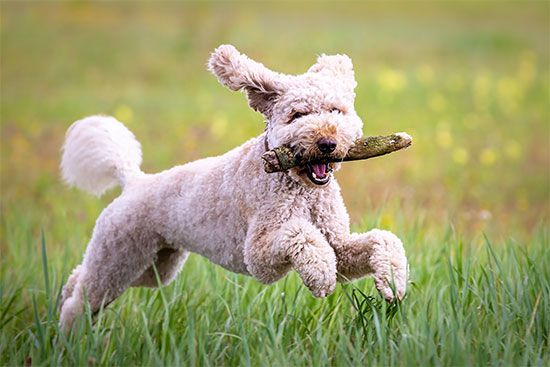
Poodles are highly versatile and excel in a wide variety of dog sports and activities. Because they are ranked among the most intelligent of all breeds and are eager to please, they are natural competitors in obedience and agility trials1.1
Their athletic capabilities and water-retriever heritage make them well-suited for many specialized tasks, including:
- Water Sports: Dock diving and swimming.3
- Field Work: Waterfowl hunting and retrieving.3
- Scent and Tracking: Nose work, tracking, and barn hunt activities.3
- Endurance: Standard Poodles have even participated in the Iditarod dogsled race1.
Beyond formal sports, Poodles are highly responsive to training and capable of learning complex tasks, a trait that historically earned them roles as circus performers and continues to make them effective service dogs. Whether participating in organized activities or daily games, Poodles thrive when provided with consistent mental and physical challenges.31
How did the Poodle breed originate and what was its original purpose?
The Poodle is widely associated with France, but the breed is actually thought to have originated in medieval Germany. Its name is derived from the German word pudelin, which translates to “to splash,” reflecting its historical roots as a water retriever used for duck hunting.1
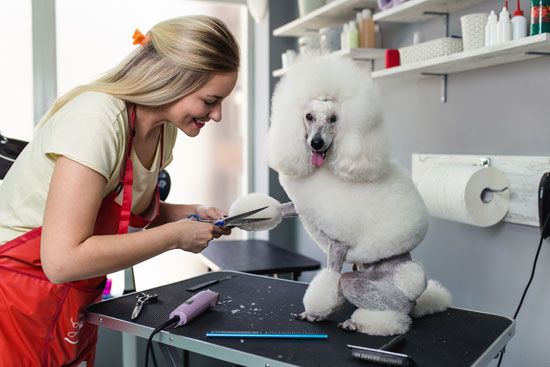
The breed’s iconic appearance was functional rather than purely aesthetic. The distinctive clipping of its heavy coat was originally developed to help the dog remain both warm and maneuverable while working in the water. Over time, the Poodle’s high intelligence and trainability led to its use in a variety of other roles, including performing in circuses and scenting for truffles.1
What are the main characteristics and physical features of Poodles?
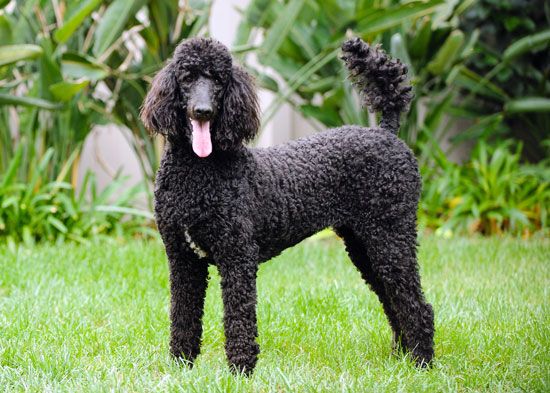
Poodles are elegant, well-proportioned dogs recognized for their high intelligence and versatile nature. According to the American Kennel Club standards, they are bred in three distinct sizes: Standard, Miniature, and Toy.1
Physical Features
- Appearance: Poodles possess a long, straight muzzle, heavily haired hanging ears, and a docked pompon tail. They are known for their proud carriage and characteristic springy gait.1
- Coat: The breed features a dense, wiry topcoat over a woolly undercoat. The coat is solid-colored—appearing in shades such as black, white, gray, brown, apricot, and cream—and is noted for being low-shedding. If left ungroomed, the hair can form ropelike cords.1
- Size and Weight: Heights range from 10 inches or under for Toys to over 15 inches for Standards, with weights spanning 7 to 70 pounds.1
Beyond these physical traits, Poodles are celebrated for their trainability and active temperament, making them excellent companions and competitors in various dog sports.1
Sources
- Poodle — Encyclopædia Britannica
- dog - Toys — Encyclopædia Britannica
- What Is the Smartest Dog Breed? — Encyclopædia Britannica
Published on · 3 min read