What Is the Smartest Dog Breed?
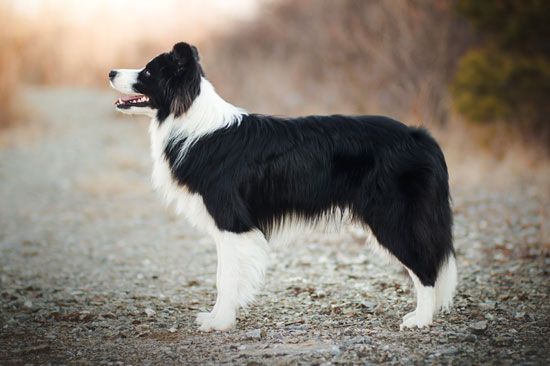
The Border Collie is widely considered the smartest dog breed due to its exceptional ability to learn complex tasks quickly and execute them with precision.…
What Is the Smartest Dog Breed?
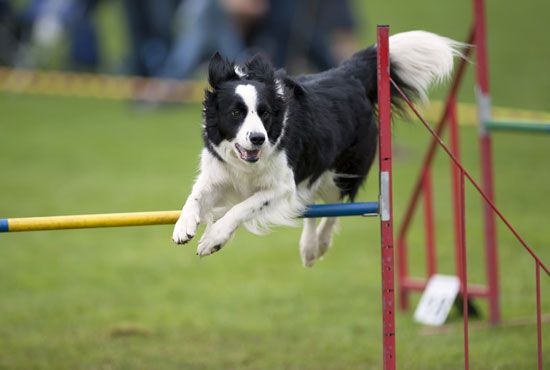
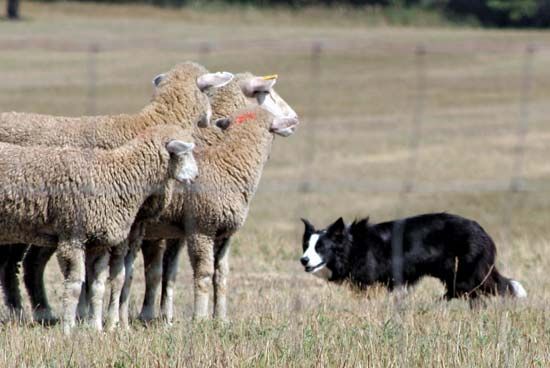
The Border Collie is widely considered the smartest dog breed due to its exceptional ability to learn complex tasks quickly and execute them with precision. This intelligence is rooted in their history as herding dogs, where they developed problem-solving skills and the ability to manage livestock using their “eye”.1
While the Border Collie’s learning capacity is largely unparalleled, other breeds also demonstrate impressive intellect:
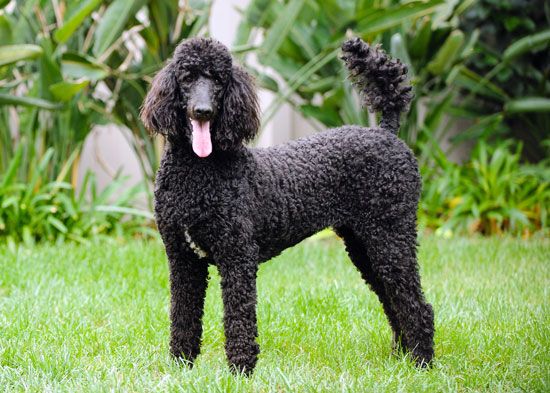
- Poodle: Highly agile and quick to learn, with a strong desire to please.1
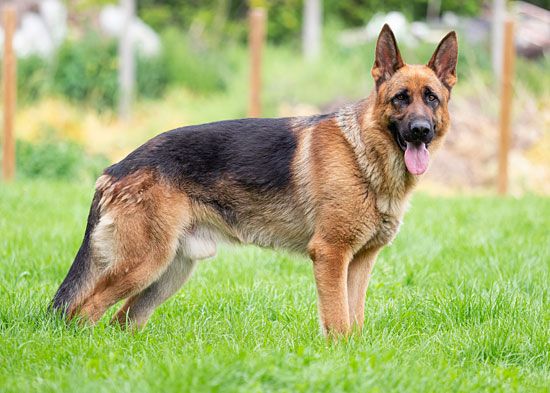
- German Shepherd: Renowned for their loyalty and effectiveness in military and law enforcement roles enforcement](https://www.britannica.com/animal/Why-Are-German-Shepherds-Police-Dogs) roles.1
- Golden Retriever: Combines intelligence with an innate desire to please, making them excellent at obedience.1
- Doberman Pinscher: Perceptive and fearless, often serving as service animals.1
Because these dogs are highly intelligent, they require significant mental and physical stimulation to remain healthy and well-behaved.1
How do scientists measure intelligence in animals?
Scientists measure animal intelligence using a variety of indicators, as there is no single metric to define it across different species. Common methods include:3
- Problem-Solving: Researchers observe how animals navigate puzzles, such as unscrewing containers or operating levers to obtain food.3
- Tool Use: The ability to manipulate objects to achieve a goal—such as chimpanzees using sticks to extract insects or crows using pebbles to raise water levels—is a key indicator of cognitive ability.3
- Learning and Memory: Tests often evaluate an animal’s capacity to learn new tasks, recognize human individuals, or remember information over extended periods.3
- Self-Awareness: Scientists use the “mirror test” to see if an animal can recognize its own reflection, a trait observed in elephants and bottlenose dolphins3.
- Biological Indicators: Some researchers examine brain structure, such as the number of neurons in the cerebral cortex, though a direct correlation between brain size and intelligence remains debated.2
Historically, scientists have also used controlled laboratory experiments, such as instrumental conditioning, to study how animals learn through trial and error.4
What roles do working dogs play in society?
Working dogs are breeds specifically developed to assist humans through practical, specialized tasks. These animals are characterized by their intelligence, loyalty, and robust physical builds, and they play diverse roles in society.56
Primary Roles of Working Dogs
- Guard and Protection: Many breeds, such as the Akita, Rottweiler, and Doberman Pinscher, are bred to protect property, persons, or livestock.56
- Herding: Breeds like the Border Collie and German Shepherd are highly agile and responsive to signals, allowing them to manage livestock across various terrains.78
- Service and Assistance: Service dogs provide essential support to people with disabilities. This includes guide dogs for the visually impaired, hearing dogs that alert partners to environmental sounds, and seizure-alert dogs that can detect or respond to medical emergencies.9
- Law Enforcement and Detection: Due to their keen olfactory senses and trainability, dogs are used to track fugitives, detect illegal substances or explosives, and assist in patrol work.1011
- Hauling and Rescue: Breeds such as the Newfoundland and St. Bernard are historically utilized for rescue operations and pulling carts or sleds.56
How does a dog’s brain compare to a cat’s brain?
Comparing the brains of dogs and cats involves looking at biological structures, though scientists caution against drawing definitive conclusions about intelligence based on these differences alone.2
A primary biological distinction lies in the cerebral cortex, the brain region responsible for complex functions like decision-making and problem-solving. Research indicates that dogs possess approximately 530 million neurons in this area, while cats have about 250 million. While this higher neuron count is often cited as a potential indicator of superior cognitive capacity in dogs, a direct correlation between brain structure and overall intelligence has not been conclusively proven.2
Furthermore, many scientists argue that comparing the two species is inherently difficult because they evolved to succeed in different ecological niches and roles. Because cats have been studied significantly less in behavioral laboratories than dogs, our understanding of feline social intelligence remains limited. Ultimately, because each species possesses unique cognitive strengths tailored to its own survival, the debate over which animal is more intelligent remains inconclusive.2
Sources
- What Is the Smartest Dog Breed? — Encyclopædia Britannica
- Are Dogs Smarter than Cats? — Encyclopædia Britannica
- Which Animal Is the Smartest? — Encyclopædia Britannica
- Animal learning - Complex problem solving — Encyclopædia Britannica
- working dog — Encyclopædia Britannica
- How Service Animals Help Humans Live Fuller Lives — Encyclopædia Britannica
- dog - Herding dogs — Encyclopædia Britannica
- dog - Working dogs — Encyclopædia Britannica
- police - Police dogs — Encyclopædia Britannica
- herding dog — Encyclopædia Britannica
- Why are German shepherds police dogs? — Encyclopædia Britannica
Published on · 3 min read