Teacup Dog
A "teacup dog" is an unofficial term for dogs bred to weigh less than 4 to 6 pounds (1.8–2.7 kg). These dogs are typically smaller versions of breeds such as…
What is a teacup dog?
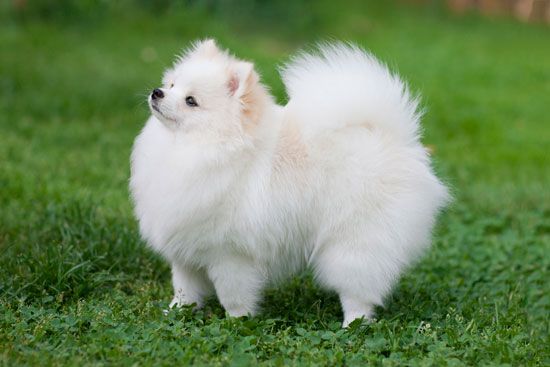
A “teacup dog” is an unofficial term for dogs bred to weigh less than 4 to 6 pounds (1.8–2.7 kg). These dogs are typically smaller versions of breeds such as the Maltese, Chihuahua, Poodle, Pomeranian, Yorkshire Terrier, or Shih Tzu.1
It is important to note that the American Kennel Club does not recognize or endorse this classification. The production of these dogs is widely considered unethical, as breeders often use inbreeding or intentional underfeeding to achieve their small size.1
These practices lead to severe health risks, including hypoglycemia, fragile bones, heart and respiratory conditions, and open fontanelles. Because these animals suffer significantly due to human-driven breeding choices, it is a fundamental ethical principle to prioritize animal welfare over aesthetic trends or convenience. Prospective owners should be aware that these dogs often require specialized care and frequent feeding.1
How are teacup dogs different from regular-sized dogs?
Teacup dogs are not a distinct breed but rather an unofficial designation for dogs bred to be exceptionally small, typically weighing between 4 and 6 pounds (1.8–2.7 kg). Unlike regular-sized dogs, which are developed according to established breed standards, teacup dogs are often the result of unethical breeding practices aimed at extreme miniaturization.12
Key differences include:
- Breeding Practices: While regular-sized dogs are generally bred for health and temperament, teacup dogs are often produced by pairing the smallest members of a litter, or through inbreeding and backcrossing with close relatives. Some breeders may even intentionally underfeed puppies to stunt their growth.12
- Health Risks: Teacup dogs are significantly more prone to severe health issues than average-sized dogs. These include hypoglycemia, heart and respiratory conditions, liver shunts, and fragile bones. Many also possess open fontanelles, leaving them highly vulnerable to head injuries.12
- Care Requirements: Due to their size and health vulnerabilities, teacup dogs require specialized care, including frequent feedings every three to four hours to manage blood sugar levels, and they are at higher risk of accidental injury or death from falls or being stepped on.1
Which breeds can be considered teacup dogs?
“Teacup dog” is an unofficial term used to describe dogs from several specific breeds that have been bred to be exceptionally small, typically weighing between 4 and 6 pounds (1.8–2.7 kg). While these dogs are often categorized within the toy dog breed group, it is important to note that major registries, such as the American Kennel Club, do not recognize or endorse the “teacup” classification.1
The breeds most commonly associated with the teacup designation include:
Because these dogs are often produced through unethical practices like inbreeding or intentional underfeeding to stunt growth, they are highly susceptible to severe health issues, including hypoglycemia, fragile bones, and respiratory conditions. Ethical considerations regarding animal welfare should always be prioritized over aesthetic trends.1
Why do some people want teacup dogs as pets?
The popularity of teacup dogs is driven by several factors, ranging from their aesthetic appeal to their convenience as portable companions. Many people are drawn to these dogs for their rarity and the ease with which they can be carried in bags or purses, making them ideal for individuals with an active, on-the-go lifestyle.1
Beyond convenience, these dogs often trigger an innate human “cute response.” Because they are bred to retain juvenile, fetal-like characteristics—such as foreshortened limbs, large heads, and small faces—they superstimulate our natural nurturing instincts. This phenomenon, known as neoteny, makes them appear helpless and affectionate, qualities that many owners find endearing.2
Furthermore, the rise of social media and celebrity culture has significantly popularized the trend, positioning these miniature dogs as fashionable accessories. As noted by Thorstein Veblen, such pets can also serve as symbols of “conspicuous consumption,” where the possession of a rare or highly specialized animal acts as a status symbol.12
However, it is vital to recognize that this demand often fuels an unethical industry that prioritizes profit over animal welfare, leading to severe health consequences for the dogs.12
Sources
- teacup dog — Encyclopædia Britannica
- Hell in a Handbag — Encyclopædia Britannica
- dog - Toys — Encyclopædia Britannica
Published on · 3 min read