Incubation
Incubation refers to the maintenance of specific environmental conditions, such as temperature and humidity, to facilitate the development of eggs or, in…
What is Incubation?
Incubation refers to the maintenance of specific environmental conditions, such as temperature and humidity, to facilitate the development of eggs or, in laboratory settings, the growth of microorganisms like bacteria.12
In biological contexts, the term has two primary applications:
- Development of Eggs: Most birds and some reptiles use incubation to hatch their young. While many species rely on body heat, others utilize external sources like decaying vegetation, solar heat, or volcanic heat. Specialized equipment known as an incubator is often used to regulate these conditions artificially for poultry or to support premature infants.132
- Disease Progression: The “incubation period” describes the interval between an individual’s initial infection by a pathogen and the first appearance of symptoms. Understanding this duration is critical for disease surveillance, as it helps determine when an individual might be contagious and informs public health strategies like quarantine.145
How do premature infants benefit from the use of incubators?
Infant incubators provide a life-sustaining environment for premature infants or those unable to regulate their own body temperature. These specialized, glass-walled enclosures offer several critical benefits:
- Thermal Regulation: The primary function is to maintain a warm, stable environment, ensuring the infant does not lose essential body heat.
- Environmental Control: Incubators allow medical staff to precisely regulate humidity levels, which is vital for the delicate skin and respiratory needs of a newborn.
- Oxygen Management: Most units are equipped with devices to control the concentration of oxygen within the enclosure. This allows healthcare providers to adjust oxygen levels based on the specific medical needs or respiratory conditions of the infant.
- Accessibility and Protection: The design includes portholes, often fitted with long rubber gloves, which enable nurses to provide necessary care and handling while keeping the infant protected from the external environment.2
What is the difference between altricial and precocial bird hatchlings?
The primary difference between altricial and precocial bird hatchlings lies in their level of development and independence at the time of hatching.
- Precocial: These hatchlings are relatively mature and capable of a high degree of independent activity shortly after emerging from the egg. They typically have strong legs, are covered in fine down, and can see immediately. Because they are often able to leave the nest soon after hatching, they are sometimes referred to as nidifugous (meaning “to flee the nest”). Examples include ducks, geese, ostriches, pheasants, and quail.67
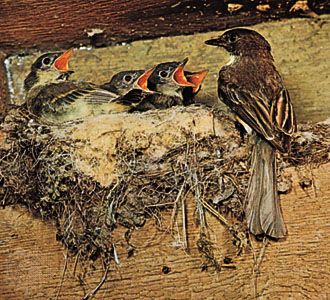
- Altricial: These hatchlings are born in a very immature, helpless condition. They are typically blind, featherless (or nearly so), and require significant parental care—often for weeks—before they can become independent. Because they must remain in the nest to be reared, they are described as nidicolous (“living in a nest”).8796
Some species exhibit intermediate traits, such as “semi-precocial” chicks, which may be down-covered and mobile shortly after hatching but still rely on parents for food and protection.9
How do scientists use bacteriological incubators to identify diseases?
Bacteriological incubators are essential tools in medical diagnostics, used to identify disease-causing microorganisms by providing a controlled environment that promotes their growth.
To identify a potential infection, medical professionals collect a sample from a patient, such as blood, sputum, mucus, or other secretions. This sample is placed into a culture medium and stored within the bacteriological incubator.
The incubator is an insulated, thermostatically regulated enclosure that circulates hot air to maintain a constant temperature, which is optimal for the rapid multiplication of bacteria or other microorganisms. Once the microorganisms have multiplied sufficiently within the culture, they can be examined and identified with much greater certainty than would be possible with the initial, smaller sample. This process allows clinicians to accurately diagnose the specific pathogen responsible for a patient’s illness.2
Sources
- Incubation — Encyclopædia Britannica
- Incubator — Encyclopædia Britannica
- Bird - Nesting — Encyclopædia Britannica
- Why Is It Important to Know the Incubation Period of a Disease? — Encyclopædia Britannica
- incubation period — Merriam-Webster
- Did you know? — Merriam-Webster
- Caprimulgiform - Reproduction — Encyclopædia Britannica
- nidifugous, For The Birds — Merriam-Webster
- Animal social behavior - Social interactions involving the costs and benefits of parental care — Encyclopædia Britannica
- altricial — Merriam-Webster
Published on · 3 min read