Privet
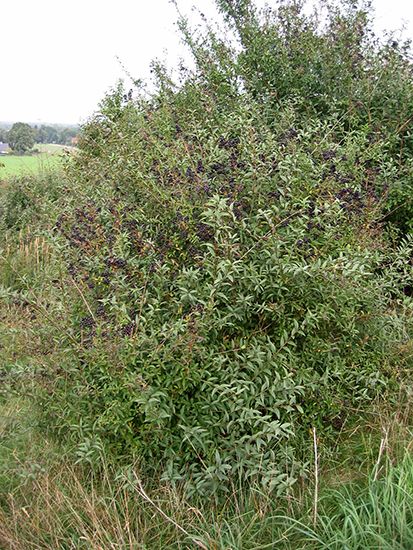
Privet plants, which belong to the genus Ligustrum in the family Oleaceae, are primarily cultivated for their utility as hedges, screens, and ornamental…
Are there any traditional or medicinal uses for privet plants?
Privet plants, which belong to the genus Ligustrum in the family Oleaceae, are primarily cultivated for their utility as hedges, screens, and ornamental plantings rather than for traditional or medicinal purposes. These shrubs and small trees, native to regions including Asia, Australia, and Europe, are valued for their hardy nature and aesthetic appeal in landscaping.1
While various species such as the common privet and glossy privet are widely recognized for their role in gardening and horticulture, the provided information does not document traditional or medicinal uses for these plants.1
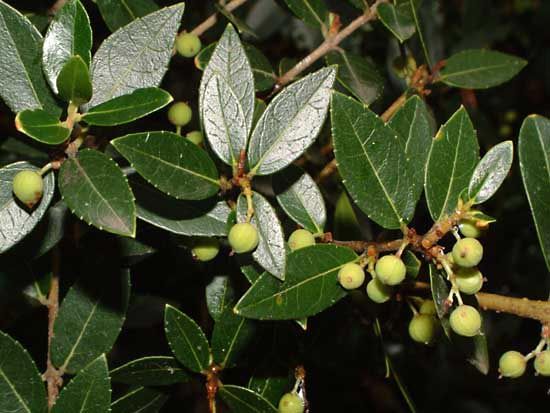
How is privet commonly used in landscaping and gardening?
Privet plants, comprising 40 to 50 species within the genus Ligustrum, are primarily utilized in landscaping and gardening for their versatility as hedges, screens, and ornamental plantings. Their popularity in these roles stems from their hardy nature and the availability of both evergreen and deciduous varieties.1
Specific species are frequently selected for these purposes:
- Common privet (L. vulgare): A hardy shrub native to Europe and Great Britain, widely used as a hedge plant.12
- California privet (L. ovalifolium): A smaller-leaved species from Japan that is also commonly grown as a hedge.1
- Glossy privet (L. lucidum) and Japanese privet (L. japonicum): Often utilized for their aesthetic appeal, particularly their glossy foliage, though they generally require regions with mild winters.1
Many of these species are available in variegated forms, providing additional visual interest in garden designs. These plants are characterized by their opposite, smooth-margined leaves and clusters of creamy-white flowers.1
What are the different varieties of privet, and how do they differ from each other?
The genus Ligustrum consists of 40 to 50 species of shrubs and small trees within the Oleaceae family. While they share common traits such as opposite, smooth-margined leaves and clusters of creamy-white flowers, they vary significantly in size, foliage, and climate requirements.1
Key varieties include:
- Common privet (L. vulgare): A hardy, deciduous shrub native to Europe and Great Britain. It is widely used for hedging and can reach heights of approximately 4.5 meters (15 feet).1
- Glossy privet (L. lucidum): Originating from eastern Asia, this species grows as a tree up to 9 meters tall. It is best suited for regions with mild winters and is notable for its large, 25-centimeter (10-inch) flower clusters.1
- Japanese privet (L. japonicum): Reaching about 4.7 meters in height, this variety is distinguished by its very glossy leaves and requires a mild climate.1
- California privet (L. ovalifolium): A smaller-leaved species native to Japan, frequently utilized as a hedge plant in areas with mild winters.1
Notably, all four of these species have variegated forms available for ornamental use.1
What is privet and which plant family does it belong to?
Privet refers to any of approximately 40 to 50 species of shrubs and small trees within the genus Ligustrum. These plants are widely recognized for their use in landscaping as hedges, screens, and ornamental plantings due to their hardy nature and attractive foliage.1
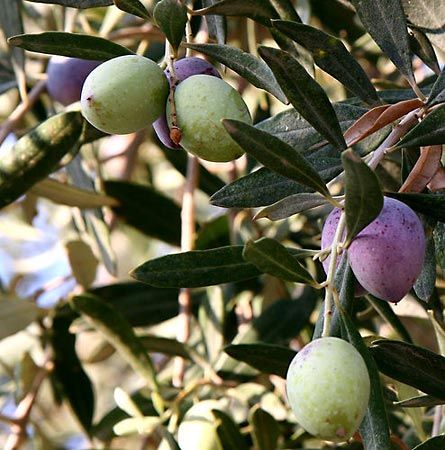
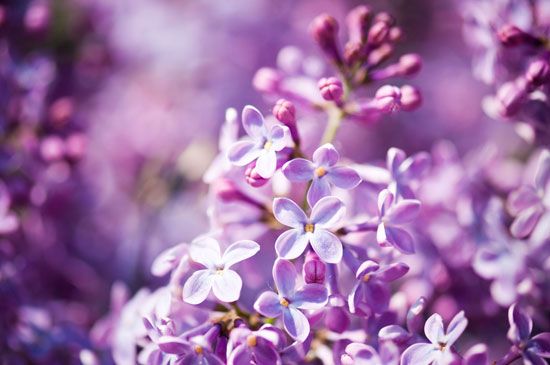
Privet belongs to the Oleaceae family, commonly known as the olive family. This family includes a variety of other well-known plants, such as lilacs, jasmines, and the olive tree. Members of this family are typically woody plants characterized by opposite leaves and are distributed globally, particularly in tropical and temperate regions.13
Sources
- Privet — Encyclopædia Britannica
- privet — Merriam-Webster
- Ligustrum — Merriam-Webster
- Oleaceae — Encyclopædia Britannica
- ligustrales — Merriam-Webster
Published on · 3 min read