Pubic Louse
The pubic louse (Phthirus pubis), often referred to as a crab louse, is a small sucking louse that typically measures 1.5 to 2 mm in length. When viewed…
What is pubic louse?
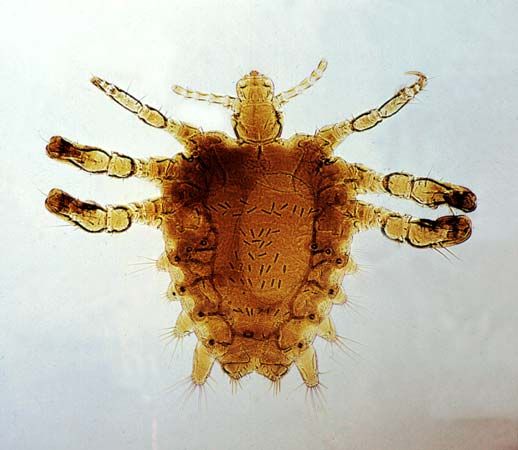
The pubic louse (Phthirus pubis), often referred to as a crab louse, is a small sucking louse that typically measures 1.5 to 2 mm in length. When viewed under magnification, its appearance resembles a crab.1
These parasites are found primarily in the pubic and perianal regions, though they may occasionally inhabit the hair of the thighs, abdomen, or other hairy areas of the human body. The lice attach themselves to the base of the hair and feed on the host’s blood. Their eggs, known as nits, are attached to the hair shafts; these hatch in about one week, and the lice reach maturity in approximately two weeks.12
Infestation, known as pediculosis pubis, is typically identified by the presence of the lice or their eggs, or by the development of intense itching. This inflammation of the skin can sometimes lead to eczema.12
How do head lice differ from pubic lice?
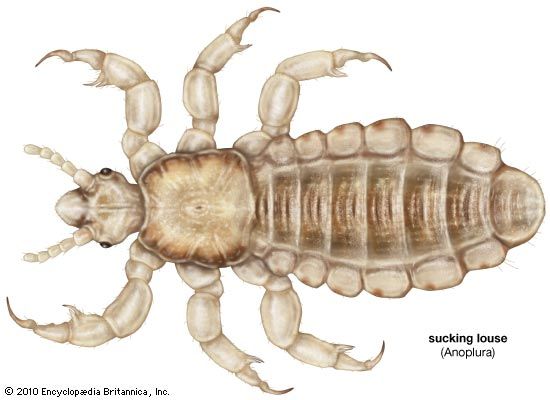
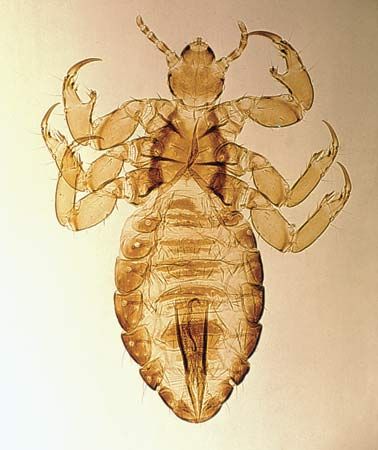
Head lice (Pediculus humanus capitis) and pubic lice (Phthirus pubis) are distinct species of sucking louse that differ primarily in their physical characteristics and preferred habitats on the human body.
Key Differences
- Classification and Morphology: While both belong to the family Pediculidae, they are different species. The pubic louse is broad and small, measuring 1.5 to 2 mm, and resembles a crab under magnification, with its first pair of legs being smaller than the others. The head louse is a subspecies of the human louse and is generally smaller and tougher than the body louse.13
- Habitat: Pubic lice are found primarily in the pubic and perianal regions, though they may occasionally inhabit the hair of the thighs or abdomen. Head lice specifically attach themselves to the hair or scalp.13
- Life Cycle and Transmission: Pubic louse eggs hatch in two to three weeks. Head lice are transmitted through direct contact, and their management typically involves frequent use of a fine-tooth comb and maintaining scalp hygiene.13
What are the common methods for treating a louse infestation?
Treating a louse infestation depends on the specific type of louse, as they inhabit different environments on the human body.
Head Lice
The most effective way to manage head lice is to maintain consistent hygiene of the hair and scalp. The primary method for removal is the frequent use of a fine-tooth comb to physically extract the lice and their eggs from the hair shafts. Historically, when hygiene practices were less common, individuals would shave their heads and wear wigs to eliminate infestations.3
Body Lice
Body lice live primarily in the seams of clothing rather than directly on the body. Because these lice are highly sensitive to heat, they cannot survive high temperatures. Consequently, standard laundry procedures—such as washing clothes in hot water—are sufficient to kill the lice and resolve an infestation.3
Why are pubic lice sometimes referred to as crab lice?
The term “crab louse” is used to describe the pubic louse (Phthirus pubis) because of its distinct physical appearance. When viewed under magnification, the insect’s broad, small body and leg structure bear a striking resemblance to a crab.14
Measuring approximately 1.5 to 2 mm in length, the pubic louse is a sucking louse that primarily inhabits the pubic and perianal regions of the human body. Its morphology is characterized by a broad shape and specialized legs, with the first pair being smaller than the other two pairs. This common name has been in use since at least 1547.14
It is important to distinguish this parasite from the crustacean louse, which refers to various aquatic invertebrates that parasitize fish and are unrelated to human infestations.5
Sources
- pubic louse — Encyclopædia Britannica
- sexually transmitted disease — Encyclopædia Britannica
- human louse — Encyclopædia Britannica
- crab louse — Merriam-Webster
- crustacean louse — Encyclopædia Britannica
Published on · 3 min read