Pyralid Moth
A pyralid moth is any member of the family Pyralidae (or Pyralididae) within the order Lepidoptera. These insects generally feature long, narrow forewings…
What is a pyralid moth?
A pyralid moth is any member of the family Pyralidae (or Pyralididae) within the order Lepidoptera. These insects generally feature long, narrow forewings and broader hindwings, with a typical wingspan ranging from 18 to 35 mm, though some species reach 75 mm. While often plainly colored, some display bright metallic markings.12
Pyralids are a diverse group with varied habitats. Many are significant pests of stored products, such as the Indian meal moth and the Mediterranean flour moth, which infest grains, nuts, and dried fruits. Others are destructive agricultural borers, including the European corn borer and the sugarcane borer.1
Some species exhibit unique behaviors: the greater wax moth possesses extraordinary hearing to detect bat echolocation, while the cactus moth has been used as a biological control agent. Additionally, the genus Acentropus includes rare freshwater larvae that feed on aquatic plants.1
What do pyralid moths look like?
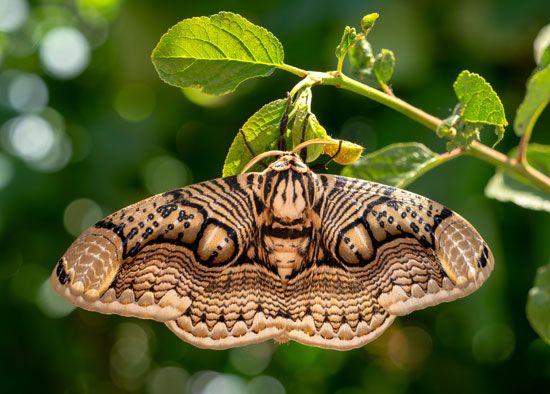
Pyralid moths are generally small to medium-sized insects, typically featuring a wingspan between 18 and 35 mm, though some species can reach up to 75 mm. They are characterized by long, narrow forewings and broader hindwings. When at rest, these moths often hold their wings close to the body, flat, or folded underneath, which has led to some being referred to as “close wings”.21
Physically, they are often described as having long legs and prominent labial palpi. While their coloration is usually dull or plain, some species exhibit bright metallic markings. Certain members of this family are known as “snout moths” due to the elongated, snoutlike mouthparts of their larvae.12
Where can pyralid moths be found in nature?
Pyralid moths are found globally, as the family Pyralidae is a dominant element of insect fauna worldwide. Because they occupy diverse ecological niches, their habitats vary significantly depending on the species.14
In nature, you can find these moths in a wide range of environments, including:
- Agricultural and Domestic Settings: Many species are well-known pests of stored products, infesting cereals, flour, nuts, and dried fruit in storage.4
- Fields and Lawns: Often called grass, meadow, or lawn moths, these insects inhabit grasslands where their larvae bore into the roots and stems of grasses.4
- Crops: Destructive borers like the European corn borer and sugarcane borer infest various plants, including maize, potatoes, rice, and sorghums), and sorghums.1
- Specialized Habitats: Some species have unique niches, such as the greater wax moth, which lives in beehives, or the genus Acentropus, which includes rare freshwater larvae that feed on aquatic plants.4
What do pyralid moths eat during their life cycle?
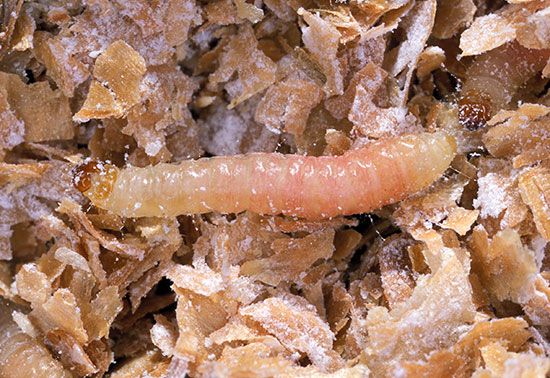
The diet of pyralid moths varies significantly across their life cycle, with the larval stage being the primary period for feeding and growth.1
Larval Feeding Habits
Pyralid larvae exhibit diverse and specialized feeding behaviors depending on the species:
- Stored Products: Many species are notorious pests that feed on dry, stored food items such as cereals, flour, nuts, and dried fruit.1
- Plant Borers: Larvae of species like the European corn borer feed externally on leaves before boring into the stalks, stems, and ears of host plants, including maize, potatoes, and sugarcane.1
- Grass Feeders: Known as grass or sod webworms, these larvae bore into the roots, crowns, and stems of grasses.1
- Specialized Diets: Some pyralids have unique food sources. The greater wax moth feeds on beeswax and young bees in hives, while the cactus moth burrows into cactus plants1. Others, such as Laetilia coccidivora, are predatory, feeding on scale insects, and some aquatic species feed on water plants.1
- Decomposers: Certain snout moths feed on dead or decaying plant matter and moldy debris.5
Adult Feeding Habits
While the larval stage is focused on consuming plant or animal matter to fuel development, adult moths generally shift their focus. Many adult Lepidoptera, including various pyralids, consume nectar from flowers to obtain the energy required for flight and reproduction.5
Sources
- pyralid moth — Encyclopædia Britannica
- Pyralidae — Merriam-Webster
- Pyralididae — Merriam-Webster
- Lepidoptera - Size range and distribution — Encyclopædia Britannica
- caterpillar — Encyclopædia Britannica
- Lepidoptera - Feeding habits — Encyclopædia Britannica
Published on · 3 min read