Qishon River
The Qishon River is a perennial stream located in northern Israel. It originates in the Mountains of Gilboa and the Nazareth Hills, flowing northwest through…
Where is the Qishon River located, and what is its significance in Israel?
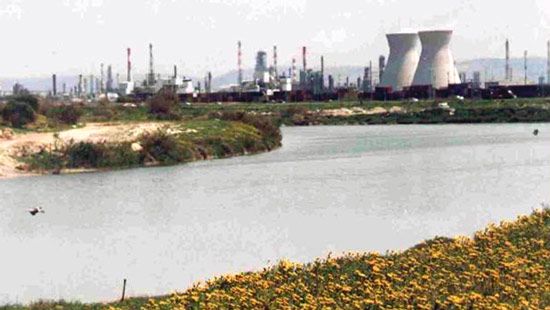
The Qishon River is a perennial stream located in northern Israel. It originates in the Mountains of Gilboa and the Nazareth Hills, flowing northwest through the Plain of Esdraelon and the plain of ‘Akko before emptying into the Mediterranean Sea at the Bay of Haifa.1
The river holds significant historical and religious importance:
- Biblical Significance: It is identified as the site of the Israelite victory over the Canaanite general Sisera, led by Deborah and Barak. Additionally, it is the location where the prophet Elijah confronted the prophets of Baal.1
- Modern Economic Role: The river’s mouth is integrated into the Haifa port complex. The Kishon Port serves as the primary base for Israel’s coastal and deep-sea fishing fleet and hosts the Israel Shipyards Company for vessel construction and repair.1
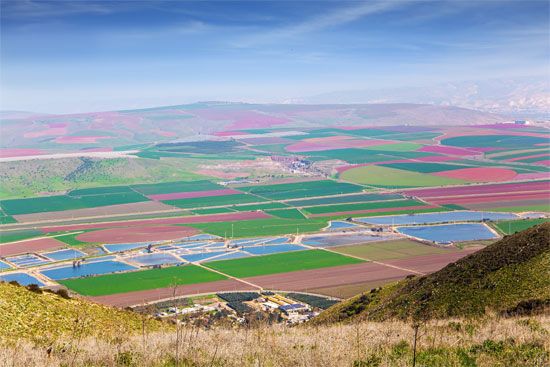
- Water Management: The construction of the Agam Kefar Barukh reservoir has been vital for flood control, irrigation, and local fish farming, transforming an area once prone to seasonal flooding.1
What role did the Qishon River play in ancient times, particularly in biblical references?
In ancient times, the Qishon River served as a critical setting for pivotal biblical events, primarily due to its tendency to swell during heavy rains.
- Victory over Sisera: The river is famously associated with the Israelite victory over the Canaanite general Sisera. Under the leadership of the prophetess Deborah and the commander Barak, the Israelite forces engaged the Canaanites near the Plain of Esdraelon. During the battle, a massive thunderstorm turned the ground into mud, rendering the Canaanites’ 900 iron chariots useless. The Qishon River, swollen by torrential rains, swept away the fleeing Canaanite forces, securing a decisive triumph for the Israelites (Judges 4 and 5).13
- Confrontation of Elijah: Centuries later, the river served as the site of a dramatic religious confrontation. Following his challenge to the prophets of Baal on Mount Carmel, the prophet Elijah led the 450 false prophets to the “brook Kishon,” where he put them to death (I Kings 18:40).1
What historical or cultural importance does the Qishon River hold in Israeli society?
The Qishon River holds significant historical and cultural importance in Israel, serving as both a symbolic landscape and a functional economic asset.
Historical and Religious Significance
The river is deeply embedded in the cultural consciousness of the region through its prominence in the Hebrew Bible. It is the site of the decisive Israelite victory over the Canaanite general Sisera, where the river’s flooding played a tactical role in the battle led by Deborah and Barak. Additionally, it is recognized as the location where the prophet Elijah confronted the prophets of Baal following his victory on Mount Carmel.1
Modern Development and Economic Role
In modern Israeli society, the river has been transformed from a seasonal hazard into a managed resource:
- Water Management: The construction of the Agam Kefar Barukh reservoir allowed for effective flood control and provided essential water for irrigation and fish farming, facilitating settlement in the surrounding areas.1
- Maritime Infrastructure: The river’s mouth is a vital component of the Haifa port complex. The Kishon Port serves as the primary base for Israel’s fishing fleet and hosts the Israel Shipyards Company, which is essential for the construction and repair of maritime vessels.1
How does the Qishon River contribute to Israel’s water resources and agriculture?
The Qishon River plays a vital role in managing Israel’s limited water resources, particularly through infrastructure designed to mitigate the challenges of its geography.
Water Management and Agriculture
Historically, the river posed a significant obstacle to settlement because it overflowed its banks annually during winter rains. To address this, Jewish settlers constructed a dam that created the Agam Kefar Barukh reservoir. This multipurpose facility serves three primary functions:
- Flood Control: It regulates the river’s flow, preventing the seasonal flooding that once hindered agricultural development in the surrounding plains.
- Irrigation: The reservoir captures water that would otherwise be lost, providing a necessary supply for local agriculture.
- Fish Farming: The impounded water supports the operation of fishponds, contributing to the region’s food production.
Given that Israel faces a chronic water shortage and utilizes approximately three-fourths of its total hydraulic resources for irrigation, the management of perennial rivers like the Qishon is essential for sustaining the country’s agricultural output.
Sources
- Qishon River — Encyclopædia Britannica
- Qishon — Merriam-Webster
- Deborah — Encyclopædia Britannica
- Yarkon River — Encyclopædia Britannica
- Israel - Drainage — Encyclopædia Britannica
Published on · 3 min read