Qu’Appelle River
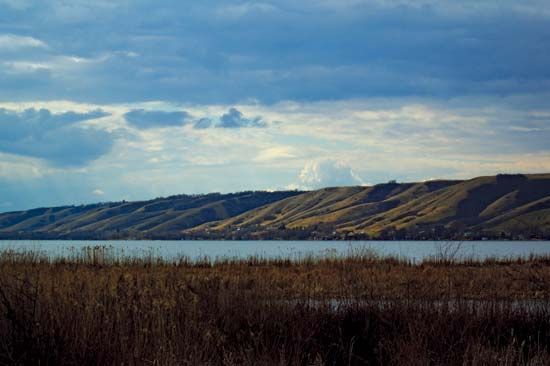
The Qu’Appelle River is a 270-mile (430-km) tributary of the Assiniboine River located in southern Saskatchewan and southwestern Manitoba, Canada.
What is Qu’Appelle River?
The Qu’Appelle River is a 270-mile (430-km) tributary of the Assiniboine River located in southern Saskatchewan and southwestern Manitoba, Canada.12
Originating near The Elbow and Lake Diefenbaker northwest of Moose Jaw, the river flows eastward through various lakes and First Nations reservations before meeting the Assiniboine near the provincial border. Its name is a French translation of the Cree term Kah-tep-was, meaning “River That Calls,” which stems from a legend regarding a spirit haunting the water.1
Historically a region for fur trapping, the river basin is now a significant area for wheat farming. Major cities such as Regina and Moose Jaw are situated on its tributaries, Wascana and Moose Jaw creeks, respectively.12
What is the legend behind the name Qu’Appelle?
The name Qu’Appelle is a French translation of the Cree term Kah-tep-was, which translates to “River That Calls.”1
This name originates from a local legend concerning a spirit that was said to haunt the waters of the river. According to the folklore, the spirit would emit mysterious cries or calls that could be heard by those traveling near the riverbanks. The French name, Qu’Appelle, literally translates to “who calls,” serving as a direct reflection of this traditional indigenous account.1
How does the Assiniboine River connect to the Red River?
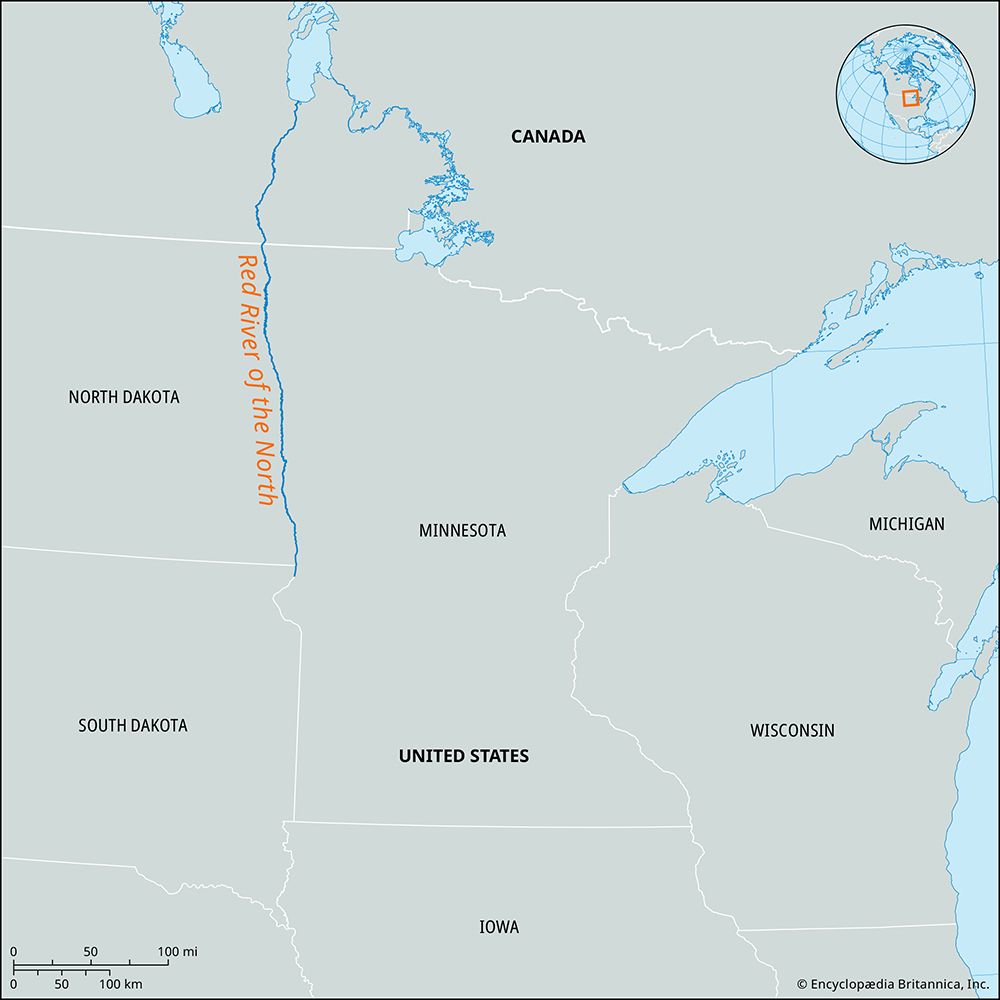
The Assiniboine River connects to the Red River at a confluence located in Winnipeg, Manitoba.
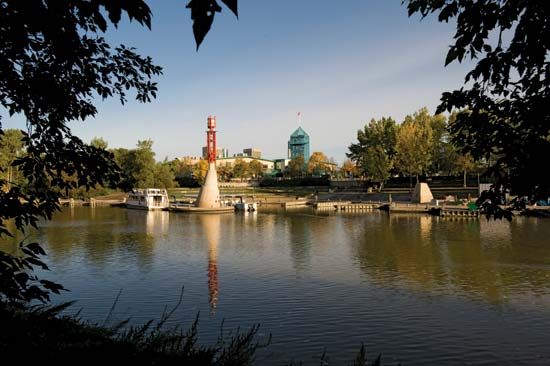
After flowing 665 miles (1,070 km) from its source in eastern Saskatchewan, the Assiniboine travels eastward through the lowlands formed by the ancient glacial Lake Agassiz before meeting the Red River. This specific meeting point is commemorated today at The Forks National Historic Site, which highlights the area’s long-standing significance in the history of the Canadian West.24
What role did the fur trade play in the history of Saskatchewan?
The fur trade was the foundational extractive industry in Saskatchewan, shaping its early economy and social structure long before it became a province in 1905.56
Economic and Social Impact
From the outset, the region’s economy relied on the exploitation of natural resources, with furs serving as the primary driver. The trade facilitated the arrival of European explorers, such as Henry Kelsey, and led to the establishment of inland trading posts like Cumberland House in 1774. Until the mid-19th century, the population consisted largely of First Nations people, Métis, and European traders and missionaries who were deeply integrated into the fur and provisioning trade.567
Corporate Rivalry and Transition
The territory was dominated by the Hudson’s Bay Company and its chief rival, the North West Company. Their intense competition for control over the region’s river systems—including the Saskatchewan River—eventually led to their merger in 1821.687
As the fur trade declined, the Métis and First Nations peoples faced severe hardship, exacerbated by the disappearance of the bison and the encroachment of settlers. This economic shift was a significant factor in the social unrest that culminated in the North-West Rebellion of 1885.96
Sources
- Qu’Appelle River — Encyclopædia Britannica
- Assiniboine River — Encyclopædia Britannica
- Qu'Appelle — Merriam-Webster
- Winnipeg — Encyclopædia Britannica
- Saskatchewan - Origins — Encyclopædia Britannica
- Saskatchewan - History of Saskatchewan — Encyclopædia Britannica
- Saskatchewan - Settlement patterns — Encyclopædia Britannica
- North West Company — Encyclopædia Britannica
- Hudson’s Bay Company — Encyclopædia Britannica
- North-West Rebellion - Disaffected peoples — Encyclopædia Britannica
Published on · 2 min read