Red River of the North
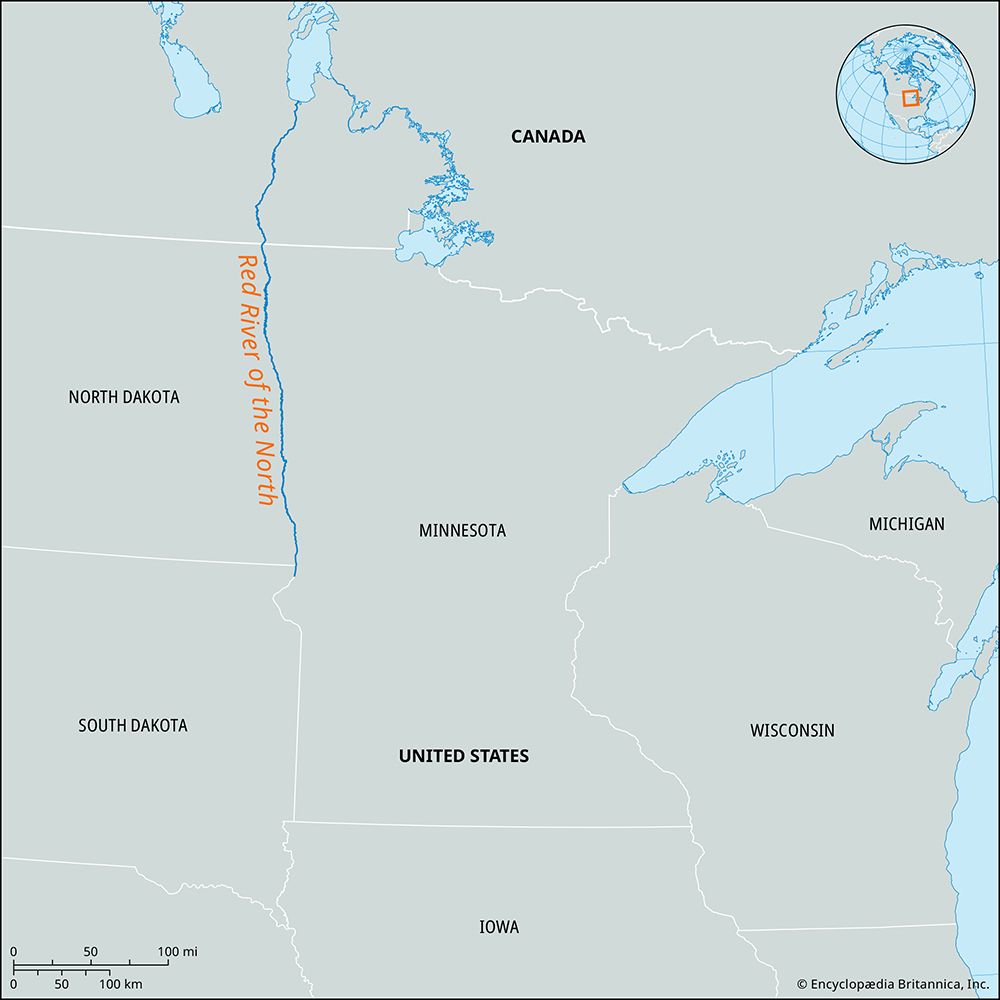
The Red River of the North serves as a vital geographic boundary between North Dakota and Minnesota, as well as a significant waterway flowing into Manitoba…
Are there any notable bridges or crossings along the Red River of the North, and what is their importance?
The Red River of the North serves as a vital geographic boundary between North Dakota and Minnesota, as well as a significant waterway flowing into Manitoba, Canada. While the river is historically significant as a transportation link and a center for agriculture, the provided records do not contain specific information regarding notable bridges or individual crossings along its course.1
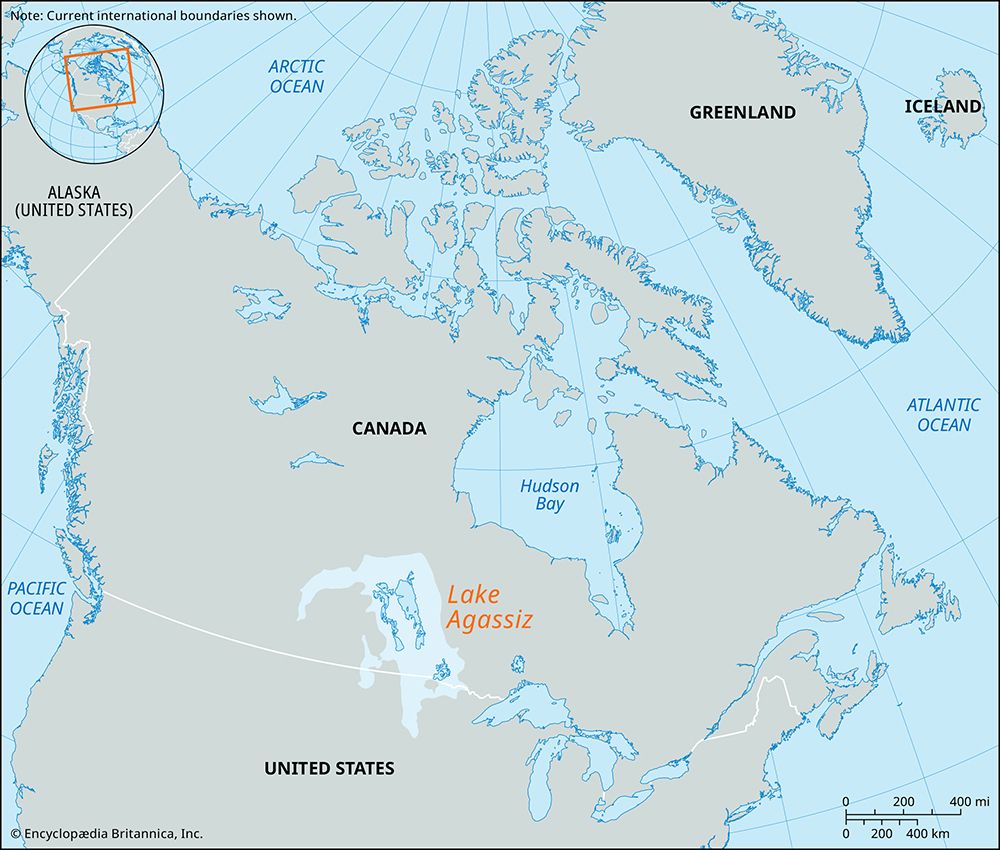
The river’s importance is primarily defined by its role in regional commerce, its fertile valley—formed by the ancient glacial Lake Agassiz—and its navigation systems, which include locks near the river’s mouth that allow ships to reach major cities such as Winnipeg, Grand Forks, and Fargo. These cities are central to the region’s economy, which relies heavily on the production of spring wheat, sugar beets, and livestock. Additionally, the river’s history is marked by significant environmental challenges, most notably the devastating flooding in 1997 that impacted communities like Grand Forks and East Grand Forks.1
What are the major tributaries of the Red River of the North?
The Red River of the North is formed by the confluence of the Bois de Sioux and Otter Tail rivers. Its major tributaries include the following:
- Wild Rice River
- Sheyenne River
- Pembina River
- Assiniboine River
These rivers contribute to the drainage basin of the Red River of the North, which covers approximately 40,200 square miles as it flows northward toward Lake Winnipeg.1
How does the Red River of the North impact agriculture in the surrounding region?
The Red River of the North is a cornerstone of agriculture in the northern United States and southern Manitoba, primarily due to the unique geological history of its valley. The region was once the floor of the ancient glacial Lake Agassiz, which left behind deep deposits of fine, claylike silt-loam sediments. These nutrient-rich soils, specifically Chernozem, have created one of the most fertile farming regions in North America.156
Agriculture in the valley is highly productive, dominated by vast acreages of spring wheat and sugar beets. The region also supports the cultivation of various cereals, potatoes, and the raising of livestock. The fertility of this land was recognized as early as 1811 with the founding of the Red River Settlement, an agricultural colony established near present-day Winnipeg.1
While the river provides the foundation for this agricultural success, it also presents risks; the same low-lying valley that benefits from glacial deposits is susceptible to severe flooding, which can cause significant devastation to surrounding farmland and communities.1
What role did the Red River of the North play in early European exploration and settlement?
The Red River of the North played a pivotal role in early European exploration and the development of the North American fur trade. Following its exploration by the French voyageur Pierre Gaultier de Varennes et de La Vérendrye in 1732–33, the river became a vital transportation link connecting the Lake Winnipeg region to the Mississippi River system.1
The river valley served as a primary theater for the intense, often violent competition between the Hudson’s Bay Company and the North West Company. While the French established early posts like Fort Rouge, the North West Company later utilized the river’s canoe routes to facilitate trade with First Nations and the Métis10.
The river’s significance shifted toward settlement in 1811 when Thomas Douglas, 5th earl of Selkirk, established the Red River Settlement. This agricultural colony, situated across the North West Company’s supply lines, became a flashpoint for conflict, culminating in the Seven Oaks Massacre of 1816. These tensions ultimately forced the merger of the two rival fur-trading companies in 1821.8910
Sources
- Red River of the North — Encyclopædia Britannica
- Red River — Encyclopædia Britannica
- Red River — Encyclopædia Britannica
- South Dakota - Drainage — Encyclopædia Britannica
- Lake Agassiz — Encyclopædia Britannica
- North Dakota - Drainage and soils — Encyclopædia Britannica
- Vietnam - Soils — Encyclopædia Britannica
- Red River Settlement — Encyclopædia Britannica
- North West Company — Encyclopædia Britannica
- Manitoba - The fur trade era — Encyclopædia Britannica
- Canada - The Montreal fur traders — Encyclopædia Britannica
Published on · 3 min read