Raccoon
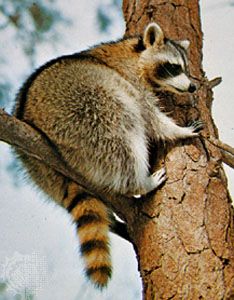
The North American raccoon (Procyon lotor) is widely distributed, ranging from northern Canada and most of the United States southward into South America.
Where are raccoons typically found in the wild, and what habitats do they prefer?
The North American raccoon (Procyon lotor) is widely distributed, ranging from northern Canada and most of the United States southward into South America.1
In the wild, these mammals are highly adaptable and inhabit a diverse array of environments, including various forest and grassland ecosystems. They show a strong preference for areas in close proximity to water, as they are proficient swimmers and frequently forage for food near aquatic sources. When seeking shelter, they typically den in hollow trees, logs, riverbanks, or abandoned beaver lodges.12
While they thrive in natural settings, raccoons are also remarkably successful at adapting to human-altered landscapes, including towns and cities, where they often den in buildings and utilize human-provided food sources.12

What is the diet of raccoons, and how does their diet change with seasons?
Although raccoons are classified as carnivores, they are actually omnivorous animals with a highly varied diet. They feed on a wide range of items, including crayfish and other arthropods, rodents, frogs, fruit, and various plant matter, such as agricultural crops.1
Their dietary habits are closely tied to seasonal changes and survival strategies:
- Late Summer and Autumn: During this period, raccoons focus on accumulating significant body fat. They often double their springtime body weight to ensure they have enough energy reserves to survive the winter.1
- Winter: To overcome food shortages during colder months, raccoons enter a state of dormancy. Depending on the latitude, this period can last from a few days in the south to four to six months in northern regions.1
- Human-Altered Environments: In urban or town settings, raccoons are opportunistic feeders, thriving on a diet that includes garbage, pet food, and other human-provided items.1
How do raccoons interact with humans, and what challenges do they pose in urban environments?
Raccoons are highly intelligent and inquisitive animals that have demonstrated a remarkable ability to adapt to human presence. In urban and suburban environments, they frequently den in buildings and exploit human-provided food sources, such as garbage and pet food. Because food availability is the primary factor influencing their population density, cities often support higher concentrations of raccoons than wild habitats.12
However, this proximity to humans creates several challenges:
- Nuisance and Damage: Due to their fondness for crops, eggs, and household waste, raccoons are often considered unwelcome pests in residential areas.1
- Disease Transmission: Raccoons are significant vectors for diseases, most notably rabies, as well as canine distemper and parvovirus. In the eastern United States, they became the most frequent carrier of rabies in 1997, leading to public health efforts such as the distribution of vaccine-laden bait.1
- Human-Wildlife Conflict: While they are resilient, most raccoon deaths are caused by human activity and disease rather than natural predation.1
How long do raccoons typically live, and what are their main predators in the wild?
In the wild, raccoons typically have a short lifespan, with few individuals surviving beyond five years of age. In contrast, they can live up to 20 years when kept in captivity.1
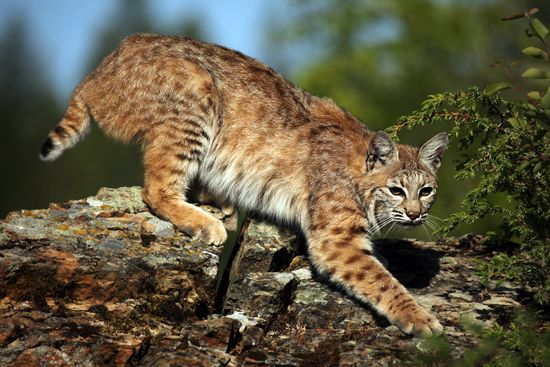
While raccoons are known for their large size and vigorous defense, which sometimes allows them to fend off predators such as bobcats, coyotes, and mountain lions, these animals are not their primary cause of mortality. Most raccoon deaths are actually attributed to human activity and various diseases, particularly canine distemper, parvovirus, and rabies.1
Sources
- raccoon — Encyclopædia Britannica
- raccoon: Top Questions — Encyclopædia Britannica
Published on · 3 min read