Carnivore
The mammalian order Carnivora is defined by specific structural characteristics rather than a strictly meat-based diet, as many members are omnivorous. Key…
What are the defining characteristics of carnivores in the mammal order?
The mammalian order Carnivora is defined by specific structural characteristics rather than a strictly meat-based diet, as many members are omnivorous. Key defining features include:12
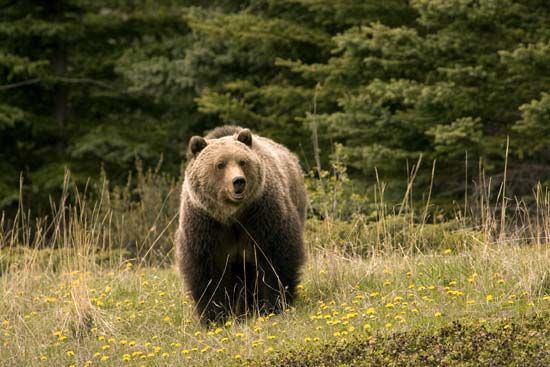
- Dentition: Most carnivores possess specialized shearing teeth called carnassials, typically formed by the fourth upper premolar and first lower molar, which function like scissors to slice meat. While highly carnivorous species like cats have well-developed carnassials, omnivorous members like bears show little to no modification for shearing.1
- Jaw Structure: The lower jaw articulates with the skull via a half-cylindrical hinge, restricting movement primarily to a vertical plane, which provides the strength necessary for gripping and slicing prey.1
- Skeletal Adaptations: The clavicles are either reduced or absent and are not articulated with other bones. This allows for greater flexibility in the shoulder region and protects the bones from breaking when the animal springs on prey.1
- Digestive System: Because animal tissue is generally easier to digest than plant matter, carnivores typically have a simple, non-compartmentalized stomach and a reduced or absent cecum.1
What are some unique physical adaptations that carnivores have developed for hunting and eating meat?
Mammals in the order Carnivora have evolved a suite of physical adaptations that facilitate the hunting, capturing, and processing of animal prey.
Hunting and Capture Adaptations
- Skeletal Flexibility: Many carnivores possess reduced or absent clavicles that are not articulated with other bones. This allows for greater shoulder mobility and prevents bone breakage when the animal springs onto its prey.14
- Powerful Locomotion: Predators often feature well-developed hind legs and strong back muscles, which provide the necessary force for sprinting and leaping during a hunt.4
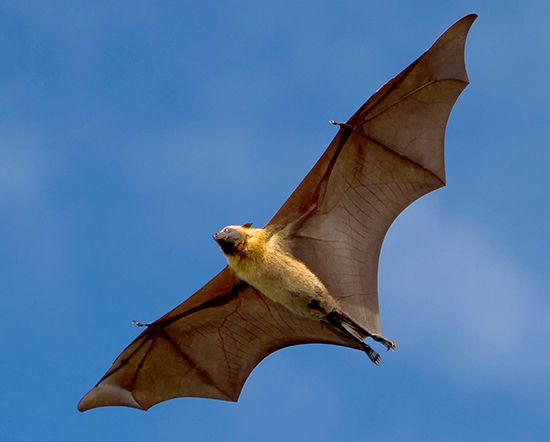
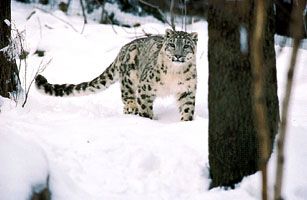
- Sensory Specializations: Predators rely on highly developed senses to locate prey. For example, many cats have large eyes with a tapetum lucidum, a reflective layer that enhances night vision. Other mammals, such as bats, utilize echolocation to navigate and track prey in the dark.47
Feeding and Digestive Adaptations
- Specialized Dentition: Most carnivores possess strong, pointed canines for stabbing and anchoring prey. Many also feature carnassials—specialized shearing teeth formed by the fourth upper premolar and first lower molar—which act like scissors to slice through tough meat and sinew.14
- Jaw Mechanics: The lower jaw is structured as a half-cylindrical hinge, which restricts lateral movement and ensures a powerful, vertical “viselike” grip for holding and slicing prey.14
- Digestive Efficiency: Because animal tissue is relatively easy to digest, carnivores typically have a simple, non-compartmentalized stomach and a reduced or absent cecum. This allows for a shorter, more efficient digestive tract compared to herbivores.148
How do carnivores’ hunting strategies vary among different species?
Hunting strategies among mammals in the order Carnivora vary significantly based on social structure, habitat, and sensory specialization. These strategies generally fall into two primary categories: solitary hunting and group hunting.11
Solitary Hunting
Many carnivores, including most cats, bears, and mustelids, are solitary hunters. These predators often rely on stealth and ambush techniques. For example, lions—though social—often stalk prey from cover before launching a short, rapid burst of speed to close the distance. Solitary hunters frequently utilize concealing coloration to mask their presence, allowing them to get close enough to capture prey before it can escape.121310
Group Hunting
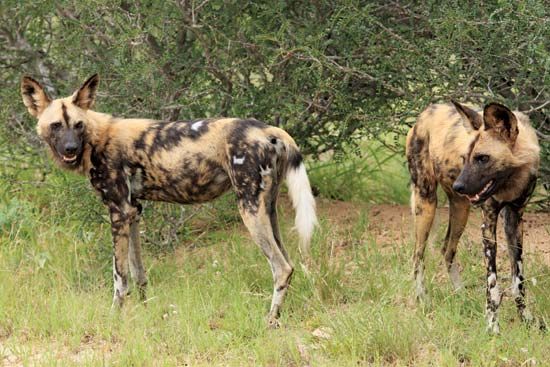
Other species, such as wolves, African hunting dogs, and dholes, hunt in packs or bands. Group hunting allows these animals to coordinate their movements, such as encircling a herd or approaching from opposite directions to drive prey into a vulnerable position. This cooperative behavior can increase hunting efficiency, particularly when targeting large or high-density prey populations.12131114
Aquatic Strategies
Pinnipeds—which include seals, sea lions, and walruses—are specialized aquatic predators. While they may be solitary or gregarious, they are primarily visual hunters that use excellent underwater hearing and sensitive whiskers to detect and capture fish, crustaceans, and other marine life in open water.15
What roles do carnivores play in their ecosystems and food chains?
Carnivores play a vital role in maintaining the “balance of nature” by occupying the highest trophic level in their ecosystems. As apex predators, they serve as the final destination for energy flow within a biological community.1819
Ecological Regulation
- Population Control: By preying on herbivores, carnivores keep prey populations within the carrying capacity of their food supply. This ensures that surviving prey are better fed and less susceptible to disease.18
- Trophic Cascades: The presence or removal of top carnivores can trigger a trophic cascade, causing reciprocal changes in populations throughout the food chain. For example, the removal of wolves can lead to an overabundance of deer, which in turn depletes plant biomass.20
- Mesopredator Regulation: Top carnivores often suppress the populations of smaller, medium-sized predators (mesopredators). When top predators are removed, these mesopredators may undergo “mesopredator release,” rapidly increasing in number and potentially causing further ecological imbalances.20
Habitat and Environmental Impact
Beyond hunting, many carnivores contribute to ecosystem health by digging dens and burrows. These structures provide refuge for other wildlife, while the act of digging helps mix soil and reduce water runoff.18
Sources
- carnivore - Form and function — Encyclopædia Britannica
- carnivore - Distinguishing taxonomic features — Encyclopædia Britannica
- carnivore — Encyclopædia Britannica
- feline - Form and function — Encyclopædia Britannica
- primate - Teeth — Encyclopædia Britannica
- canine - Paleontology and classification — Encyclopædia Britannica
- Animal - Digestion — Encyclopædia Britannica
- carnivore — Encyclopædia Britannica
- mammal - Digestive system — Encyclopædia Britannica
- Predation — Encyclopædia Britannica
- lion - Hunting — Encyclopædia Britannica
- carnivore - Behaviour — Encyclopædia Britannica
- lion - Prides — Encyclopædia Britannica
- pinniped — Encyclopædia Britannica
- Enaliarctos — Encyclopædia Britannica
- concealing coloration — Encyclopædia Britannica
- problem solving — Encyclopædia Britannica
- apex predator — Encyclopædia Britannica
- trophic cascade — Encyclopædia Britannica
- carnivore - Distribution and abundance — Encyclopædia Britannica
- carnivore - Importance of Carnivora — Encyclopædia Britannica
Published on · 4 min read