Radish
The radish (Raphanus sativus) is a versatile vegetable in the Brassicaceae family, valued globally for its crunchy texture and peppery flavor, which arises…
How are radishes used in different cuisines around the world?
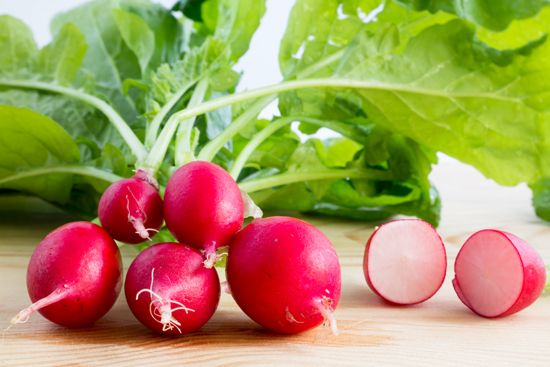
The radish (Raphanus sativus) is a versatile vegetable in the Brassicaceae family, valued globally for its crunchy texture and peppery flavor, which arises from chemical compounds called glucosinolates.12
Across various cuisines, radishes are prepared in several ways:
- Raw: Common varieties are frequently eaten raw, providing a crisp, refreshing addition to salads or serving as a garnish.13
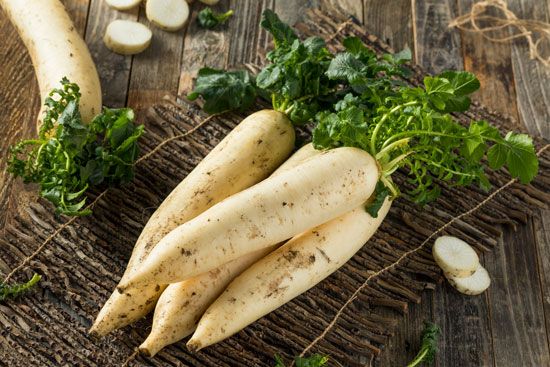
- Pickled: Pickling is a popular preservation method. For example, the Korean condiment muuch’ae kimchi utilizes the large daikon radish, which is seasoned and fermented to create a spicy side dish.3
- Cooked: Radishes can be sautéed or incorporated into stews. In Japanese cuisine, daikon is often simmered with rice and fish stock.13
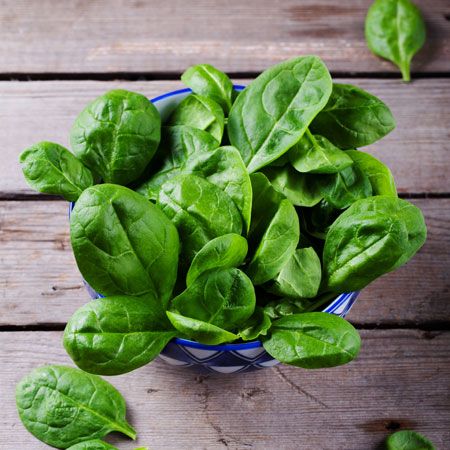
- Versatile Parts: Beyond the root, young radish leaves can be prepared similarly to spinach, and young fruits are also edible, often enjoyed raw or sautéed.1
Daikon, a staple in East Asian cookery, is particularly prized for its size and mild sweetness, often appearing in stir-fries or grated as a traditional accompaniment to sashimi.3
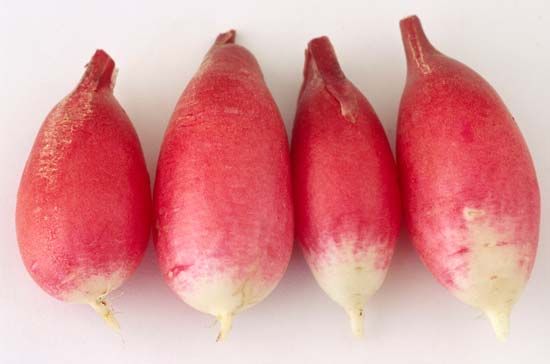
What part of the radish plant do we typically eat, and are other parts edible?
The radish (Raphanus sativus) is primarily cultivated for its succulent taproot, which is the part most commonly consumed in cuisines worldwide. This root is prized for its crunchy texture and can be enjoyed raw, pickled, or cooked.13
However, other parts of the plant are also edible:
- Leaves: The young leaves of the radish plant can be harvested and prepared in a manner similar to spinach.1
- Fruits: The young fruits of the plant are also edible and are frequently enjoyed either raw or sautéed.1
Whether you are using the common radish or the large daikon variety, the entire plant offers various culinary applications beyond just the root.13
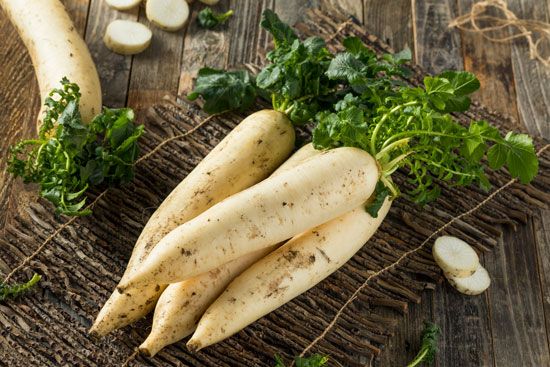
What is the origin of radishes and how did they spread around the world?
The domestic radish (Raphanus sativus) is believed to have originated in either Asia or the Mediterranean region. While the exact historical path of its global spread is complex, it is widely considered to be closely related to the wild radish (Raphanus raphanistrum), a plant native to Eurasia that is often cited by authorities as its potential ancestor.41
Because the two species can readily hybridize, the cultivation of the domestic radish likely evolved alongside human agricultural expansion across these regions. Today, the radish is a globally cultivated crop, ranging from small, quick-growing varieties popular in Europe and the Americas to the large, cylindrical daikon radish, which is a staple of East Asian cuisine. Its ability to adapt to various climates has allowed it to become a common garden and agricultural plant worldwide.145
Why do radishes taste spicy compared to chili peppers?
It is a common misconception that radishes and chili peppers share the same type of “heat.” In reality, they produce their pungent sensations through entirely different chemical mechanisms.
The sharp, peppery bite of a radish is caused by glucosinolates. When you bite or crush a radish, an enzyme called myrosinase converts these compounds into pungent isothiocyanates. These chemicals stimulate sensory receptors in the nose and mouth, creating a sharp, stinging sensation that often affects the nasal passages.2
In contrast, the fiery heat of chili peppers is caused by a compound called capsaicin. Unlike the volatile isothiocyanates in radishes, capsaicin binds directly to heat-sensing receptors on the tongue, creating a sensation of actual burning that is distinct from the nasal-clearing pungency of the Brassicaceae family.2
Sources
- Radish — Encyclopædia Britannica
- Why do radishes taste spicy? — Encyclopædia Britannica
- Daikon — Encyclopædia Britannica
- wild radish — Encyclopædia Britannica
- daikon — Merriam-Webster
Published on · 3 min read