Spinach
Spinach (Spinacia oleracea) is a hardy, leafy annual vegetable belonging to the Amaranthaceae family. Widely cultivated in the United States and northern…
What is spinach?
Spinach (Spinacia oleracea) is a hardy, leafy annual vegetable belonging to the Amaranthaceae family. Widely cultivated in the United States and northern Europe, it is consumed fresh, canned, or frozen. The plant is valued for its nutritional profile, particularly its content of iron and vitamins A and C.1
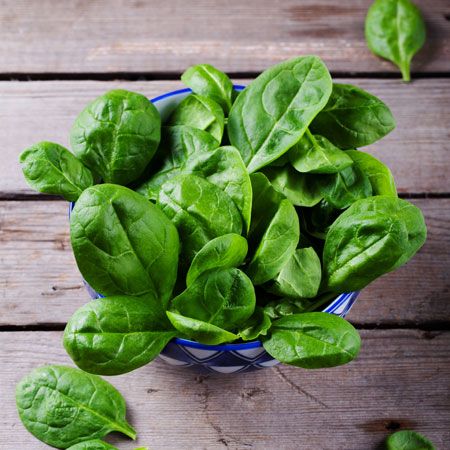
Physically, spinach features a rosette of triangular or ovate leaves that can be flat or puckered. It thrives in cool weather and requires well-limed soil for optimal growth. While nutritious, spinach leaves contain oxalates, which may contribute to kidney stones if consumed in excess; however, cooking methods like steaming or boiling can help reduce these levels.1
Various other plants are colloquially referred to as “spinach,” including unrelated species like Malabar spinach and water spinach, which are often prepared similarly.1
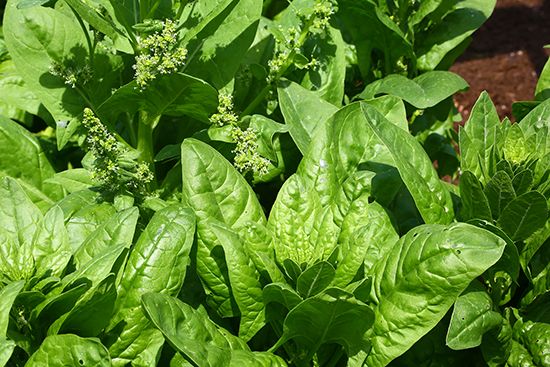
What does a spinach plant look like?
The spinach plant (Spinacia oleracea) is characterized by a specific growth pattern and leaf structure:
- Leaf Arrangement: The edible leaves grow in a rosette formation, from which a seed stalk eventually emerges.1
- Leaf Shape and Texture: The simple leaves are typically triangular or ovate in shape. Their surface can be either flat or puckered.1
- Flowers and Fruit: The plant produces inconspicuous flowers that develop into small, dry fruits. that develop into small, dry fruits.1
To achieve maximum leaf area, the plant requires cool weather and deep, rich, well-limed soil.1
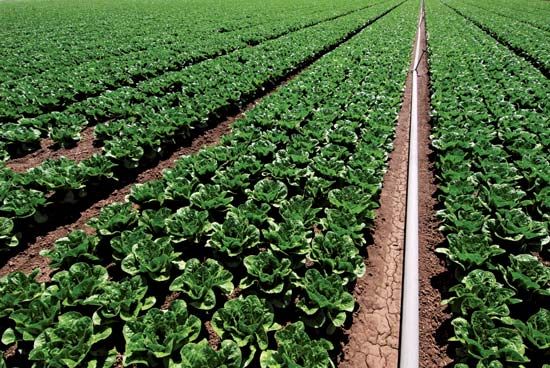
Where does spinach usually grow?
Spinach (Spinacia oleracea) is widely cultivated in northern Europe and the United States.1
To thrive and achieve maximum leaf area, the plant requires specific environmental conditions:
- Climate: It is a cool-weather crop. It can be sown from early spring through late summer, with late-season plantings often yielding crops in the autumn that can persist through the winter in milder climates.1
- Soil: The plant requires deep, rich, and well-limed soil to support quick growth.1
While true spinach is a specific species, many other plants referred to as “spinach” are grown in diverse regions globally, such as Lagos spinach in West Africa, longevity spinach in Asia and Africa, and Okinawan spinach in East Asia.1
How is spinach planted and harvested?
Spinach (Spinacia oleracea) is a hardy annual that thrives in cool weather and deep, rich, well-limed soil.
Planting
To ensure a continuous supply, seeds can be sown every two weeks from early spring through late summer. The seeds are typically planted in rows spaced 30 cm (12 inches) apart. Once the seedlings emerge, they should be thinned within the row to allow for proper development and maximum leaf area. Late-season sowings are particularly effective, as they produce young plants that yield a harvest in the autumn and can often survive the winter to provide fresh leaves in early spring.1
Harvesting
While the provided information focuses on the cultivation cycle, harvesting typically involves gathering the leaves once they reach the desired size. Younger leaves are often harvested and marketed as “baby spinach,” while more mature leaves are collected as the plant continues to grow in its rosette formation before the seed stalk emerges.1
Sources
- Spinach — Encyclopædia Britannica
Published on · 2 min read