Chili Pepper
A chili pepper is any of several pungent, hot-tasting cultivars of peppers belonging to the Solanaceae (nightshade) family. Native to the Americas, these…
What is chili pepper?
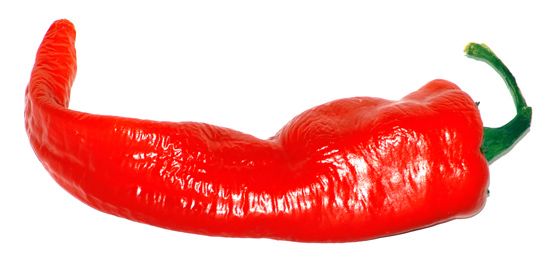
A chili pepper is any of several pungent, hot-tasting cultivars of peppers belonging to the Solanaceae (nightshade) family. Native to the Americas, these plants are members of the genus Capsicum.1
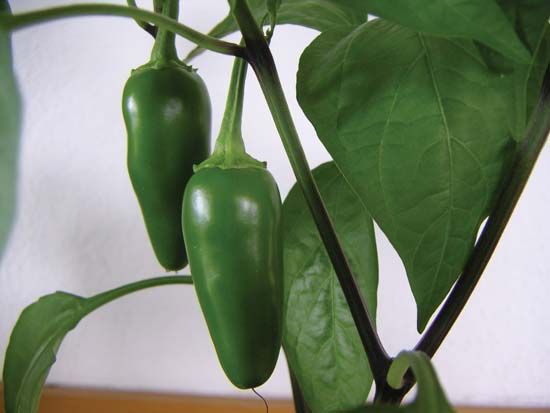
Their characteristic heat and pungency are derived from capsaicin, a chemical compound that produces a burning sensation. This intensity is measured using the Scoville scale, with varieties ranging from mild peppers like the jalapeño to extremely hot cultivars such as the ghost pepper and the current record-holder, Pepper X pepper](https://www.britannica.com/plant/ghost-pepper) and the current record-holder, Pepper X.12
Chili peppers are used globally in fresh or dried forms to flavor various dishes, including curry and hot sauces. Beyond culinary use, capsaicin has been studied for its potential health benefits, including applications in treating pain and managing various medical conditions.12
How does the Scoville scale measure the heat of a pepper?
The Scoville scale measures the heat of chili peppers by quantifying the concentration of capsaicin, the chemical compound responsible for their pungency.
To determine the Scoville Heat Units (SHU), an exact amount of dried, ground pepper is mixed with alcohol to extract the capsaicinoids. This extract is then methodically diluted in sugar water until a panel of trained human testers can no longer detect any heat. The number of dilutions required to reach this point determines the SHU rating. Because the process relies on human sensory perception, it is inherently subjective and can be influenced by tester fatigue or natural variations in the pepper itself.3
The scale is linear, meaning a pepper with a higher SHU is proportionally hotter than one with a lower value. For instance, a 350,000-SHU habanero is 100 times hotter than a 3,500-SHU jalapeño.3
What is the role of capsaicin in the plant’s survival?
The provided search results do not contain information regarding the role of capsaicin in a plant’s survival or its evolutionary purpose. While the articles detail the chemical properties of capsaicin, its measurement on the Scoville scale, and its various culinary and medicinal applications, they do not address the biological or ecological function of the compound for the pepper plant itself.
What are some other plants in the nightshade family?
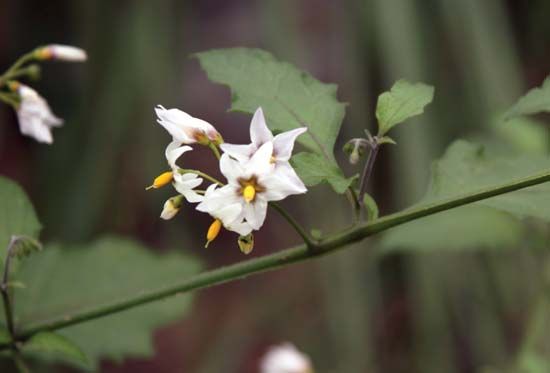
The Solanaceae family, commonly known as the nightshade or potato family, encompasses more than 100 genera and approximately 2,280 species. While the term “nightshade” is often associated with poisonous plants, the family includes a diverse range of economically and culturally significant species, including essential food crops, ornamental plants, and pharmaceutical sources.67
Notable members of the Solanaceae family include:
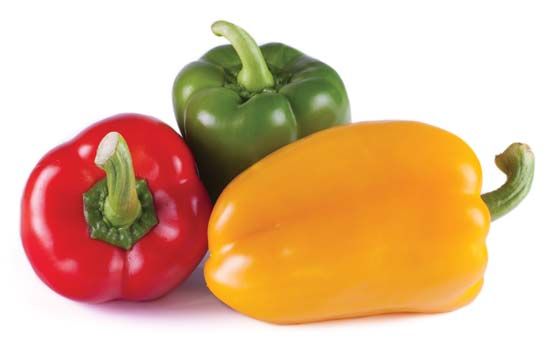
- Food Crops: Potato, tomato, eggplant, and various peppers (such as bell pepper, chili pepper, and cayenne pepper)6.8
- Pharmaceutical and Toxic Plants: Belladonna, henbane, jimsonweed, and mandrake.68
- Ornamental Plants: Petunia, angel’s trumpet, and datura.68
- Other Notable Species: Tobacco, goji berry, tomatillo, and ashwagandha.6
Many species in this family are characterized by flowers with five petals, sepals, and stamens, and they often contain toxic alkaloids.69
Sources
- chili pepper — Encyclopædia Britannica
- habanero — Encyclopædia Britannica
- Scoville scale — Encyclopædia Britannica
- Capsaicin — Encyclopædia Britannica
- Pepper — Encyclopædia Britannica
- list of plants in the family Solanaceae — Encyclopædia Britannica
- Solanales - Family characteristics — Encyclopædia Britannica
- Nightshade — Encyclopædia Britannica
- list of economically important members of the family Solanaceae — Encyclopædia Britannica
Published on · 2 min read