Rafflesia
Rafflesia is a genus of approximately 42 species of parasitic plants native to Southeast Asia. These plants are endoparasites, meaning they lack traditional…
What is a rafflesia plant?
Rafflesia is a genus of approximately 42 species of parasitic plants native to Southeast Asia1. These plants are endoparasites, meaning they lack traditional leaves, roots, or stems and exist primarily as a network of threadlike cellular strands within the tissues of their host, the Tetrastigma vine.12
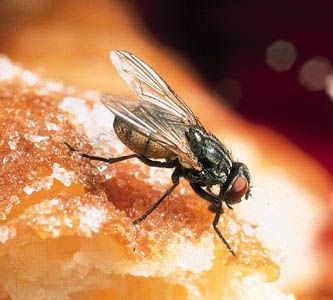
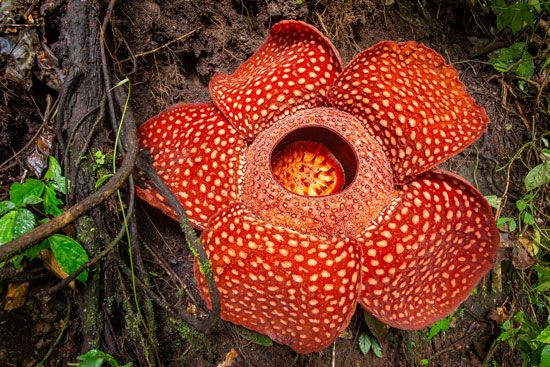
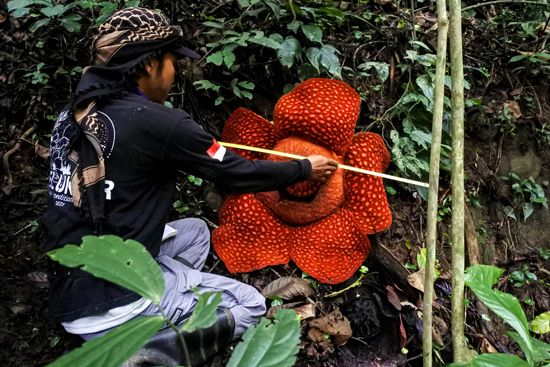
The plant is most famous for its flowers, which are the only part of the organism visible aboveground. Rafflesia arnoldii produces the largest individual flower in the world, which can measure nearly one meter across and weigh up to 11 kg. These flowers are sapromyiophilous, meaning they emit a fetid, carrion-like odor to attract flies for pollination.21
Due to their total dependence on host vines and the ongoing destruction of rainforest habitats, most Rafflesia species are rare and face a high risk of extinction1.1
Where can rafflesia plants be found?
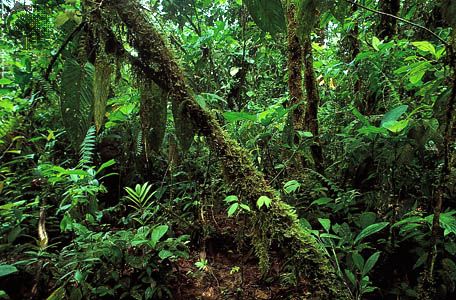
Rafflesia plants are native to Southeast Asia, where they exist as endoparasites living within the tissues of Tetrastigma vines. Because they are obligate parasites that lack traditional roots, stems, and leaves, their presence is restricted to the specific habitats where their host vines grow, primarily within rainforest environments.12
Specific populations are found in the forested mountains of Sumatra and Borneo, which are home to the giant R. arnoldii. Other species, such as R. magnifica, are found in the Philippines. Due to their complete dependence on host vines and the ongoing loss of their natural habitat, these plants are considered rare and are highly vulnerable to extinction rare and are highly vulnerable to extinction.12
What makes the rafflesia plant unique among flowers?
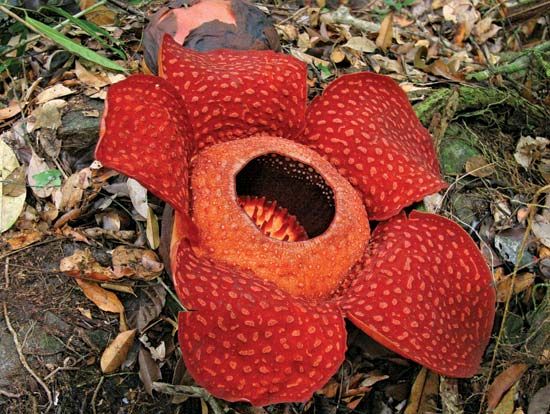
The Rafflesia plant is unique among flowers due to its extreme physiological adaptations as an endoparasite. Unlike typical plants, it lacks photosynthetic tissues, leaves, roots, and stems, existing instead as a network of threadlike strands within its host, the Tetrastigma vine1.
Key features that distinguish Rafflesia include:
- Record-breaking size: Rafflesia arnoldii produces the largest individual flower in the world, reaching nearly one meter in diameter and weighing up to 11 kg.1
- Unconventional pollination: The flowers are sapromyiophilous, meaning they attract carrion-feeding flies by mimicking the appearance of rotting flesh and emitting a fetid odor. Some species even generate heat to simulate the process of decomposition.1
- Reproductive constraints: Individual flowers are unisexual, requiring a male and female flower to bloom simultaneously for successful pollination.1
Because the plant is an obligate parasite, it cannot survive without its host, making it exceptionally difficult to cultivate and highly vulnerable to extinction as its rainforest habitat disappears.1
How does the rafflesia plant get its food if it doesn’t have leaves or roots?
The Rafflesia plant obtains its nutrition by acting as an obligate parasite that lives entirely within the tissues of its host, a tropical vine in the genus Tetrastigma.41
Because it has evolved to be a holoparasite, Rafflesia lacks traditional leaves, roots, and stems, and it does not perform photosynthesis. Instead, its vegetative body exists as a network of threadlike cellular strands embedded deep inside the host plant. To extract nutrients, the plant utilizes a specialized organ called a haustorium. This organ penetrates the host’s tissues and forms a vascular union, allowing the Rafflesia to siphon off water and nutrients directly from the host’s own supply. The plant remains hidden inside the vine until it is ready to emerge and produce its iconic, massive flower.1245
Sources
- rafflesia — Encyclopædia Britannica
- Rafflesiaceae — Encyclopædia Britannica
- rafflesia — Merriam-Webster
- parasitic plant — Encyclopædia Britannica
- Doting on Dodder — Encyclopædia Britannica
Published on · 3 min read