Raiatea
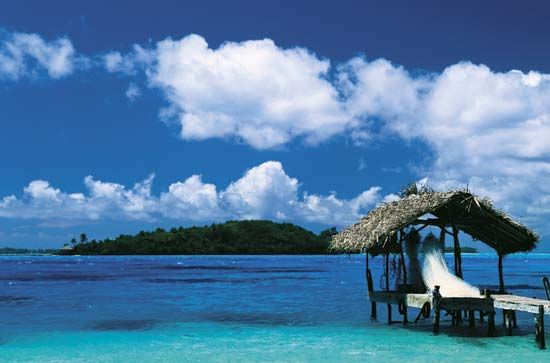
Raiatea is the largest island of the Îles Sous le Vent (Leeward Islands), which are part of the Society Islands in French Polynesia. Located in the central…
Where is Raiatea located within French Polynesia, and what are its main geographical features?
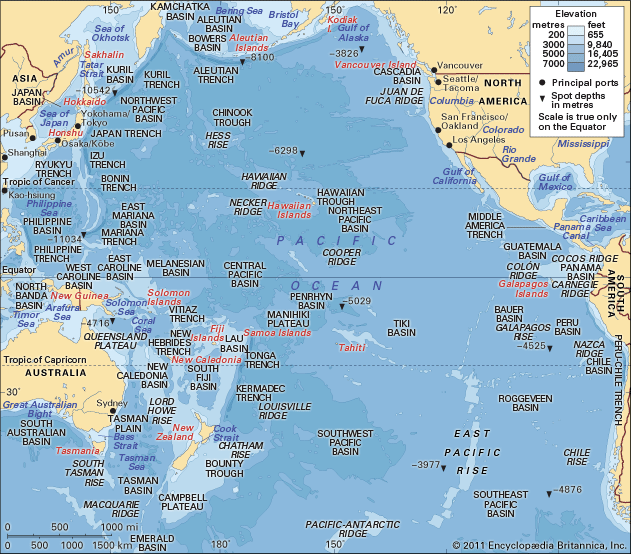
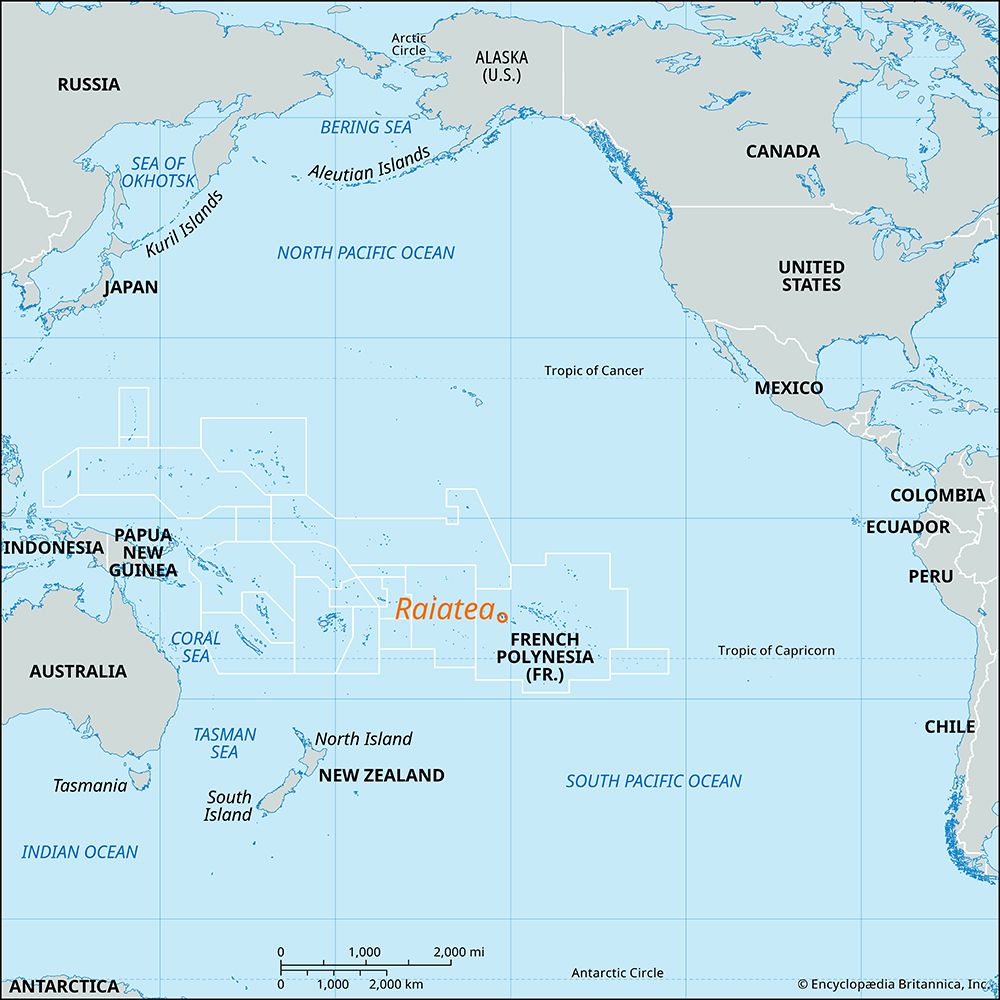
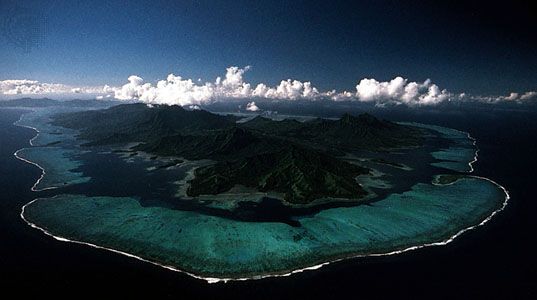
Raiatea is the largest island of the Îles Sous le Vent (Leeward Islands), which are part of the Society Islands in French Polynesia. Located in the central South Pacific Ocean, it serves as the second-largest island in the territory, covering an area of 92 square miles (238 square km).1
Geographically, Raiatea is a volcanic and mountainous island with peaks exceeding 3,000 feet (1,000 meters). It shares a common volcanic complex and a single barrier reef with its northern neighbor, Tahaa. The island features coastal plains suitable for agriculture, including the cultivation of coconut palms, vanilla, and other crops. Its landscape is characterized by eroded volcanic cones, high crests, and deep, radiating valleys that drop toward the coast. The chief settlement, Uturoa, acts as the administrative seat for the Leeward Islands.12
What are some traditional Polynesian customs or practices still observed on Raiatea?
Raiatea holds a profound place in Polynesian heritage, traditionally regarded by the Māori and other groups as the ancestral seat of learning and the point of origin from which eastern Polynesia was colonized.1
While colonial history and modernization have significantly altered daily life, there is a strong, ongoing effort to maintain and revive traditional customs across the region. Key practices observed in this cultural sphere include:
- Marae Worship: The Taputapuatea marae (a sacred place of worship) near Opoa remains a site of immense historical and cultural significance in Polynesian lore, serving as a physical connection to ancestral traditions.1
- Traditional Navigation: The ancient art of non-instrumental navigation over open seas, once nearly lost, has been revived. The construction and sailing of traditional double-hulled canoes, such as the Hokule’a, are used to train younger generations in ancestral seafaring and shipbuilding techniques.3
- Cultural Festivals: Regional events, such as the Festival of Pacific Arts, provide a vital venue for the perpetuation of traditional music, dance, and arts, helping to express and preserve indigenous identities.3
- Oral Traditions: Storytelling and the transmission of oral history remain central to maintaining indigenous belief systems and cultural values.3
How does the climate of Raiatea compare to other islands in French Polynesia?
The climate of Raiatea is consistent with the general tropical climate of French Polynesia, characterized as warm and humid with two distinct seasons: a warm, rainy season from November to April and a relatively cool, dry season from May to October.5
Because French Polynesia spans 20° of latitude, regional variations exist; however, as part of the Society Islands, Raiatea experiences the typical abundant precipitation of the group, which often falls in violent rainstorms. Like other high volcanic islands in the region, Raiatea’s elevated areas are frequently enveloped in heavy cloud formations, and its windward coasts generally receive higher levels of rainfall compared to leeward areas.52
While Raiatea shares this tropical profile with most of the territory, it differs from the Tubuai Islands to the south, which experience a cooler climate, and the Tuamotu Archipelago, which consists of low-lying atolls that lack the high-altitude relief that influences rainfall patterns on volcanic islands like Raiatea.52
What is the population of Raiatea, and how is it distributed across the island?
The provided search results do not contain specific, current population figures for the island of Raiatea. While the Îles Sous le Vent archipelago as a whole had a recorded population of 35,393 in 2017, the data does not provide a breakdown for Raiatea specifically.
Regarding population distribution, the island’s geography dictates where residents live. As a high, mountainous volcanic island, Raiatea features steep terrain and deep, radiating valleys that are generally unsuitable for habitation or large-scale planting. Consequently, human settlement is primarily concentrated along the narrow coastal strips and at the outlets of the island’s valleys. Uturoa, the administrative seat of the Leeward Islands, serves as the chief settlement and main port, acting as a central hub for the island’s population and light industry. Much of the remaining population resides in smaller villages situated along the coast.
Sources
- Raiatea — Encyclopædia Britannica
- French Polynesia - Relief — Encyclopædia Britannica
- Polynesian culture - Contemporary Polynesia — Encyclopædia Britannica
- Tahiti — Encyclopædia Britannica
- French Polynesia - Climate of French Polynesia — Encyclopædia Britannica
- Indian Ocean - Trade-winds zone — Encyclopædia Britannica
- Îles Sous le Vent — Encyclopædia Britannica
Published on · 3 min read