Polynesian Culture
In Polynesian culture, mythology and oral tradition serve as foundational pillars that organize social, religious, and historical life. These traditions…
What role does mythology and oral tradition play in Polynesian culture?
In Polynesian culture, mythology and oral tradition serve as foundational pillars that organize social, religious, and historical life. These traditions, encompassing genealogies, chants, legends, and spells, reflect a profound reverence for the past and provide a framework for understanding the universe.1
Social and Religious Function
Oral texts are deeply intertwined with the sociopolitical structure. Because power in Polynesia is often tied to chiefly office, oral traditions validate a leader’s authority by documenting their deeds and divine descent. These narratives, alongside complex genealogies, fix individuals within a hierarchical social order. Furthermore, religious life is permeated by the concept of mana—a sacred supernatural power—and tapu (prohibitions). Sacred chants and recitations were essential to religious worship, with strict requirements for accuracy to avoid supernatural punishment.213
Performance and Transmission
Oral literature is not merely spoken; it is a visual and performative art. Dance acts as an extension of poetry, where performers use stylized hand and arm movements to interpret myths and legends. While these traditions were historically passed down through generations, they were not static; oral reproduction allowed for a plurality of versions as performers adapted narratives to specific contexts.241
What are some of the key characteristics of Polynesian languages?
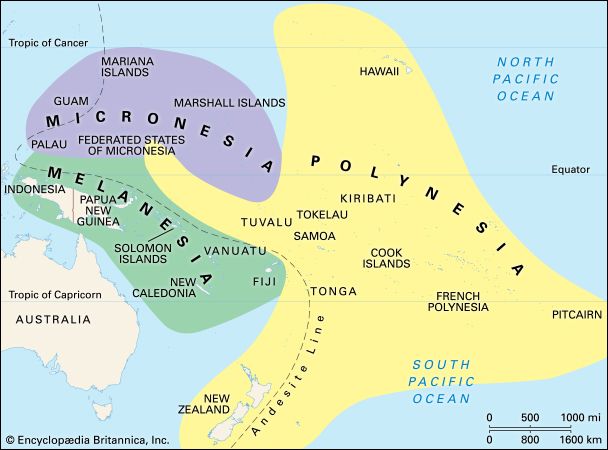
Polynesian languages, which comprise a group of about 30 languages within the Eastern, or Oceanic, branch of the Austronesian family, are characterized by a high degree of homogeneity. This consistency suggests they dispersed from a central area in Tonga and Samoa within the last 2,500 years.7
Key characteristics of these languages include:
- Phonology: They are notable for a scarcity of consonants and a heavy reliance on vowels. They distinguish between long and short forms of all vowels. Additionally, these languages typically feature open final syllables, often resulting from the historical loss of final consonants.78
- Grammar: A primary grammatical feature is the extensive use of particles. These are small, separate words that function as grammatical markers—similar to prepositions, conjunctions, or articles in English—and are placed before or after the words they modify.7
- Distribution: While spoken by fewer than 1,000,000 people across the Pacific, the group includes well-known languages such as Samoan, Maori, Tahitian, and Tongan7.
How has colonization and Western influence affected Polynesian cultures?
Western colonialism has profoundly and radically altered Polynesian cultures, disrupting indigenous traditions while simultaneously sparking modern efforts toward cultural revitalization.1011
Religious and Political Transformation
The arrival of missionaries in the late 18th and early 19th centuries led to the widespread adoption of Christianity, which became deeply integrated into island life. Missionaries often worked to dismantle traditional social structures by attacking the supernatural sanctions—such as the concept of mana—that supported indigenous leadership. In some areas, this resulted in the creation of “missionary kingdoms,” where chiefs consolidated power by adopting European-style legal codes and support.1012
Socioeconomic and Environmental Impact
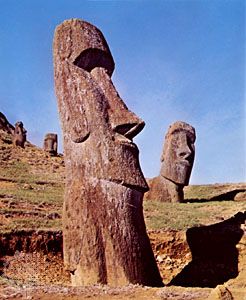
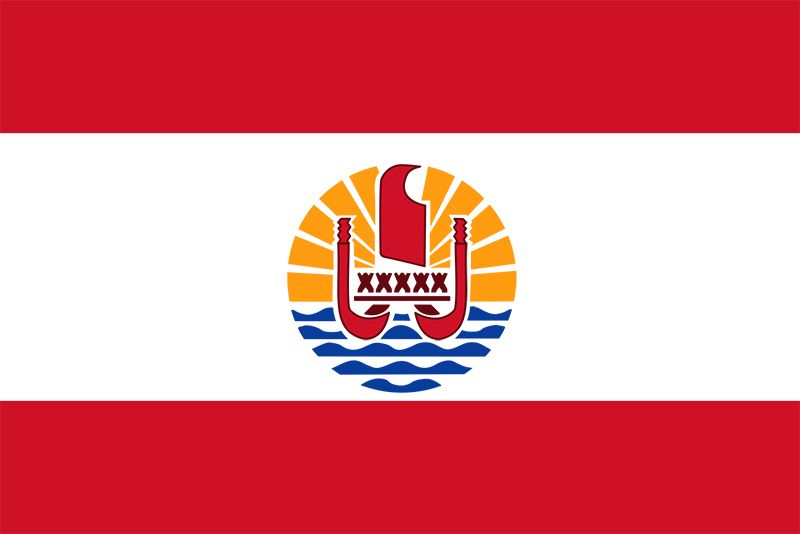
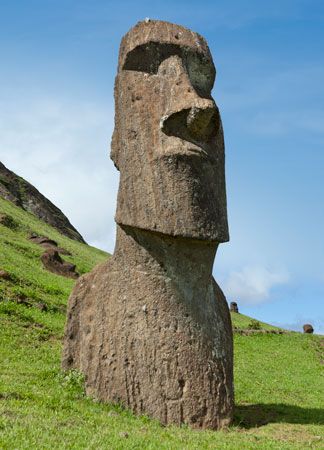
Colonial rule introduced significant disruptions, including the introduction of European diseases, which decimated populations like those on Easter Island. In the 20th century, French Polynesia was transformed into a nuclear test site, causing environmental damage and shifting local economies from self-sufficient subsistence to wage-based systems dependent on military presence.1011
Cultural Revitalization
Despite these pressures, Polynesians are actively maintaining their heritage. This includes:
- Language: The establishment of immersion schools has helped revive Māori and Hawaiian languages.11
- Arts and Navigation: The Festival of Pacific Arts and the revival of traditional noninstrumental navigation (such as the Hōkūleʻa voyages) serve as vital expressions of contemporary indigenous identity.11
- Literature: Since the 1960s, there has been an efflorescence of indigenous literature that explores the complexities of colonial relationships and modern identity.11
What are some important Polynesian cultural festivals and ceremonies?
Polynesian cultural life is marked by a rich history of ceremonies and festivals that serve to honor tradition, mark life milestones, and express contemporary indigenous identity.
Traditional Rites of Passage
Historically, Polynesian societies observed various rites of passage that varied by region but shared common themes. These ceremonies were essential for integrating individuals into the social and spiritual hierarchy:
- Birth: The birth of a child, especially a firstborn son of high status, was a significant event requiring rituals to announce the arrival to the community, ancestors, and gods.11
- Milestones: Ceremonies were held for the formal presentation of royal heirs, the completion of tattooing or ear piercing for high-status children, and the formal investiture of chiefs or priests.11
- Death: Rituals surrounding death were universal, with the level of extravagance often reflecting the status of the deceased. In some societies, these included elaborate feasts, gift exchanges, and ceremonies to deify departed leaders.11
Contemporary Festivals
Today, festivals act as vital vehicles for perpetuating arts, music, and dance while promoting Pacific values. Key events include:
- Festival of Pacific Arts: Founded in 1972 and held every four years, this major event is hosted by different countries to revive and celebrate regional arts and culture.15
- Local Festivals: These include the annual Heiva in Tahiti, the Teuila Festival in Samoa, and the Merrie Monarch Hula Competition in Hawaii.15
- Social Gatherings: Sports often function as community festivals. For example, kirikiti (a Samoan version of cricket) involves large teams and serves as a major social event characterized by singing, cheering, and communal feasting.6
Sources
- Oceanic literature - Polynesia and Micronesia — Encyclopædia Britannica
- Oceanic music and dance - Polynesia — Encyclopædia Britannica
- Oceanic literature - Melanesia — Encyclopædia Britannica
- Polynesian culture - Religion of Polynesian culture — Encyclopædia Britannica
- oral literature - Myth — Encyclopædia Britannica
- Polynesian culture - Traditional Polynesia — Encyclopædia Britannica
- Polynesian languages — Encyclopædia Britannica
- Austronesian languages - Early classification work — Encyclopædia Britannica
- Austronesian languages - Canonical shape — Encyclopædia Britannica
- Polynesian culture — Encyclopædia Britannica
- Polynesian culture - Contemporary Polynesia — Encyclopædia Britannica
- Pacific Islands - Missionary activity — Encyclopædia Britannica
- Pacific Islands - World War II and its aftermath — Encyclopædia Britannica
- Pacific Islands - Independence movements — Encyclopædia Britannica
- Polynesian culture - Socialization and education — Encyclopædia Britannica
- Samoa - Sports and recreation — Encyclopædia Britannica
Published on · 4 min read