Red Maple
The red maple (Acer rubrum) is characterized by its three- to five-lobed leaves that are notably paler on the underside. A defining feature of this species…
What are the unique characteristics of red maple leaves, and how do they change colors?
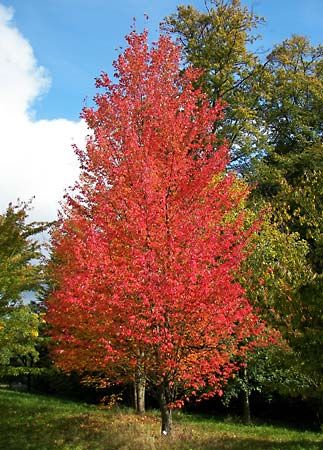
The red maple (Acer rubrum) is characterized by its three- to five-lobed leaves that are notably paler on the underside. A defining feature of this species is its consistent association with the color red, which manifests in its leaf stalks, winter buds, flowers, and its brilliant autumn foliage.1
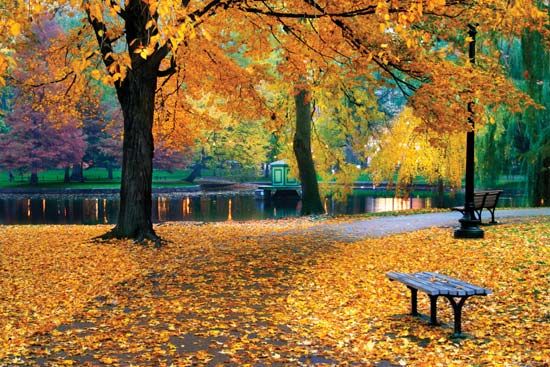
The transition of these leaves from green to vibrant red is a biological process triggered by the shortening days and cooling temperatures of autumn. During the growing season, leaves appear green due to chlorophyll, the pigment essential for photosynthesis. As the tree prepares for winter dormancy, chlorophyll production ceases and the existing pigment degrades.2
In red maples, this degradation reveals or allows for the accumulation of anthocyanins, pigments that produce deep red and purple hues. While other trees may reveal yellow or orange carotenoids as chlorophyll fades, the red maple is prized for its particularly intense red coloration.21
What are the ecological roles and importance of the red maple in its native habitats?
The red maple (Acer rubrum) plays a vital role in the ecosystems of eastern North America, serving as a significant food source for local wildlife. Its seeds are consumed by squirrels, while deer and rabbits rely on the tree’s young shoots and leaves for sustenance.1
Beyond its direct contributions to the food web, the red maple is highly valued for its ecological adaptability. It is capable of thriving in diverse conditions, including compact and wet soils, which allows it to support biodiversity in various environments. Furthermore, its resilience to city pollution makes it an important species for urban forestry, where it provides shade and contributes to the health of metropolitan ecosystems.1
Where is the red maple native to, and in what types of environments does it thrive?
The red maple (Acer rubrum) is native to eastern and central North America, where it is recognized as one of the most common tree species.14
Regarding its preferred environment, the red maple thrives primarily in moist soils. However, it is noted for its remarkable ecological adaptability, as it is also capable of tolerating compact, wet soil conditions. Because of this resilience, as well as its ability to withstand city pollution, the species is frequently utilized in urban environments for landscaping and shade.41
How is the red maple used by humans, both historically and in modern times?
The red maple (Acer rubrum) has been utilized by humans for centuries, with its first recorded use dating back to 1770. Its applications span both industrial and ornamental purposes:1
- Wood Products: The wood of the red maple is valued for its versatility and is commonly used in the manufacturing of furniture, flooring, and veneer. While it is lighter and softer than the wood of the sugar maple, it remains a significant resource for timber.415
- Food Production: The tree is a source of sap, which can be processed into maple syrup, although it is typically produced in smaller quantities compared to other maple species.45
- Landscaping and Urban Forestry: Due to its aesthetic appeal—characterized by its spectacular autumn foliage—and its high tolerance for city pollution and compact, wet soils, the red maple is widely cultivated as an ornamental tree. It is frequently planted in parks, along streets, and in residential landscapes, with various cultivated varieties selected for specific growth habits, such as pyramidal or columnar shapes.45
Sources
- red maple — Encyclopædia Britannica
- Why do leaves change colors in the fall? — Encyclopædia Britannica
- Color Words to Describe Autumn Leaves | Carnelian and Cornelian — Merriam-Webster
- red maple — Merriam-Webster
- maple — Encyclopædia Britannica
Published on · 3 min read