Saw Palmetto
Saw palmetto refers to several species of shrubby palms native to the southern United States and the West Indies. The most common variety, Serenoa repens, is…
What is Saw palmetto?
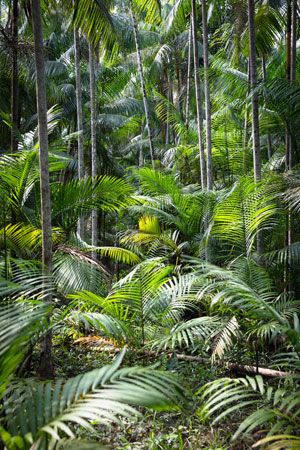
Saw palmetto refers to several species of shrubby palms native to the southern United States and the West Indies. The most common variety, Serenoa repens, is characterized by its spiny-toothed leafstalks and a creeping stem, and it is a notable component of the vegetation in the Florida Everglades.12
Beyond its botanical classification, the term also describes a preparation derived from the plant’s berrylike fruit. This extract is frequently used in dietary supplements and herbal remedies, as it is believed to have therapeutic effects on the prostate gland. Due to these properties, the plant has recently garnered scientific interest as a potential treatment for prostate cancer.21
What other plants are native to the Florida Everglades?
The Florida Everglades is a diverse ecosystem where plant life varies significantly based on elevation, water levels, and salinity. Because the region is a unique combination of marsh and swamp, it supports a wide variety of vegetation across different habitats.34
Key plants native to the Everglades include:
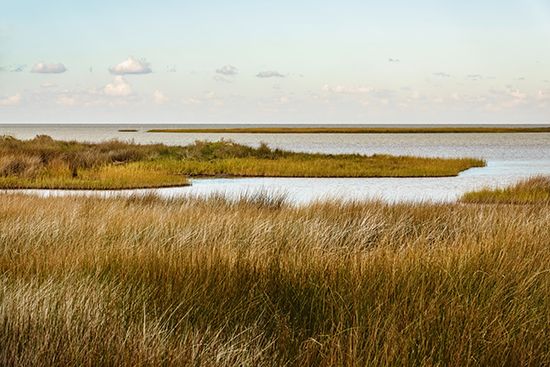
- Marsh Vegetation: The landscape is dominated by saw grass, a sedge that can grow up to 10 feet tall. In coastal prairie regions, you can find cordgrass and various salt-tolerant succulents.3
- Hardwood Hammocks: These elevated islands feature a mix of tropical and temperate trees, including mahogany, cocoplum, strangler fig, live oak, and red maple.3
- Swamp and Wetland Species: The area contains cypress and willow domes, as well as mangrove forests in tidal areas. Along the shores of Lake Okeechobee, custard apple (also known as pond apple) is found.3
- Pinelands: Dry ridges within the ecosystem are typically dominated by slash pine.3
How do herbal supplements differ from conventional medicines?
Herbal supplements and conventional medicines differ primarily in their regulatory oversight, safety testing, and intended use.
Regulatory and Safety Standards
In the United States, dietary supplements are regulated as foods rather than drugs. Unlike conventional medications, which must undergo rigorous clinical trials to prove safety and efficacy before reaching the market, supplements are not evaluated by the Food and Drug Administration for these qualities prior to sale. Manufacturers are responsible for product safety, and the FDA typically only intervenes to restrict or remove a product after evidence of harm emerges.5
Efficacy and Quality
While conventional drugs are standardized for potency and purity, herbal products often suffer from significant quality variability. Research indicates that labels may inaccurately state ingredient amounts, and some products may be contaminated with heavy metals, microbes, or even synthetic drugs. Furthermore, while some botanicals are currently being tested in clinical trials, many remain unproven for treating or preventing specific diseases.56
Risks and Interactions
It is a dangerous misconception that “natural” equates to “safe.” Herbal supplements can cause severe side effects and may interact negatively with conventional medications, potentially rendering them ineffective or increasing their toxicity.76
What is the function of the prostate gland in the human body?
The prostate gland is a chestnut-shaped reproductive organ located directly beneath the urinary bladder in males. Its primary function is to secrete fluids that are added to sperm during ejaculation to form semen.9
The prostate contributes approximately 15–30 percent of the total volume of seminal fluid. This clear, slightly acidic secretion contains several essential components that support reproductive health:910
- Enzymes: It includes protein-splitting enzymes and fibrolysin, which helps reduce blood and tissue fibers.910
- Nutrients and Minerals: The fluid contains citric acid, zinc, calcium, sodium, and potassium.910
- Function: These secretions help dilute the concentration of sperm and provide a suitable environment for them, aiding in their viability and transport.10
Because the gland surrounds the urethra, it also plays a structural role in the passage of both urine and semen.9
Sources
- Saw palmetto — Encyclopædia Britannica
- saw palmetto — Merriam-Webster
- Everglades - Natural environment — Encyclopædia Britannica
- Swamp — Encyclopædia Britannica
- dietary supplement — Encyclopædia Britannica
- clinical trial — Encyclopædia Britannica
- nutritional disease - Food - drug interactions — Encyclopædia Britannica
- nutritional disease - Botanicals and functional foods — Encyclopædia Britannica
- prostate gland — Encyclopædia Britannica
- prostatic disorder — Encyclopædia Britannica
- semen — Encyclopædia Britannica
Published on · 3 min read