Royal Poinciana
The royal poinciana (Delonix regia) is a visually striking flowering tree belonging to the pea family (Fabaceae). Native to Madagascar, it is widely…
What is royal poinciana?
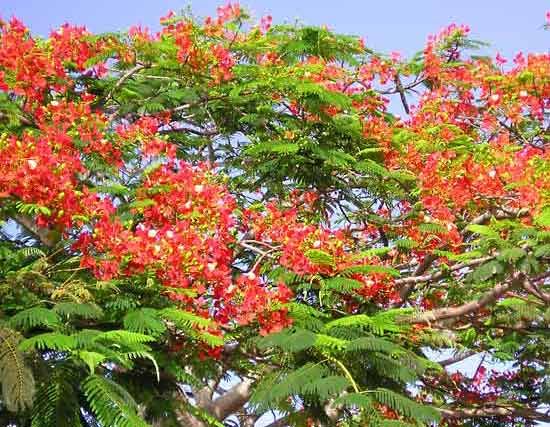
The royal poinciana (Delonix regia) is a visually striking flowering tree belonging to the pea family (Fabaceae). Native to Madagascar, it is widely cultivated in frost-free climates for its ornamental value, specifically its large, vibrant scarlet to orange flowers.12
This tree is known for its rapid growth, typically reaching heights between 6 and 12 meters (20 to 40 feet). It features large, compound leaves that can grow up to 60 cm (2 feet) in length and produces flat, woody legume fruits of a similar size. Due to its dramatic appearance, it is also commonly referred to as the flamboyant or peacock flower.12
What are some other plants in the pea family?
The Fabaceae family, commonly known as the pea or legume family, is one of the largest and most economically significant plant families, comprising nearly 20,000 species of trees, shrubs, vines, and herbs. These plants are vital for food production, industrial materials, and ornamental landscaping.34
Beyond the common garden pea, the family includes a diverse array of plants categorized by their primary uses:
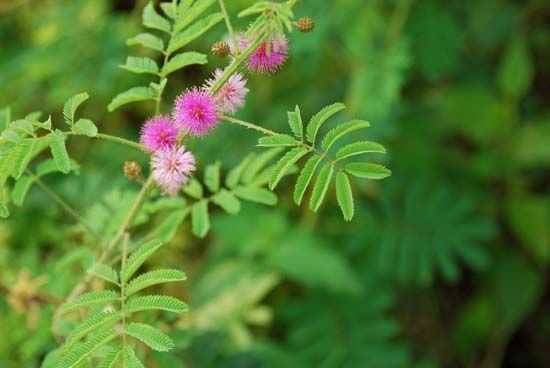
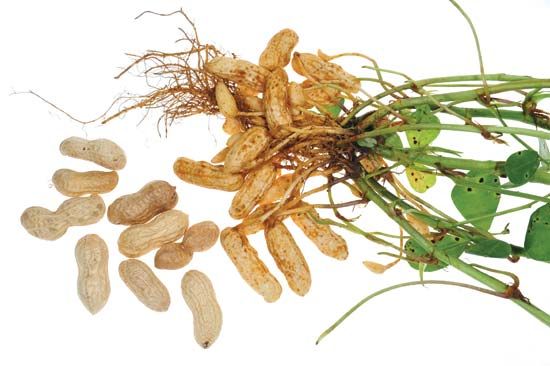
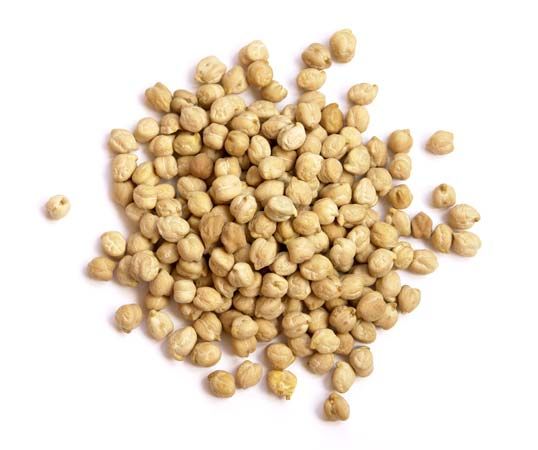
- Food Crops: This group includes staples such as soybeans, peanuts, chickpeas, lentils, common beans, and tamarind.45
- Ornamentals: Many species are prized for their aesthetic appeal, including wisteria, sweet pea, redbud, and the royal poinciana.4
- Forage and Fodder: Plants like alfalfa, clover, and lupine are essential for livestock nutrition.4
- Dyes and Industrial Uses: Some members, such as indigo and licorice, have historically been used for dyes or medicinal and flavoring purposes.4
Some species, such as kudzu and acacia, are also recognized as invasive species in various regions due to their aggressive growth habits.4
How do trees native to Madagascar adapt to different climates?
Madagascar’s flora has evolved in isolation, leading to unique adaptations across the island’s diverse climatic zones. Because the island features distinct moisture gradients—ranging from the humid east to the arid southwest—vegetation has specialized to survive in specific environments.8910
- Rainforest Adaptations: In the humid eastern region, the rainforest contains specialized flora such as dwarf palms and bamboos. These trees are generally shorter than those found in equatorial rainforests, reflecting the island’s unique ecological conditions.8
- Arid and Rain-Shadow Adaptations: The western deciduous forest exists in a rain shadow, where trees have adapted to drier conditions, with some species resembling Mediterranean oaks. In the even more arid south, plants have evolved into xerophytes—drought-resistant species that include thorn trees, giant cacti, dwarf baobab trees, and succulents like Pachypodium.811
- Geologic Influence: The long-term isolation of Madagascar has driven distinct speciation, allowing plants to develop unique traits that are not found on the African mainland.1011
What are the differences between compound and simple leaves?
The primary difference between simple and compound leaves lies in the structure of the leaf blade (lamina) relative to the petiole.
- Simple Leaves: A simple leaf consists of a single, undivided blade attached directly to the petiole. While these leaves may be lobed along their margins—such as the pinnately lobed white oak or the palmately lobed red maple—the blade remains a single continuous unit.13
- Compound Leaves: In a compound leaf, the blade is divided into two or more distinct subunits known as leaflets. These can be arranged in a palmately compound pattern, where leaflets radiate from a single point, or a pinnately compound pattern, where leaflets form along an extension of the petiole called the rachis.13
A reliable way to distinguish between a leaf and a leaflet is to check for an axillary bud. These buds are always found in the angle between the stem and the petiole (the axil) of a leaf, but they are never present in the axils of individual leaflets.13
Sources
- royal poinciana — Encyclopædia Britannica
- royal poinciana — Merriam-Webster
- Fabaceae — Encyclopædia Britannica
- list of economically important members of the family Fabaceae — Encyclopædia Britannica
- Legume — Encyclopædia Britannica
- Fabales - Classification of Fabaceae — Encyclopædia Britannica
- Pea — Encyclopædia Britannica
- Africa - Madagascar — Encyclopædia Britannica
- Indian Ocean - Trade-winds zone — Encyclopædia Britannica
- Madagascar - Climate of Madagascar — Encyclopædia Britannica
- Africa - Geologic influences — Encyclopædia Britannica
- Madagascar - Plant and animal life — Encyclopædia Britannica
- Angiosperm - Leaves — Encyclopædia Britannica
- Tree - Ecological and evolutionary classification — Encyclopædia Britannica
Published on · 3 min read