Redonda
During the 19th and early 20th centuries, the uninhabited island of Redonda served as a site for phosphate extraction. The mineral was harvested from the…
What role did Redonda play in phosphate mining during the 19th and early 20th centuries?
During the 19th and early 20th centuries, the uninhabited island of Redonda served as a site for phosphate extraction. The mineral was harvested from the thick deposits of bird guano that covered the volcanic rock.1
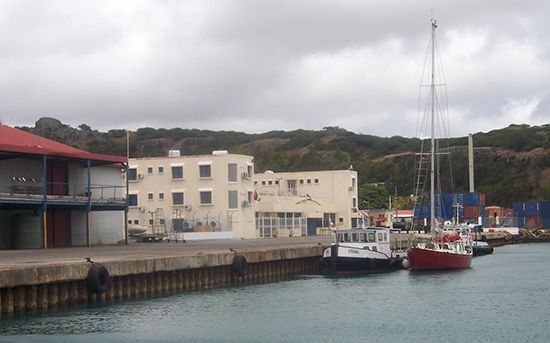
Despite the island’s challenging geography—characterized by steep cliffs and poor, unprotected anchorage—mining operations commenced in the 1860s. Laborers were brought in from the nearby island of Montserrat to conduct the work. At its peak in the 1890s, the operation produced between 3,000 and 4,000 tons of phosphate annually. These mining activities continued until the outbreak of World War I, at which point production ceased.1
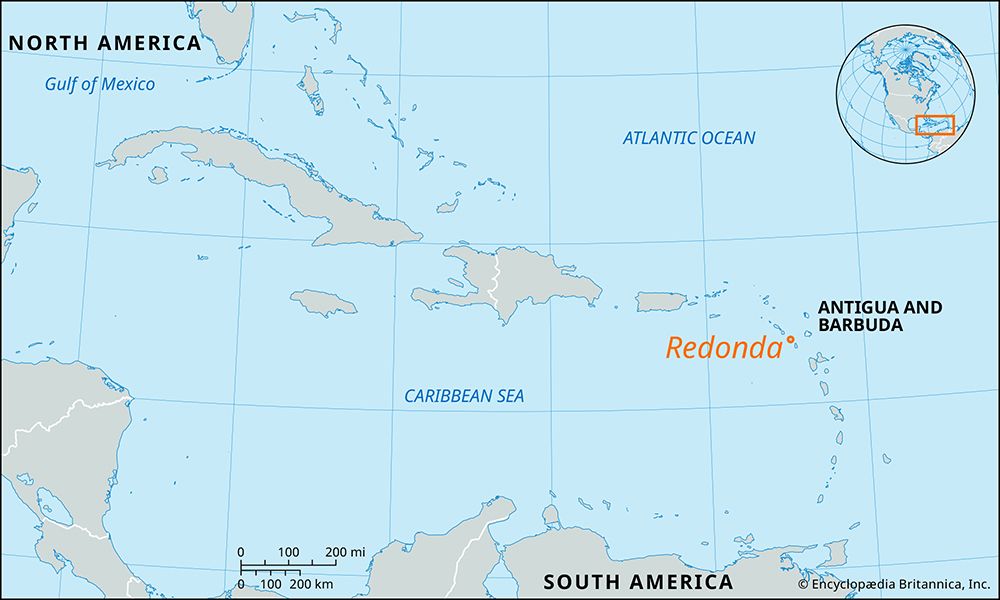
What is the geographical location and size of Redonda island?
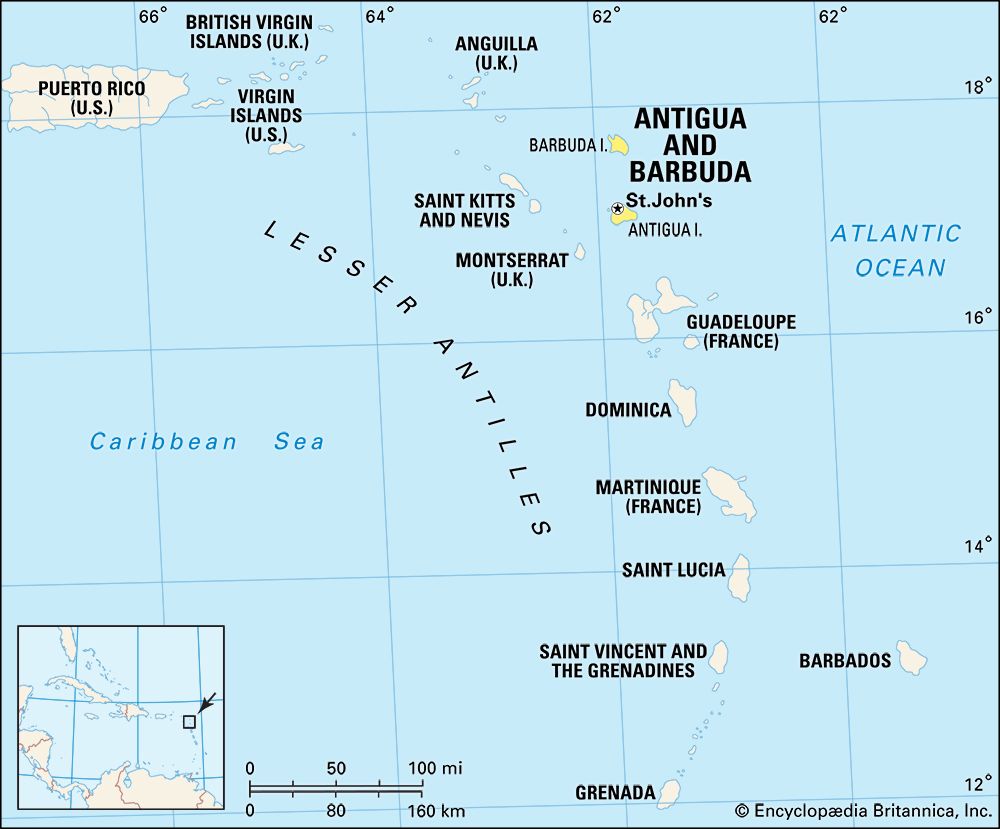
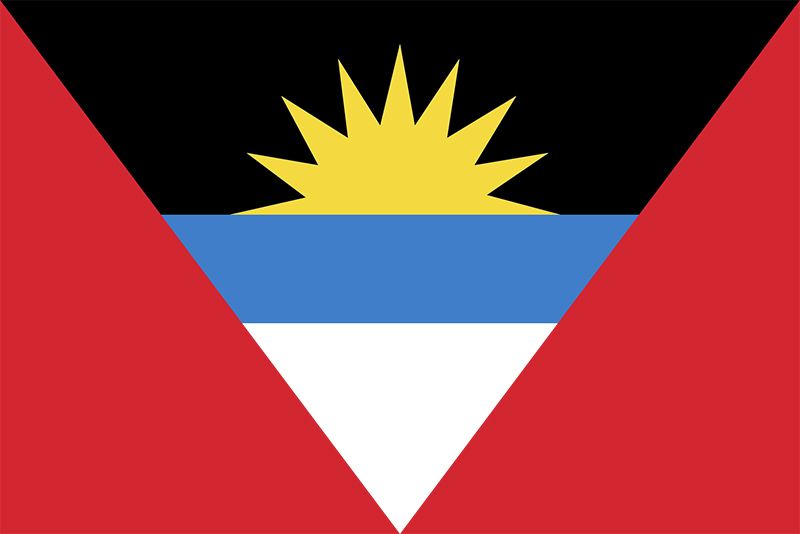
Redonda is a small, rugged island located in the eastern Caribbean Sea as part of the Lesser Antilles. It serves as the smallest of the three islands that make up the nation of Antigua and Barbuda.
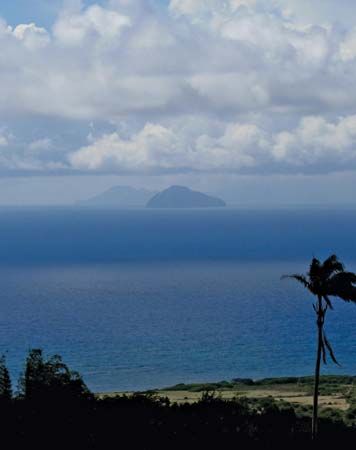
Geographically, the island is the remnant of a volcanic cone and is situated approximately 35 miles (55 km) east of Antigua. It covers an area of 0.5 square miles (1.3 square km) and features steep cliffs on all sides, rising to an elevation of nearly 1,000 feet (305 meters) above sea level.1
What is the geological origin of Redonda island?
Redonda is the remnant of a volcanic cone, which defines its rugged and steep-sided topography in the eastern Caribbean Sea. As a volcanic feature, it rises sharply from the sea to an elevation of nearly 1,000 feet (305 meters), with cliffs surrounding its entire perimeter.1
How does Redonda’s climate differ from other Caribbean islands?
Redonda shares the general tropical maritime climate characteristic of the West Indies, which features high humidity and consistent temperatures ranging from the mid-80s °F (upper 20s °C) in winter to the upper 80s °F (low 30s °C) in summer.1
While specific microclimatic data for Redonda is limited, its climate is fundamentally similar to that of its parent nation, Antigua and Barbuda. Like other islands in the region, it is subject to the influence of the northeast trade winds and the seasonal risk of hurricanes, which are most frequent between June and November.23
However, Redonda differs from many other Caribbean islands due to its extreme physical geography. As a small, uninhabited volcanic rock with steep cliffs rising 1,000 feet (305 meters) above sea level, it lacks the varied ecosystems, forests, or low-lying plains found on larger islands. Its rugged, exposed nature and lack of protected anchorage make it particularly susceptible to the prevailing winds and sea swells, distinguishing its environmental experience from the more sheltered or diverse topographies of its neighbors.42
Sources
- Redonda — Encyclopædia Britannica
- Caribbean Sea - Climate — Encyclopædia Britannica
- West Indies: Top Questions — Encyclopædia Britannica
- Antigua and Barbuda — Encyclopædia Britannica
Published on · 2 min read