Redstart
The term "redstart" refers to two distinct groups of birds that share similar behaviors and naming conventions but belong to different families. Old World…
What are the key characteristics that distinguish redstarts from other bird species?
The term “redstart” refers to two distinct groups of birds that share similar behaviors and naming conventions but belong to different families. Old World redstarts belong to the genus Phoenicurus (family Muscicapidae), while New World redstarts are wood warblers (family Parulidae).1
Key characteristics that distinguish these birds include:
- Etymology and Behavior: The name “redstart” is derived from the Middle English stert, meaning “tail,” reflecting their habit of constantly flirting or shivering their tails.1
- Foraging Technique: Many redstarts are known for “flashing” behavior. They use sudden movements of their wings and tail feathers to shock insects into revealing themselves on branches or in the air, allowing the birds to pluck them off.12
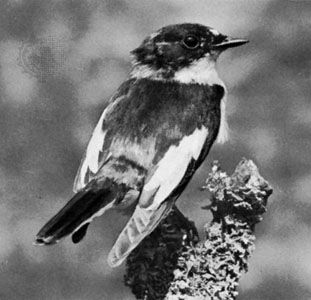
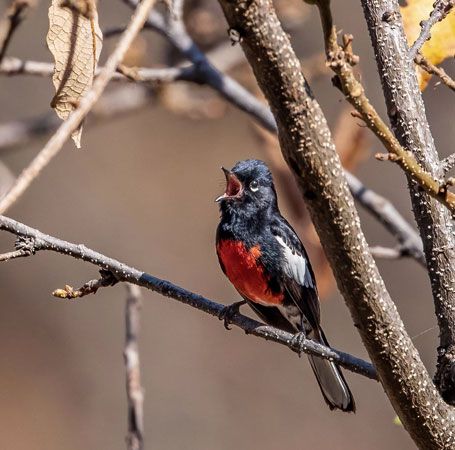
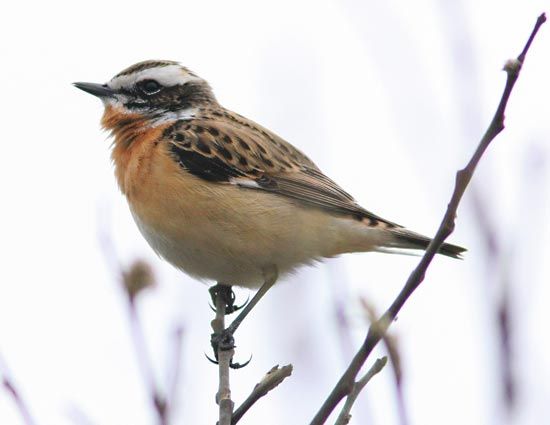
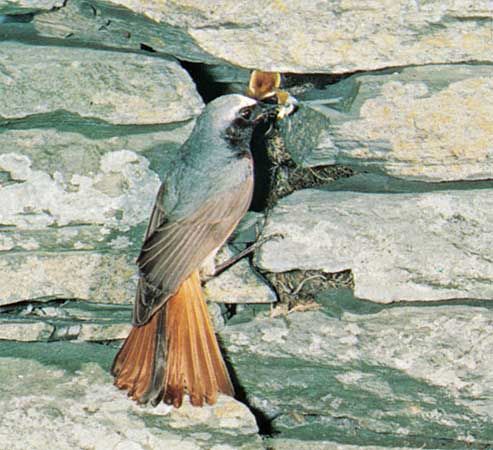
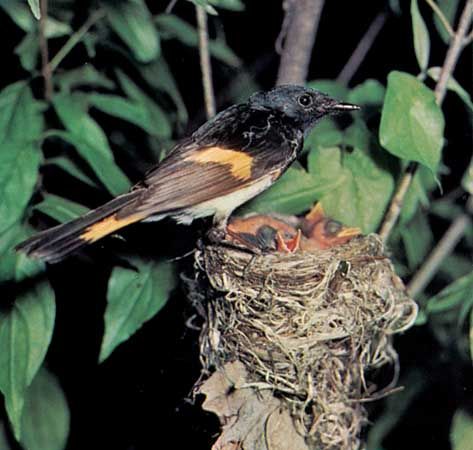
- Appearance: Old World redstarts are generally gray with black faces and reddish breasts. New World species, such as the American redstart and painted redstart, are often characterized by striking black, white, and red-orange plumage.12
- Sexual Dimorphism: While many songbirds exhibit significant differences between sexes, male and female painted redstarts appear very similar.2
How many species of redstarts are there, and where are they typically found?
The term “redstart” encompasses two distinct groups of birds, totaling approximately 23 species, which are found across different regions of the world.1
Old World Redstarts
There are about 11 species of Old World redstarts belonging to the genus Phoenicurus (family Muscicapidae). These birds are typically found across temperate Eurasia.1
New World Redstarts
There are about a dozen species of New World redstarts, which are wood warblers in the family Parulidae. Their distribution includes:1
- American Redstart: Breeds from Canada to the southern United States and winters in tropical America.1
- Painted Redstart and related species: The painted redstart is found from the southwestern United States south to Nicaragua. It is part of a group of 10 tropical species within the genus Myioborus.12
How do male and female redstarts differ in appearance, and why is this important?
In many bird species, males and females exhibit striking physical differences, a phenomenon known as sexual dimorphism. While males are often larger, stronger, or more brightly colored to attract mates, these traits can also increase their visibility to predators.3
However, not all redstarts follow this pattern. For instance, male and female painted redstarts appear very similar, with males being only marginally larger than females on average.4
The importance of these physical traits is rooted in the theory of sexual selection, first proposed by Charles Darwin. This theory suggests that conspicuous physical traits—such as vibrant plumage or increased size—evolve because they grant individuals greater success in securing mates. Whether through female preference for specific traits or male-to-male competition for dominance, these characteristics enhance an individual’s reproductive fitness, which can outweigh the survival risks associated with being more conspicuous in the environment.3
What is the origin of the name ‘redstart’ and what does it mean?
The name “redstart” is derived from two components: the color “red” and the obsolete word “start,” which means “tail” or “handle”. The term refers to the distinctive reddish-brown or red-orange coloration found on the tails of these birds.71
The name first appeared in the English language around 1553. It is particularly descriptive of the Old World redstarts, which are known for their habit of constantly shivering or “flirting” their tails. While the name originated with the Old World species, it was later applied to New World wood warblers that exhibit a vaguely similar appearance and behavior, such as the American redstart, which features prominent red markings on its wings and tail.71
Sources
- Redstart — Encyclopædia Britannica
- Painted redstart — Encyclopædia Britannica
- Painted redstart: Top Questions — Encyclopædia Britannica
- sexual selection — Encyclopædia Britannica
- Integument - Birds — Encyclopædia Britannica
- coloration - Physiological functions — Encyclopædia Britannica
- redstart — Merriam-Webster
Published on · 3 min read