Whitethroat
The whitethroat (Sylvia communis) is a typical Old World warbler belonging to the family Sylviidae. Measuring approximately 14 cm (5 1/2 inches) in length…
What is Whitethroat?
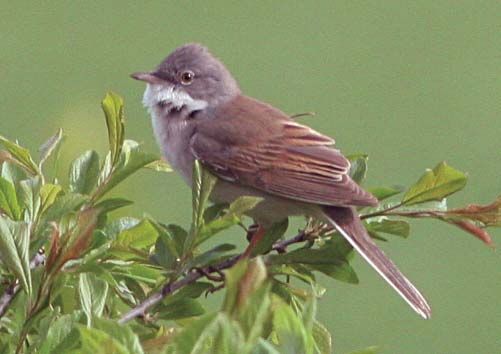
The whitethroat (Sylvia communis) is a typical Old World warbler belonging to the family Sylviidae. Measuring approximately 14 cm (5 1/2 inches) in length, this bird is characterized by red-brown wing patches and a long, white-edged tail. Males are distinguished by a gray cap and a white throat.1
These birds breed in western Eurasia and northwestern Africa, spending their winters in Africa and India. They are known for singing beautifully in woodland borders and hedgerows.1
Physiologically, the whitethroat undergoes significant metabolic changes to prepare for migration, including the accumulation of fat in its body tissues. Its weight fluctuates throughout the year, increasing from an average of 12–13 grams during the breeding season to 20–24 grams in the winter. These changes are regulated by the endocrine system, particularly the pituitary gland and thyroid gland.2
How do birds store fat to prepare for long-distance migration?
To prepare for long-distance migration, birds undergo significant physiological changes that allow them to accumulate fat in their body tissues, which serves as a vital energy reserve for their journey.32
This process is primarily regulated by the endocrine system, specifically the pituitary gland, which acts as a command center. As days shorten in the autumn, the pituitary gland responds to these environmental cues by secreting hormones that alter the bird’s metabolism. These hormonal signals trigger an increase in food consumption and the efficient storage of fat.32
The thyroid gland also plays a key role in controlling these metabolic shifts, which are specifically correlated with migratory activity. For example, the whitethroat significantly increases its body mass—often nearly doubling its weight—to fuel its flight. While the pituitary gland prepares the bird for the physical demands of migration, the actual initiation of the flight is often triggered by favorable ecological conditions, such as weather patterns and food availability.2
What are some other types of Old World warblers?
The family Sylviidae comprises nearly 350 species of Old World warblers. These birds are generally small, active insect-eaters found across Europe, Asia, Africa, and Australia. While they are often drab in color, they are recognized for their diverse behaviors and vocalizations.
Some notable types of Old World warblers include:
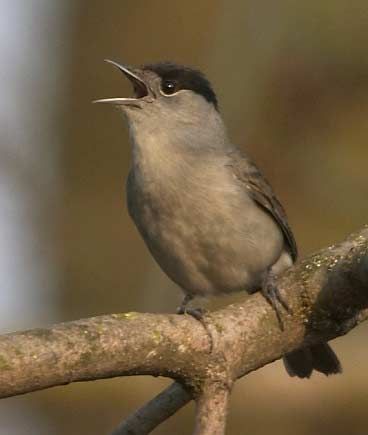
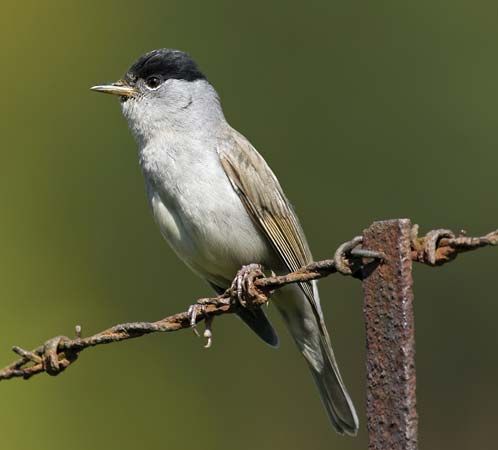
- Sylvia species: This genus includes several well-known European birds, such as the blackcap (Sylvia atricapilla), the whitethroat (S. communis), and the garden warbler (S. borin).56
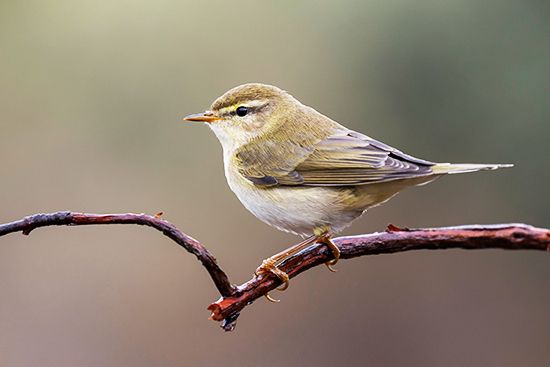
- Phylloscopus species: A prominent example is the chiffchaff (Phylloscopus collybita).5
- Reed, bush, and swamp warblers: These birds, belonging to genera such as Acrocephalus, Bradypterus, Calamocichla, and Cettia, are typically brown-plumaged and known for their harsh voices.5
- Specialized groups: Other well-known genera include the cisticola (fantail warblers), prinia (longtail warblers), and the tailorbirds (Orthotomus), which are famous for sewing leaves together to create their nests.5
How does the pituitary gland regulate bird migration?
The pituitary gland acts as a command center for bird migration, regulating the physiological changes necessary for a bird to undertake its journey. Located in the lower part of the brain, the gland responds to environmental cues—most notably variations in day length—by secreting hormones that alter the bird’s metabolism.32
These hormonal signals trigger several critical preparatory processes:
- Metabolic shifts: The pituitary influences metabolic patterns, including the accumulation of fat in body tissues, which serves as essential fuel for long-distance flight.32
- Endocrine coordination: It governs the development of other glands, such as the thyroid gland, which further coordinates the physiological state required for migratory activity.2
- Preparation vs. Initiation: While the pituitary gland prepares the bird physiologically, it does not trigger the departure itself. The actual start of migration is typically initiated by favorable ecological conditions, such as food availability and specific weather patterns.32
Sources
- Whitethroat — Encyclopædia Britannica
- Migration - Physiological stimulus of migration — Encyclopædia Britannica
- How do birds know when to fly south? — Encyclopædia Britannica
- Migration - Modes of migration — Encyclopædia Britannica
- Warbler — Encyclopædia Britannica
- Sylviidae — Encyclopædia Britannica
- Photoperiodism — Encyclopædia Britannica
- Animal reproductive system - Role of gonads in hormone cycles — Encyclopædia Britannica
Published on · 3 min read