Ecology
Human activities exert a profound and often detrimental influence on ecological systems worldwide. This impact is characterized by the simplification and…
How do human activities impact ecological systems?
Human activities exert a profound and often detrimental influence on ecological systems worldwide. This impact is characterized by the simplification and impoverishment of natural communities, which systematically reduces the capacity of Earth to support diverse life forms.1
Key drivers of ecological disruption include:
- Habitat Loss: Through deforestation, agriculture, and urban development, humans reduce or destroy the space necessary for species to survive. This includes habitat destruction, fragmentation, and degradation, which are leading causes of biodiversity loss.2
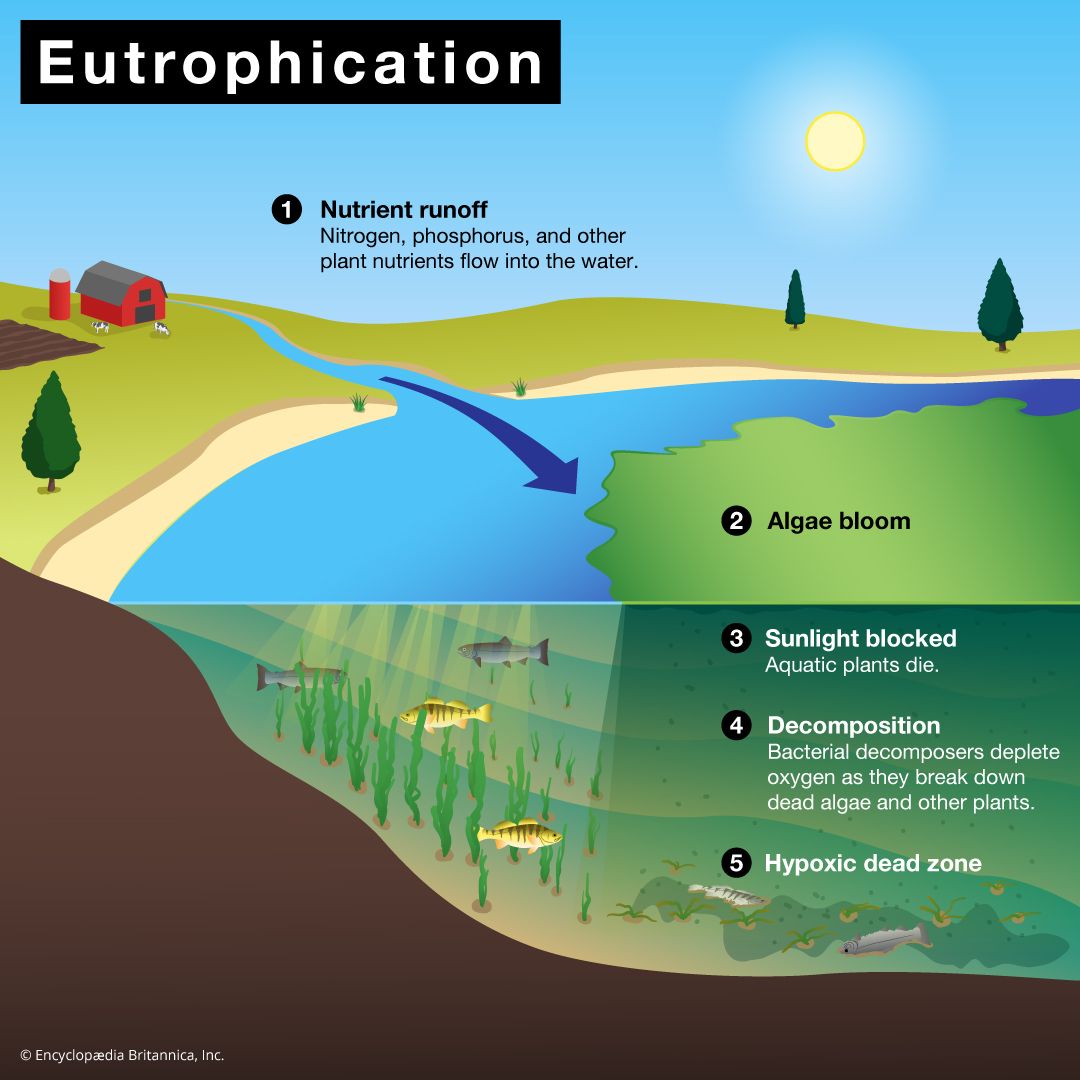
- Pollution: The discharge of industrial toxins, pesticides, and fertilizers alters the chemistry of land and water. For example, eutrophication—caused by nutrient runoff—depletes oxygen in aquatic systems, often killing native species.132
- Invasive Species: Global commerce often transports organisms to new habitats where they lack natural predators, allowing them to outcompete or displace native species.4
- Overharvesting: Exploiting resources faster than they can recover disrupts food chains and can lead to localized extinctions.5
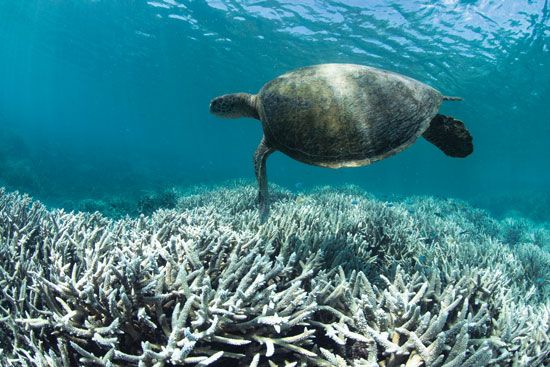
- Climate Change: Human-induced warming alters seasonal processes and geographic ranges, placing species at increased risk of extinction and threatening fragile ecosystems like coral reefs.6

What is ecology and why is it important?
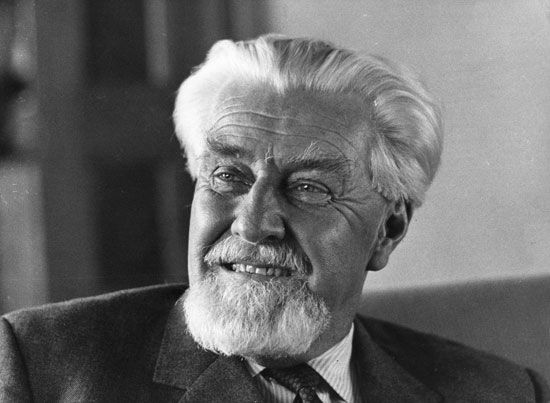
Ecology is the scientific study of the relationships between organisms and their environment, including both their physical surroundings and other living beings. The term, derived from the Greek word oikos (meaning “house” or “place to live”), was coined by zoologist Ernst Haeckel to describe how animals interact with their organic and inorganic environments.89
Why Ecology Is Important
Ecology is essential because it provides the framework for understanding the complex systems—or ecosystems—that sustain life on Earth. Its importance is highlighted by several critical factors:8
- Addressing Global Challenges: Many of today’s most pressing issues, such as environmental pollution, global warming, food scarcity, and the extinction of species, are fundamentally ecological problems.8
- Managing Ecosystem Services: Ecosystems provide vital benefits to humanity, known as ecosystem services, including clean water, crop pollination, and climate mediation. Understanding ecology allows us to manage these resources sustainably rather than depleting them.1011
- Promoting Resilience: By studying ecological resilience, scientists can identify how systems recover from disturbances like wildfires or droughts, helping to prevent systemic collapse and protect human welfare.10
What is the concept of ecological succession?
Ecological succession is the process by which the structure of a biological community evolves over time through a partially predictable sequence of species changes. This progression occurs as species modify their environment—such as by altering soil composition or light levels—making it more suitable for other species to thrive and eventually replace them.14
Ecologists distinguish between two primary types of succession:
- Primary succession: Occurs in essentially lifeless areas where soil is absent or incapable of sustaining life, such as on lava flows, sand dunes, or rocks exposed by retreating glaciers.1415
- Secondary succession: Occurs in areas where a previous community has been removed by a disturbance—such as a wildfire, flood, or human activity—but where the soil and some nutrients remain.1415
In both cases, pioneer species are the first to colonize the area. Over time, these are replaced by intermediate species until the community may reach a climax community, a relatively stable state of equilibrium.161417
What is biodiversity and why is it crucial in ecology?
Biodiversity, or biological diversity, refers to the variety of life found in a specific location or across the entire planet. It is a multifaceted concept that encompasses three primary levels: the variety of species (often measured as species richness), the genetic diversity within those species, and the variety of ecosystems that these species create and inhabit.181920
Why Biodiversity Is Crucial
Biodiversity is fundamental to the health and stability of the natural world. Its importance in ecology is demonstrated by several key functions:
- Ecosystem Resilience: Diverse communities are more stable and better equipped to recover from disturbances, such as droughts or wildfires. Species-rich environments maintain higher productivity and are more resistant to the negative impacts of invasive species.2122
- Ecosystem Services: Biodiversity supports essential services that sustain life, including the maintenance of soil quality, water purification, and the provision of food and shade.22
- Functional Complexity: Ecosystems rely on complex interactions between species. As biodiversity declines, the roles once performed by multiple interacting species are lost, which can lead to ecosystem destabilization and, eventually, total collapse.22
Because human activities are currently the primary drivers of biodiversity loss, protecting existing species and their habitats is an ethical and ecological imperative to ensure the continued functioning of the biosphere.2322
Sources
- invasive species — Encyclopædia Britannica
- ecology - Areas of study — Encyclopædia Britannica
- Plant - Changes in biosystems: pollution — Encyclopædia Britannica
- hydrosphere - Impact of human activities on the hydrosphere — Encyclopædia Britannica
- overharvesting — Encyclopædia Britannica
- habitat loss — Encyclopædia Britannica
- Global warming - Environmental consequences of global warming — Encyclopædia Britannica
- ecology — Encyclopædia Britannica
- Zoology - Ecology — Encyclopædia Britannica
- Anthropology - Environmental and ecological studies in anthropology — Encyclopædia Britannica
- ecological resilience — Encyclopædia Britannica
- Plant - Conservation — Encyclopædia Britannica
- ecosystem services — Encyclopædia Britannica
- ecological succession — Encyclopædia Britannica
- ecological succession: Top Questions — Encyclopædia Britannica
- secondary succession — Encyclopædia Britannica
- pioneer species — Encyclopædia Britannica
- biodiversity: Top Questions — Encyclopædia Britannica
- endangered species - Human beings and endangered species — Encyclopædia Britannica
- biodiversity - Measuring biodiversity — Encyclopædia Britannica
- community ecology - Community equilibrium and species diversity — Encyclopædia Britannica
- biodiversity loss - Ecological effects — Encyclopædia Britannica
- biodiversity — Encyclopædia Britannica
Published on · 4 min read