Rhône River
The Rhône River is a major European waterway flowing through Switzerland and France to the Mediterranean Sea. Spanning 505 miles (813 km), its course is…
What is the geographical location and course of the Rhône River?
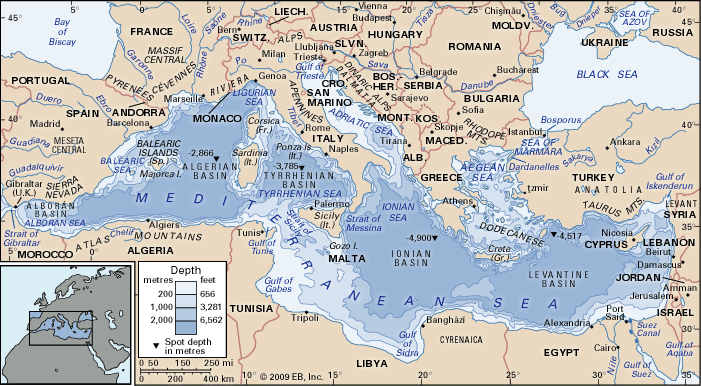
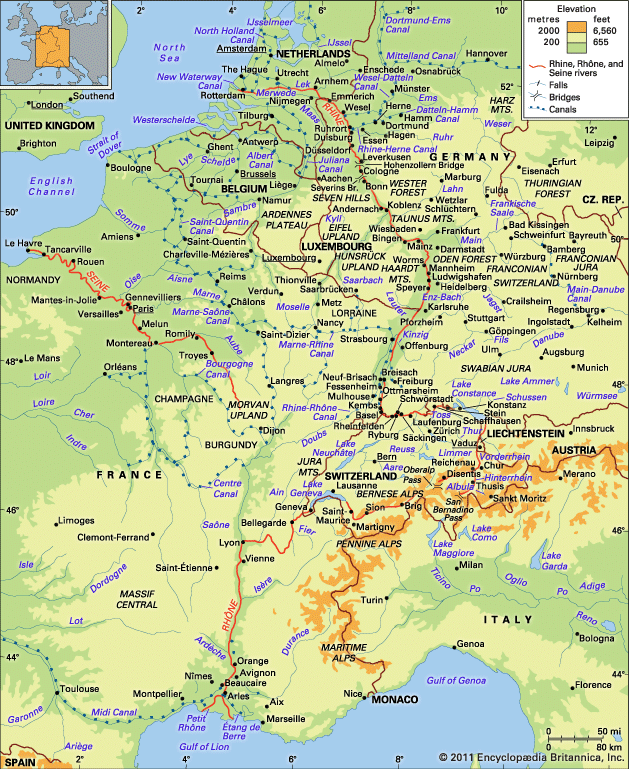
The Rhône River is a major European waterway flowing through Switzerland and France to the Mediterranean Sea. Spanning 505 miles (813 km), its course is divided into three distinct sectors.1
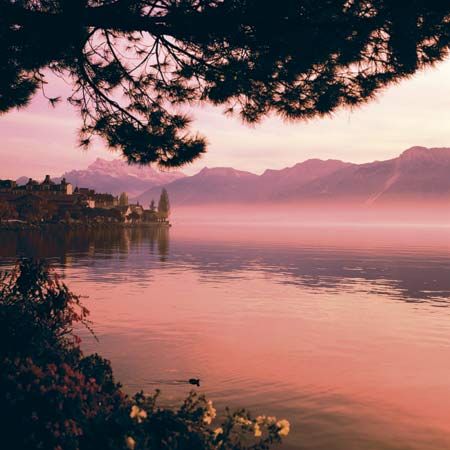
- Alpine Sector: The river originates from the Rhône Glacier in the Swiss Alps. It flows through high mountain valleys and gorges before entering Lake Geneva.2
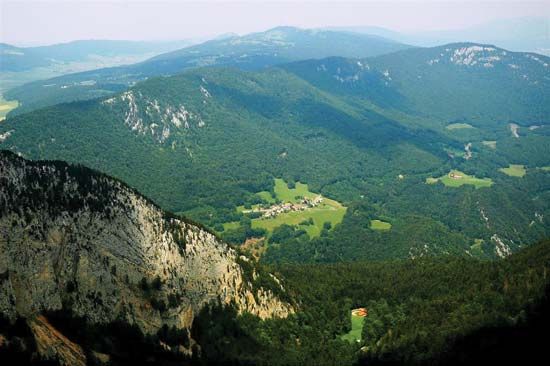
- Jura Sector: Leaving the lake, the river navigates a complex, zigzagging path through the Jura Mountains, passing through deep valleys and glacier-excavated basins toward the city of Lyon.2
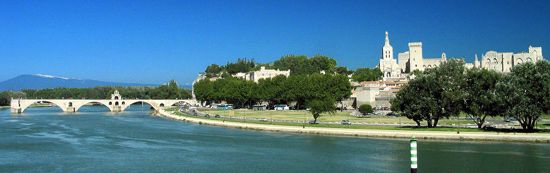
- Lower Rhône Valley: From Lyon, the river flows south through a broad trough between the Massif Central and the Alps. It eventually reaches Arles, where it forms a delta that splits into the Grand and Petit Rhône, enclosing the Camargue region before emptying into the Mediterranean.2
What are the major tributaries of the Rhône River, and how do they contribute to its flow?
The Rhône River’s flow is defined by its diverse tributaries, which provide a remarkably ample and consistent volume of water throughout the year.32
Major Tributaries and Their Contributions
- Saône: Joining the Rhône at Lyon, the Saône is a critical tributary that significantly modifies the river’s flow regime. While the Rhône is heavily influenced by Alpine snowmelt, the Saône reaches its maximum flow in January, helping to balance the river’s volume during seasons when Alpine runoff is lower.32
- Isère: A powerful Alpine tributary, the Isère contributes significantly to the Rhône’s volume and has a major impact on riverbed deposits. Along with the Rhône, it experiences a late spring and early summer peak due to the melting of snow and ice.342
- Durance: Joining the left bank in the lower valley, the Durance is one of the most important tributaries regarding water volume and sediment transport. Its flow, influenced by fall-winter rainfall, helps maintain the river’s ample volume in the Mediterranean south.42
- Other Tributaries: The Arve joins near Geneva, bringing glacial waters from Mont Blanc. Other notable contributors include the Ardèche, which is known for formidable flood volumes, as well as the Ain, Fier, and Guiers.4
How does the Rhône River contribute to hydroelectric power generation in Europe?
The Rhône River is a vital source of electricity in Europe, particularly within France, where its powerful flow and strong gradient are harnessed through extensive engineering projects.3
Hydroelectric Power Generation
The production of hydroelectricity is a prominent feature along the entire length of the river, with the most significant developments occurring in its lower reaches. Key aspects of this energy production include:5
- Dam and Canal Systems: To capture the river’s energy, a series of dam projects have been constructed, particularly between Lyon and the Mediterranean Sea. These projects have harnessed more than half of the river’s total potential hydroelectric power.5
- Infrastructure Integration: These dams have transformed the river’s course, replacing the original gradient with a succession of level reaches and locks. This infrastructure not only facilitates power generation but also serves to improve navigation along the waterway.52
- Nuclear Cooling: Beyond direct hydroelectric generation, the Rhône plays a critical role in the broader energy sector by supplying essential cooling water to a series of atomic power stations located along its banks.52
How has the Rhône River influenced the development of cities and industries along its banks?
The Rhône River has served as a vital economic artery for Switzerland and France, acting as a historical transportation funnel between northern and southern Europe. Its influence on urban and industrial development is characterized by several key factors:52
Industrial and Economic Hubs
The river’s banks have become centers for diverse industrial activities, supported by the river’s capacity for energy production and logistics:
- Energy Production: The river is a major source of hydroelectricity, with numerous dam projects along its lower reaches harnessing its power. Additionally, several nuclear power stations in France rely on the river for essential cooling.53
- Manufacturing and Refining: Significant industrial concentrations have emerged, including aluminum and chemical plants in the Swiss canton of Valais, oil refineries in Lyon, and steel mills and port facilities at Fos.5
- Agriculture: The river supports extensive irrigation for agriculture, including vineyards, fruit orchards, and the famous rice fields of the Camargue famous rice fields of the Camargue.5
Transportation and Infrastructure
Historically difficult to navigate, the river has been transformed by extensive engineering to facilitate trade:
- Navigation Improvements: Between Lyon and the Mediterranean, the river’s gradient has been regulated through a series of dams, reservoirs, and canals, creating a reliable waterway.53
- Connectivity: The Rhône valley serves as a critical corridor for road and rail networks, including tunnels beneath mountain barriers, which have historically linked the economies of Switzerland and France.5
Sources
- Rhône River — Encyclopædia Britannica
- Rhône River - Physiography — Encyclopædia Britannica
- Rhône River - Hydrology of the Rhône River — Encyclopædia Britannica
- France - The Rhône system — Encyclopædia Britannica
- Rhône River - The economy — Encyclopædia Britannica
Published on · 4 min read