Rhubarb
Rhubarb (Rheum rhabarbarum) is a hardy perennial plant native to Asia, primarily cultivated for its large, fleshy, and tart petioles (leafstalks). These…
What is rhubarb and which plant family does it belong to?
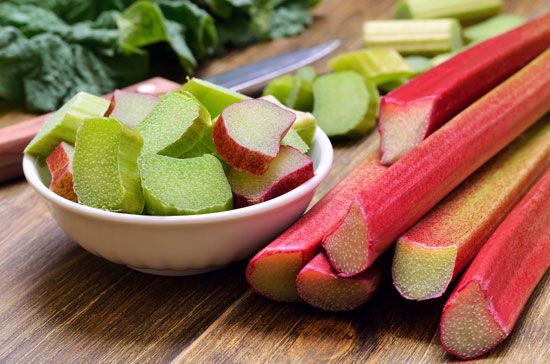
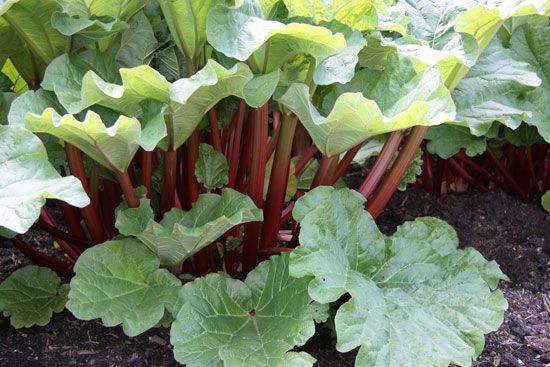
Rhubarb (Rheum rhabarbarum) is a hardy perennial plant native to Asia, primarily cultivated for its large, fleshy, and tart petioles (leafstalks). These stalks are commonly used in culinary applications such as pies, compotes, and preserves. It is important to note that while the stalks are edible, the plant’s leaves contain toxins, including oxalic acid, and should not be consumed.1
Botanically, rhubarb belongs to the Polygonaceae family, also known as the smartweed or buckwheat family. While it is often treated as a fruit in culinary contexts due to its use in desserts, it is categorized as a vegetable in agricultural practice. Additionally, certain related species, such as Rheum officinale and R. palmatum, have been used in folk medicine for their purgative properties.123
What are the main uses of rhubarb in cooking and cuisine?
Rhubarb is primarily valued in cooking for its fleshy, tart, and highly acidic leafstalks, known as petioles. Because of their sharp flavor, these stalks are rarely eaten raw and are typically prepared with sweeteners to balance their acidity.
Common culinary uses include:
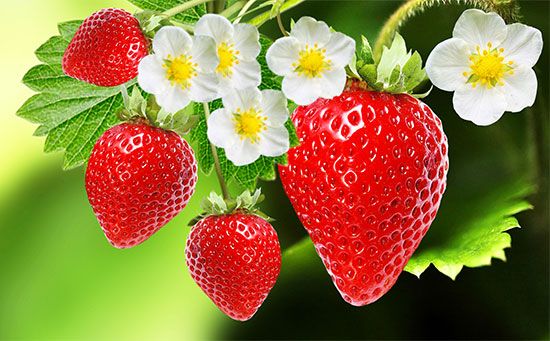
- Desserts: It is a classic ingredient in pies and tarts, frequently paired with strawberries to complement its tartness.
- Preserves and Compotes: The stalks are commonly cooked down into sweet compotes, jams, and preserves.
- Beverages: Rhubarb can serve as a base for wine or as a flavoring agent in various aperitifs.
It is essential to remember that only the leafstalks are safe for consumption. The leaves of the plant contain toxins, including oxalic acid, and must be discarded to ensure food safety.1
What parts of the rhubarb plant are edible, and are there any toxic components?
Only the fleshy, tart petioles (leafstalks) of the rhubarb plant are edible. These stalks are widely used in culinary preparations such as pies, compotes, and preserves.1
It is critical to note that the leaves of the rhubarb plant are toxic and must not be consumed. They contain harmful levels of oxalic acid, which can be dangerous if ingested. Additionally, while certain related species like Rheum officinale and R. palmatum have been used in folk medicine for their purgative properties, these roots also contain high levels of calcium oxalate, which can cause a gritty texture and are not intended for general culinary use.1
How has rhubarb been used historically in medicine and traditional practices?
Historically, the medicinal use of rhubarb has focused on the roots and rhizomes of specific species, particularly Rheum officinale and R. palmatum, rather than the edible stalks consumed in modern cuisine. These varieties have been utilized in folk medicine in China and Tibet since ancient times.1
The primary historical applications of these roots include:
- Cathartic and Laxative: The roots were valued for their strong purgative properties, which are attributed to the presence of anthracene glycosides.13
- Diuretic and Ulcer Treatment: Beyond their use as a laxative, these preparations were historically employed as diuretics and for the treatment of ulcers.3
The medicinal efficacy and distinct yellow color of these roots are derived from their chemical composition, though they also contain high levels of calcium oxalate, which provides a characteristic grittiness. It is important to distinguish these medicinal roots from the common garden rhubarb (Rheum rhabarbarum), which is cultivated primarily for its edible petioles.13
Sources
- Rhubarb — Encyclopædia Britannica
- Vegetable farming — Encyclopædia Britannica
- rhubarb — Merriam-Webster
- Indian rhubarb — Merriam-Webster
Published on · 3 min read