Can Apple Seeds Kill You?
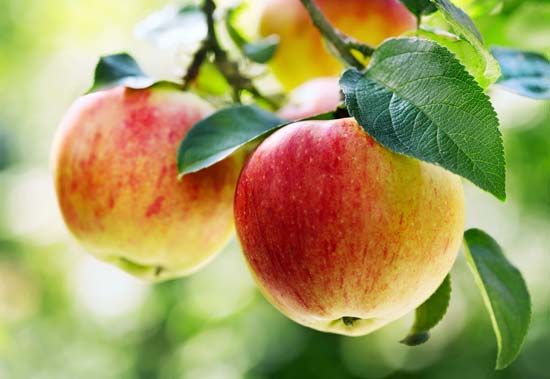
While it is a common concern, it is highly unlikely that apple seeds will kill you. Apple seeds contain amygdalin, a cyanogenic glycoside that releases…
Can Apple Seeds Kill You?
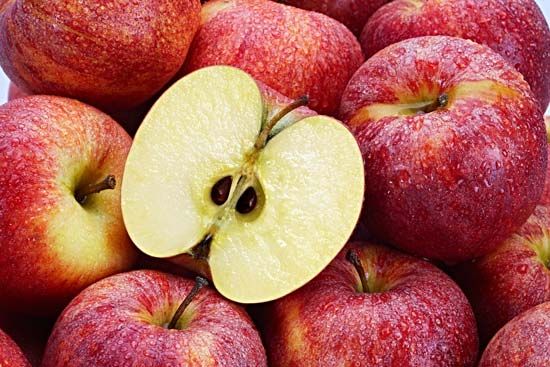
While it is a common concern, it is highly unlikely that apple seeds will kill you. Apple seeds contain amygdalin, a cyanogenic glycoside that releases hydrogen cyanide when metabolized. However, this only occurs if the seeds are thoroughly crushed or chewed; whole seeds typically pass through the digestive system intact and harmless.1
Furthermore, the human body is capable of processing small amounts of cyanide. To reach a lethal level of cyanide poisoning, an average adult would need to consume hundreds to thousands of crushed seeds—far more than what is found in a typical apple. Similar compounds are found in the seeds of other fruits like pears and cherries, as well as apricots and peaches. Unless you are consuming an extraordinary quantity of crushed seeds, accidental ingestion is not a cause for alarm.12
What other common fruits contain cyanide in their seeds?
Several common fruits and plant products contain amygdalin, a compound that can release hydrogen cyanide when the seeds or pits are crushed, chewed, or processed.
In addition to apples, the following contain these cyanogenic compounds:
- Stone Fruits: The pits of cherries (including tart cherries), peaches, and apricots (specifically their kernels) are well-known sources.134
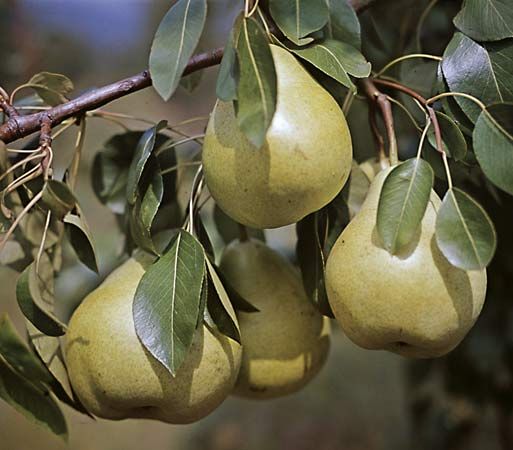
- Pears: Similar to apples, pear seeds contain amygdalin.1
- Other Plants: Cassava and bitter almonds also contain compounds that can release cyanide in the human intestine.4
It is important to note that for these fruits, the risk of cyanide poisoning from accidental ingestion is extremely low. The seeds or pits must be thoroughly broken down to release the toxin, and the human body can process small amounts of cyanide effectively. For instance, you should avoid putting whole stone fruit pits into blenders or juicers, as this process can release the cyanide, whereas an intact pit will typically pass through the digestive system harmlessly.134
How does the human body detoxify small amounts of cyanide?
The human body possesses a natural mechanism to neutralize small, sublethal doses of cyanide. When exposed to these low concentrations, the body rapidly detoxifies the substance by combining it with sulfur to form nontoxic sulfocyanides.
This process is highly efficient, and in cases of sublethal exposure, recovery is typically complete within a few hours with no permanent aftereffects. Because cyanide acts with extreme speed by inhibiting the oxidative processes of cells, this natural detoxification is only effective when the dosage remains below the threshold that causes acute cyanide poisoning. If a lethal amount is ingested or inhaled, the body’s natural defenses are overwhelmed, and immediate medical intervention with specific antidotes—such as amyl nitrite, sodium nitrite, or sodium thiosulfate—becomes necessary to prevent death.56
Are there other natural toxins found in common foods?
Yes, several common foods contain natural toxins that can pose health risks if consumed improperly or in large quantities.
Plant-Based Toxins
- Solanine: Found in green potatoes, this neurotoxin accumulates when tubers are exposed to light. Because cooking does not destroy it, green parts must be removed entirely to avoid symptoms like nausea and headaches.7
- Other Plant Toxins: Certain foods contain naturally occurring poisons, including rhubarb greens, fava beans, and akee nuts, which require specific preparation or avoidance to ensure safety.8
Fungal Toxins
- Mycotoxins: These are toxic metabolites produced by certain molds that can contaminate staples like corn, wheat, rice, and barley. Aflatoxins, for example, are potent carcinogens that can cause severe liver damage.9
- Mushroom Poisons: Distinct from mycotoxins, these are produced by large fungi and can be lethal if misidentified or ingested.89
Marine Toxins
Sources
- Can Apple Seeds Kill You? — Encyclopædia Britannica
- amygdalin — Merriam-Webster
- Tart cherry — Encyclopædia Britannica
- Agatha Christie’s Poisons - Cyanide — Encyclopædia Britannica
- cyanide poisoning — Encyclopædia Britannica
- cyanide — Encyclopædia Britannica
- Are Green Potatoes Dangerous to Eat? — Encyclopædia Britannica
- food poisoning — Encyclopædia Britannica
- mycotoxin — Encyclopædia Britannica
Published on · 3 min read