River Avon
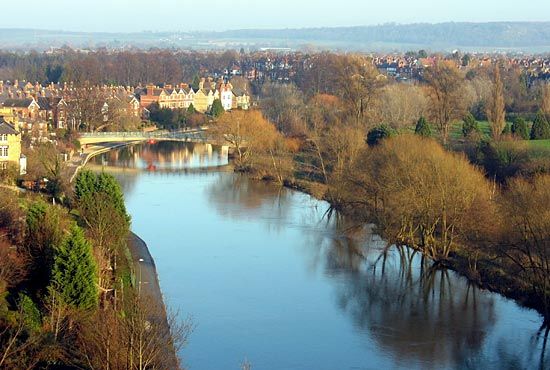
The name "Avon" is derived from a Celtic word meaning "river," which is why it is shared by several distinct waterways in Great Britain. Notable towns and…
What are some of the notable towns and cities along the River Avon’s course?
The name “Avon” is derived from a Celtic word meaning “river,” which is why it is shared by several distinct waterways in Great Britain. Notable towns and cities along these rivers include:
The Lower Avon (Western England)
This river flows through Gloucestershire, Wiltshire, and Somerset, passing several significant locations:
- Chippenham and Melksham
- Bradford-on-Avon
- Bath
- Bristol, which serves as a major port at the river’s mouth.
The Upper Avon (Central England)
This tributary of the River Severn flows through Northamptonshire, Leicestershire, Warwickshire, and Worcestershire. Key settlements along its course include:
- Rugby
- Royal Leamington Spa
- Warwick
- Stratford-upon-Avon, famous as the birthplace of William Shakespeare
- Evesham, located within the fertile Vale of Evesham.
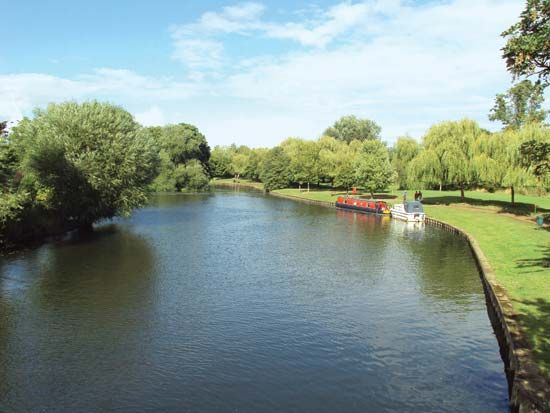
How has the River Avon been used for navigation and trade throughout history?
The various rivers named Avon have served as vital conduits for navigation and trade throughout British history, though their utility has varied significantly by region.
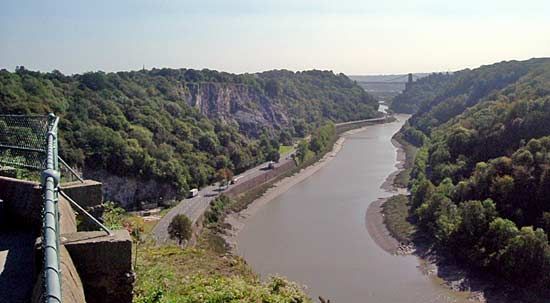
The Lower (Bristol) Avon
The Lower Avon has been central to the economic history of Bristol, which developed as a major seaport and commercial hub. By the 16th century, it was a primary center for both overseas and inland trade. To accommodate larger vessels, the river’s channel was straightened in the 19th century, and in 1809, tidal waters were diverted to create a “floating harbour” with a constant water depth. Historically, the river facilitated the import of raw wool, sugar, and tobacco, as well as the export of manufactured goods.13
The Upper (Warwickshire) Avon
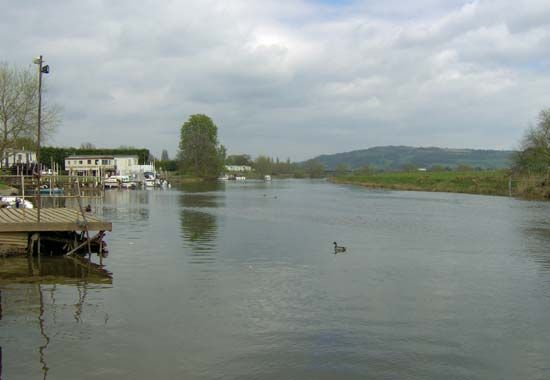
The Upper Avon historically supported some trade, though it is now primarily used for pleasure boating. While it once featured locks to assist navigation, these have since decayed.2
The Southern (East) Avon
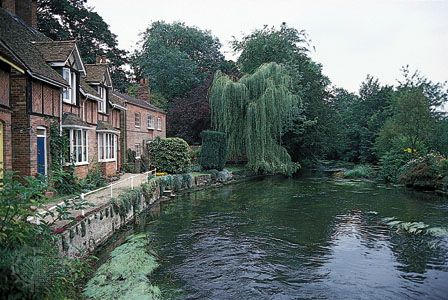
The Southern Avon, flowing toward the English Channel, was likely well-traveled in prehistoric times and remains navigable as far as Salisbury.4
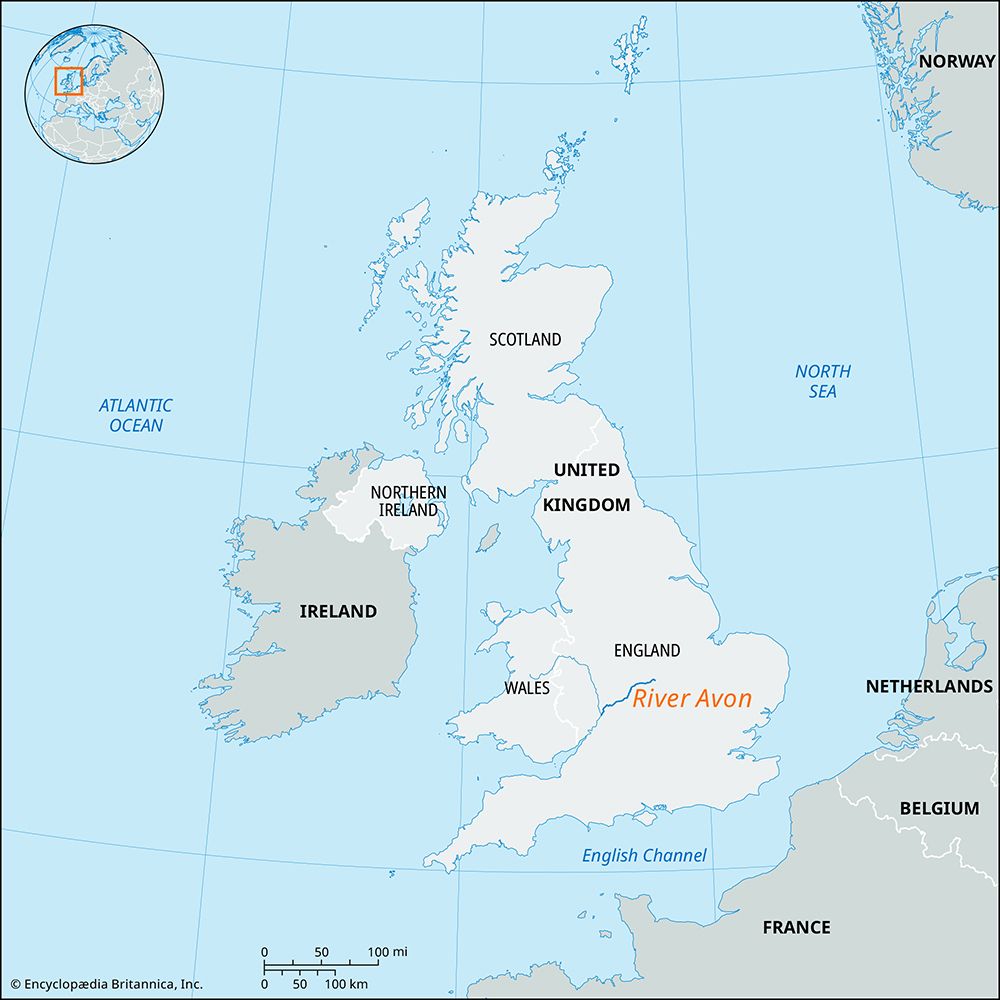
Where is the River Avon located in central England, and what are its major tributaries?
The River Avon of central England, often referred to as the Upper Avon or the Warwickshire Avon, rises near Naseby in central England. From its source, it flows generally southwestward for 96 miles (154 km) through the counties of Northamptonshire, Leicestershire, Warwickshire, and Worcestershire before joining the River Severn as an eastern tributary.1
While the provided information details the river’s course, its scenic passage through the Vale of Evesham, and its historical and literary significance, it does not explicitly list specific named tributaries for this particular section of the Avon.1
What role does the River Avon play in local agriculture and industry?
The River Avon of central England plays a significant role in the regional economy, primarily through its contribution to agriculture. The river valley, particularly as it passes through the Vale of Evesham, is characterized by fertile soil that supports extensive agriculture. This area is notably recognized as an important fruit-growing region, with the town of Evesham serving as a central agricultural hub.25
Regarding industry, the river’s historical role has shifted over time. While it previously featured locks and facilitated trade, those navigational structures have since decayed. Today, the river is no longer a major artery for industrial transport, serving instead as a resource for pleasure boating and recreation.2
Sources
- River Avon — Encyclopædia Britannica
- River Avon — Encyclopædia Britannica
- River Avon — Encyclopædia Britannica
- Bristol — Encyclopædia Britannica
- Evesham — Encyclopædia Britannica
Published on · 3 min read