River Avon
The River Avon, particularly the Lower (or Bristol) Avon, features several notable structures that are significant for their engineering and historical…
Are there any notable bridges or structures built across the River Avon, and what is their importance?
The River Avon, particularly the Lower (or Bristol) Avon, features several notable structures that are significant for their engineering and historical contributions.
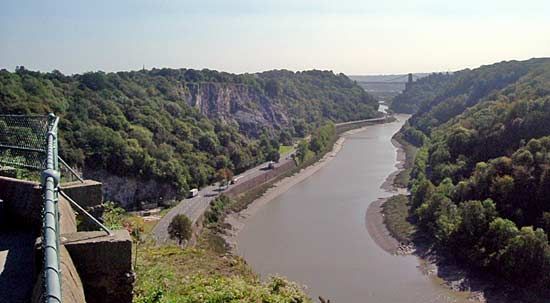
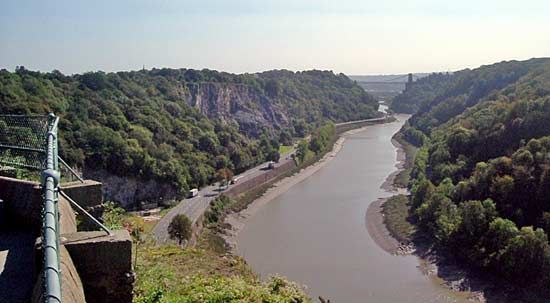
- Clifton Suspension Bridge: Located in the picturesque Avon Gorge near Bristol, this iconic suspension bridge is a landmark of 19th-century engineering, spanning the limestone ridge cut by the river.1
- Pulteney Bridge: Built between 1769 and 1774 by Robert Adam, this bridge is a key architectural feature of Bath. It was designed to connect the city with the new suburb of Bathwick, serving as a vital link across the river during the city’s Georgian expansion.2
These structures are important not only for their utility in connecting communities but also for their role in defining the landscape and architectural heritage of the regions they serve.
How has the River Avon been used for transportation and commerce throughout history?
The River Avon has served as a vital artery for transportation and commerce throughout history, though its utility has varied significantly across its different branches.
The Lower (Bristol) Avon
The Lower Avon has been central to the economic prosperity of Bristol. By the 16th century, Bristol was a major port and distribution center for both inland and overseas trade. The river facilitated the import of raw materials like wool, sugar, and tobacco, and the export of manufactured goods. In 1809, engineers diverted tidal waters to create a “floating harbour” to maintain a constant water depth for shipping. While the limitations of the Avon Gorge eventually led to a decline in trade compared to other ports, the development of dock extensions at Avonmouth and the construction of the Clifton Suspension Bridge helped sustain and encourage traffic.1
Other Branches
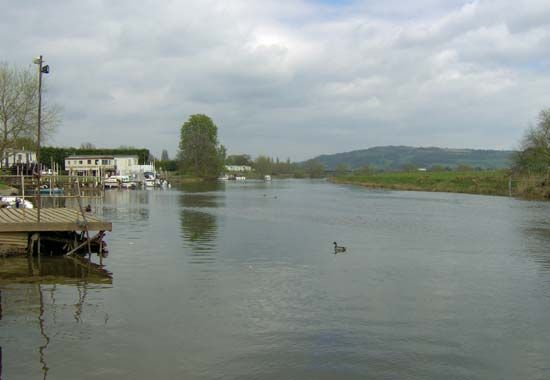
- Upper Avon: Historically used for trade, this river now primarily supports pleasure boating, though it remains a key feature of the agricultural Vale of Evesham.5
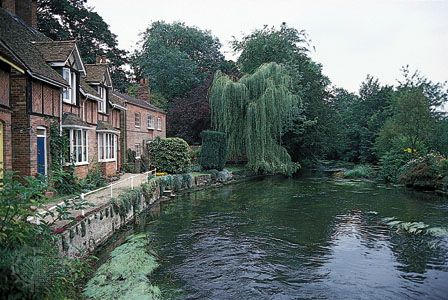
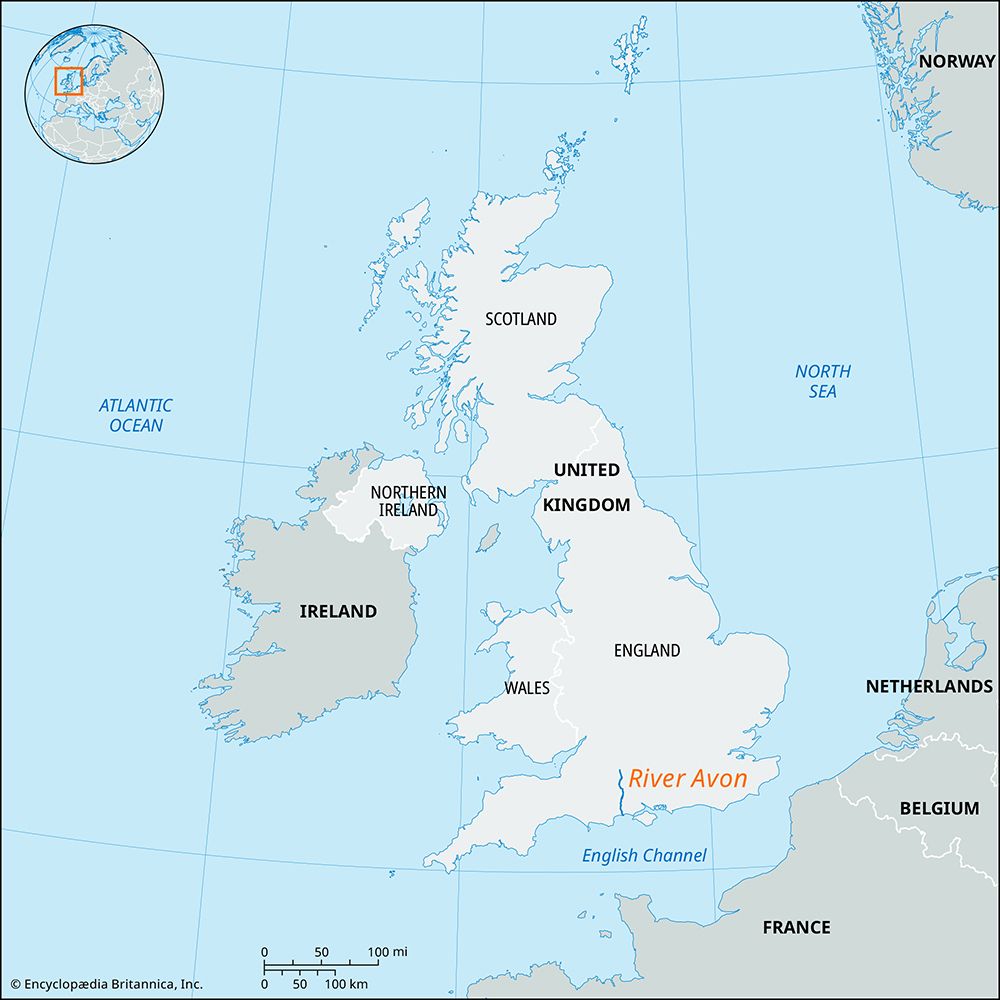
- Southern Avon: This river was likely well-traveled in prehistoric times and remains navigable as far as Salisbury.2
Are there any legends or folklore associated with the River Avon?
Sorry, the Britannica knowledge base does not contain information regarding specific legends or folklore associated with the River Avon.
While the name “Avon” is derived from a Celtic word meaning “river,” and the River Avon of Warwickshire is famously associated with the life and work of William Shakespeare, the provided records do not detail mythical or folkloric traditions linked to these waterways.12
What are the main towns and cities situated along the River Avon?
Because the name “Avon” is derived from a Celtic word meaning “river,” it is shared by several distinct waterways in Great Britain. Each has its own set of significant settlements:
The Upper (Warwickshire) Avon
This river flows through the heart of England, passing through several notable towns:
- Rugby
- Royal Leamington Spa
- Warwick
- Stratford-upon-Avon
- Evesham2
The Lower (Bristol) Avon
This river flows through the West Country, connecting several historic and industrial centers:
The Southern (East) Avon
This river flows southward toward the English Channel. While it passes through many villages, its primary urban center is:
- Salisbury1
Sources
- River Avon — Encyclopædia Britannica
- River Avon — Encyclopædia Britannica
- bridge - The Middle Ages — Encyclopædia Britannica
- Bath — Encyclopædia Britannica
- River Avon — Encyclopædia Britannica
- Bristol — Encyclopædia Britannica
- Bath and North East Somerset — Encyclopædia Britannica
Published on · 3 min read