River Avon
Several notable structures have been built across the River Avon, particularly along the stretch known as the Lower or Bristol Avon.
Are there any notable bridges or structures built across the River Avon?
Several notable structures have been built across the River Avon, particularly along the stretch known as the Lower or Bristol Avon.
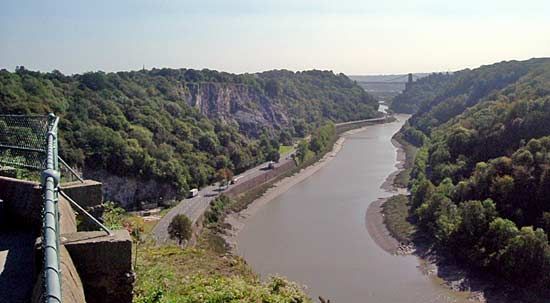
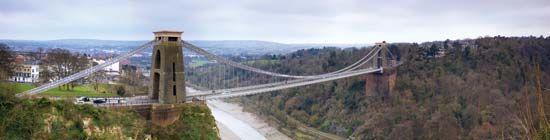
- Clifton Suspension Bridge: Located in the picturesque Avon Gorge below Bristol, this iconic suspension bridge was designed by the renowned engineer Isambard Kingdom Brunel. Completed in 1864, it serves as a significant landmark that encouraged traffic and trade in the region.12
- Pulteney Bridge: Situated in Bath, this historic bridge was built between 1769 and 1774 by the architect Robert Adam. It was designed to connect the city of Bath with the new suburb of Bathwick across the river.3
- Medieval Stone Bridge: In 1247, a stone bridge was constructed in Bristol at the site of the former confluence of the River Avon and the River Frome as part of improvements to the city’s harbour.2
What is the length of the River Avon and how does it compare to other rivers in England?
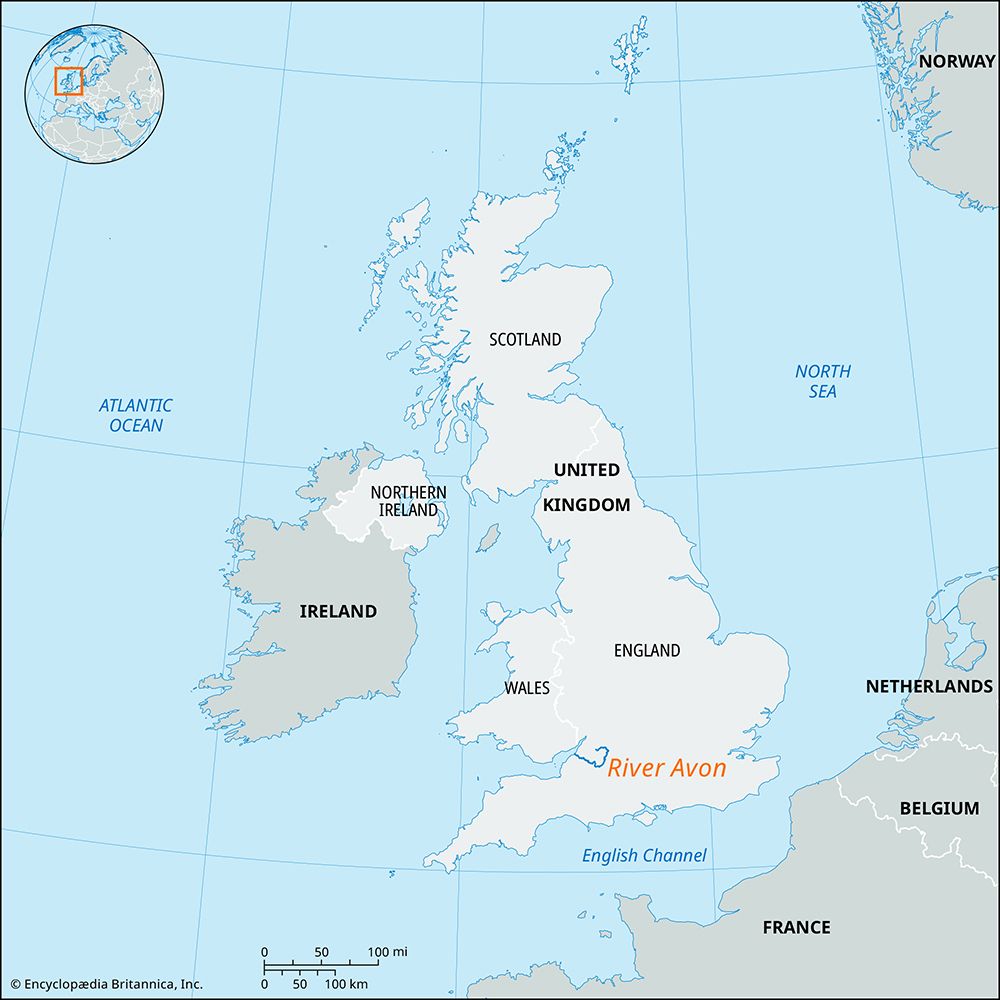
The name “Avon” is derived from a Celtic word meaning “river,” which is why it is shared by several distinct waterways in Great Britain. Because of this, there is no single “River Avon,” and their lengths vary significantly:
- The Avon of Bristol (Lower Avon): This river, which flows through Gloucestershire, Wiltshire, and Somerset, has a length of approximately 75 miles (120 km).1
- The Avon of Warwickshire (Upper Avon): This eastern tributary of the River Severn flows through Northamptonshire, Leicestershire, Warwickshire, and Worcestershire for about 96 miles (154 km).4
- The Avon of Wiltshire and Hampshire (East Avon): This river rises in Wiltshire and flows southward for 48 miles (77 km) to the English Channel.6
When compared to other major English rivers, these are relatively modest in scale. For instance, the River Thames—the longest river in England—dominates the drainage of southeastern England and possesses a much larger drainage basin of nearly 4,000 square miles. While the various Avons are significant regional features, they are smaller than the major river systems like the Trent or the Severn.78
What is the historical significance of the River Avon in English culture and literature?
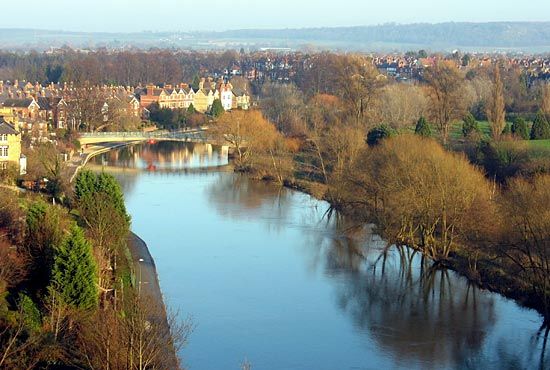
The River Avon holds significant cultural and literary importance in England, primarily due to its association with iconic figures and historic cities.
- Literary Associations: The River Avon of Warwickshire is famously linked to William Shakespeare, who was born and died in Stratford-upon-Avon. This connection has made the river an enduring symbol of English literary heritage.4
- Cultural Hubs: The Lower Avon flows through Bath, a city of immense cultural and literary significance. Bath served as a premier center for English high society in the 18th and 19th centuries, a lifestyle vividly captured in the works of authors such as Tobias Smollett, Richard Brinsley Sheridan, and Jane Austen. Austen’s novels Northanger Abbey and Persuasion provide a satirical and perceptive look at the fashionable life that flourished along the banks of the river during that era.3
The river’s name itself, derived from a Celtic word meaning “river,” reflects its ancient role as a central feature of the English landscape, connecting various historic towns and shaping the development of the regions through which it flows.41
What are some of the major tributaries of the River Avon?
Because the name “Avon” is shared by several distinct rivers in Great Britain, their tributaries differ depending on which waterway is being referenced:
- The Avon of Bristol (Lower Avon): Its primary tributaries include the Somerset Frome, which joins from the south near Bradford-on-Avon, and the Bristol Frome, which enters from the north within the city of Bristol.
- The Avon of Wiltshire and Hampshire (East Avon): This river features several notable tributaries, including the Bourne (joining from the east) and the Wylye (joining from the west) at Salisbury, as well as the Stour, which meets the river just above Christchurch.
- The Avon of Warwickshire (Upper Avon): This river is itself a major eastern tributary of the River Severn, but specific named tributaries are not highlighted in the provided records for this section of the river.
Sources
- River Avon — Encyclopædia Britannica
- Bristol — Encyclopædia Britannica
- Bath — Encyclopædia Britannica
- River Avon — Encyclopædia Britannica
- bridge - Suspension bridges — Encyclopædia Britannica
- River Avon — Encyclopædia Britannica
- England - Drainage of England — Encyclopædia Britannica
- United Kingdom - Drainage — Encyclopædia Britannica
Published on · 3 min read